How to Set Up Price and News Alerts for Your Crypto Portfolio
Checking prices by hand all day wears you down. It’s also unreliable. Here’s how I set up alerts that catch the moves and the news that actually touch my holdings.
In This Guide

Steps
Step 1: List the Specific Coins You Actually Hold
Set alerts only for what you hold or genuinely track. Alert on everything and you drown. The pings that matter get buried under noise. I keep mine to five or ten assets. A tight shortlist beats a bloated watchlist you’ll start ignoring by week two.
Step 2: Set Price Alerts at Meaningful Thresholds
Round numbers feel natural. They rarely matter to the market. Use technical levels instead — support, resistance, or your own entry and exit targets. That way you get pinged where price actually reacts. Alert at a round figure just because it looks clean and you’ll hear about levels that mean nothing while missing the ones that do.
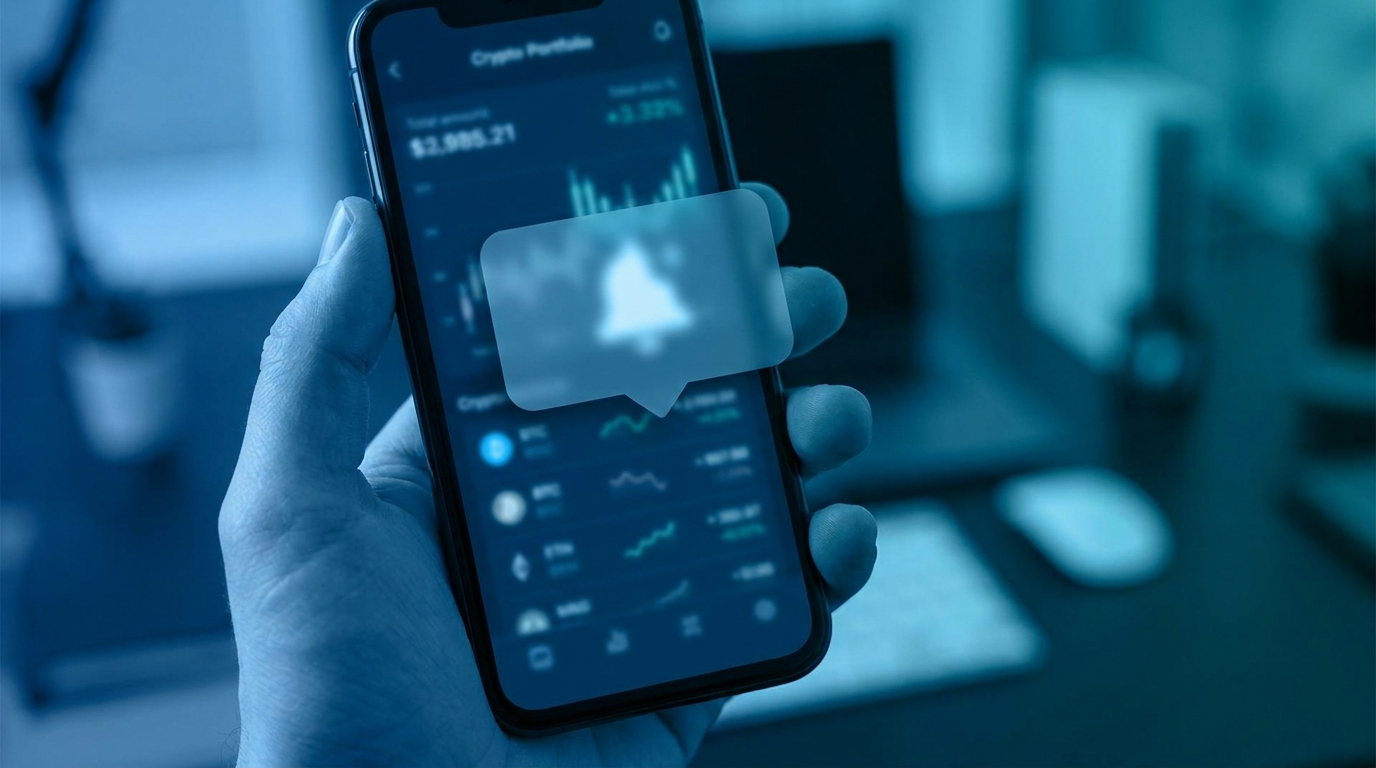
Step 3: Add News Alerts Through a Portfolio Tracking App
Most portfolio trackers can push news tied to your specific coins. Turn that on. It surfaces relevant headlines without you searching. One catch I ran into: the built-in feed tends to miss slower regulatory stories that start outside crypto media. So I don’t lean on it alone. A second, broader source fills that hole.
Step 4: Set Up a Google Alert for Regulatory Keywords
Open Google Alerts. Pair a coin’s name or ticker with words like “regulation” or “SEC.” Mainstream financial and legal outlets often break policy news before crypto-native sites catch up. This second layer closes a gap the tracker leaves open. Took me about two minutes to set up.
Step 5: Separate Alerts Into Urgent and Informational Tiers
Not every alert deserves the same volume. Send big, fast price moves to a high-priority channel. Push general news into a quieter digest you glance at once or twice a day. Treat everything as urgent and you’ll eventually mute all of it — including the alerts that mattered.
Step 6: Review and Prune Alerts Monthly
Positions change. So does the market. Once a month I drop alerts for coins I’ve sold and nudge thresholds to match where things stand now. A list I tuned six months ago drifts out of sync fast if I never look at it again.
Tips

- ✅ Keep two profiles. One for urgent, large price moves. One for general news. It stops the important pings from hiding.
- ✅ Silence alerts overnight if the constant buzz is warping your decisions when you’re tired.
- ✅ Saw a breaking regulatory headline? Check it against one more outlet before you react. Early reports on fast news are often thin or later corrected.
- ✅ Put a monthly reminder on your calendar to prune the list. Don’t trust yourself to remember.
Warnings
⚠️ Alerts tempt you to trade on every buzz. Don’t. Pair each one with a plan for what action, if any, it should trigger. ⚠️ This article is for informational purposes only and is not financial or investment advice — cryptocurrency prices are highly volatile, and any decisions based on price or news alerts should account for your own risk tolerance and, where appropriate, guidance from a licensed financial professional.
References
- Investor.gov (SEC Office of Investor Education) — general guidance on managing investment risk and avoiding reactive decisions.
- How to Research an Altcoin Project Before Investing — bluemediaworld.com
Q&A
Do free portfolio trackers offer reliable alerts?
Plenty do. Premium tiers usually buy you faster delivery and finer controls. How much that matters comes down to how time-sensitive you are.
Can too many alerts hurt my trading?
They can. Pile on too many and you either tune out the ones that count or jump at every minor blip. A focused list is the fix.
Should I act immediately on every price alert?
No. Read an alert as a nudge to look, not a signal to trade. Decide the plan for each alert type ahead of time and the reflex to react fades.
Frequently Asked Questions
What if I get the same alert on multiple devices?
Duplicate pings across several apps are the usual cause of alert fatigue. Enable alerts in one primary app and switch the others off, or choose an app that syncs read-state across your devices so a handled alert clears everywhere.
Do free alert apps lag behind paid ones?
Sometimes. Free tiers may poll prices less frequently or cap how many alerts you can set, so a fast spike can reach you a little late. For time-sensitive moves, check the app’s stated refresh interval before relying on it.
What if a news alert turns out to be a rumor?
Read any single alert as a cue to verify, not to trade. Cross-check it against an official source or the exchange’s own announcements first, since crypto news feeds can amplify unconfirmed claims quickly. This is general information, not investment advice.
This article is for informational purposes only and is not investment advice. Fact-checked based on public sources as of July 21, 2026.
Sources & Further Reading
Regulators like the SEC keep warning that crypto assets swing hard. Timely price and news alerts are what let investors move quickly when they need to.
Related reading: 2026 Best Crypto News Sources Ranked by Accuracy and How to Research an Altcoin Project Before Investing