
Where Can Digital Nomads Actually Live Cheaply in 2026?
A city can read as cheap on paper and still bleed your account dry. The two versions rarely line up, because headline cost-of-living numbers skip most of what actually leaves your bank each month — visas, insurance, coworking, the flight out when your entry stamp expires. That gap is exactly where nomad budgets quietly break.
📌 A quick word before the numbers: treat every figure here as a starting point, not a quote you can hold anyone to. Exchange rates alone can move these by 10% in a quarter.
Sources & Further Reading

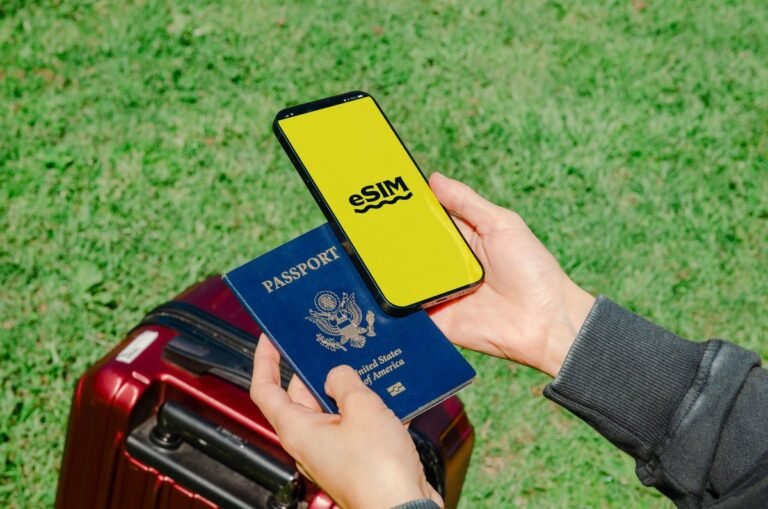
Before you relocate anywhere, the State Department’s advice is blunt: check the visa rules and passport-validity requirements for your destination first.
Related reading: Best Countries for Digital Nomad Visas
Find What You Need
- Budget City Comparison
- Hidden Costs That Change the Math
- Region Breakdown
- Sample Monthly Budget Breakdown
- Where Nomad Budgets Actually Break
- Who Should Skip the Cheapest Cities
- FAQ
- Checklist Before You Commit
Budget-Friendly Nomad Hubs

| Region | Est. Monthly Cost (Single Nomad) | Internet Reliability | Best For | Visa Situation (Aug 2026) |
|---|---|---|---|---|
| Southeast Asia (Chiang Mai, Bali) | $800-1,500 | Holds up well across the main nomad hubs | Rock-bottom living costs, plus a community that’s already there | Better than it was — Thailand’s DTV gives remote workers 180-day stays on a 5-year visa; Indonesia has a remote worker visa too. Both have financial requirements. |
| Eastern Europe (Tbilisi, Sofia) | $900-1,600 | Reliable once you’re in the city centers | A quick hop into Europe at well below Western-Europe prices | Georgia allows visa-free stays of up to a full year for many nationalities; Bulgaria is tied to EU rules |
| Latin America (Medellín, Mexico City) | $1,000-1,800 | Strong in the nomad-friendly neighborhoods | US-hour overlap and fast-growing nomad infrastructure | Moderate — dedicated nomad and temporary-resident visas keep expanding, income proof usually required |
Hidden Costs That Change the Math
Those headline numbers leave things out: visa fees, private health insurance, coworking, the occasional border run. Add them back in and a "budget" destination can quietly slide toward mid-range before you’ve unpacked.
Cross-checking Numbeo’s city estimates against what nomads actually report in community forums shows the same pattern over and over: the real all-in monthly figure lands 15-20% above the rent-and-food number the calculators quote. Numbeo itself is crowd-sourced, so treat even that baseline with some skepticism — thin data on smaller cities skews the averages. When you weigh two cities against each other, compare the all-in number, not the pretty one.
Region Breakdown: What You Actually Get
Southeast Asia’s price advantage is the real deal, and the visa story has genuinely improved. Thailand’s Destination Thailand Visa (DTV) — a 5-year, multiple-entry visa allowing 180-day stays, extendable once per entry — largely retired the old monthly visa-run ritual for remote workers who can show the roughly 500,000 THB (about $15,000) in savings it requires. That financial bar is the fine print the headlines skip: plenty of early-career nomads don’t clear it, and they’re back to tourist entries. Coworking density runs high in the established hubs either way — Chiang Mai and Canggu keep you online even on days your apartment Wi-Fi throws a tantrum.
Eastern Europe is really two experiences wearing one label. Georgia’s long-stay policy is refreshingly simple: many nationalities get up to a year visa-free, no application at all. Bulgaria leans far more on your passport and EU status. Either way, you’re a short flight from the big European cities when a client wants a face-to-face.
Latin America carries the highest cost of the three regions here. But if your clients or employer sit in the US, the time-zone overlap earns its keep — it erases the scheduling friction of working from Southeast Asia, where half your working day lands while everyone back home is asleep. That friction is real money, by the way: nomads who lose US clients over response-time complaints rarely saved enough on rent to cover the loss.
Sample Monthly Budget Breakdown
Rough numbers for one nomad in a mid-tier apartment, pinned to a Southeast Asia budget hub. Your real total will drift with exchange rates and the neighborhood you pick.
| Category | Estimated Monthly Cost |
|---|---|
| Rent (1-bedroom, nomad-friendly area) | $350-600 |
| Food (mix of cooking and eating out) | $200-350 |
| Coworking space or reliable café Wi-Fi | $60-150 |
| Private health insurance | $40-100 |
| Visa costs (fees averaged monthly) | $30-80 |
Notice what that table does. The rent line reads like the whole story, but stack the smaller rows together and coworking, insurance, and visas quietly rival what you pay for a roof. Budget the bottom rows as seriously as the top one and you’ll rarely get ambushed at month’s end.
Where Nomad Budgets Actually Break
The arrival premium. Your first month anywhere costs far more than your steady-state month — deposits, a short-term rental at tourist rates while you hunt for a real lease, a local SIM, kitchen basics. Plan on month one running 1.5-2x your target budget, and don’t judge a city until month two.
Nomad-neighborhood inflation. The districts everyone recommends — Canggu, Nimman in Chiang Mai, El Poblado in Medellín — price 30-50% above the citywide average precisely because everyone recommends them. The citywide Numbeo figure and the rent you’ll actually pay in the nomad bubble are different numbers.
Currency swings. Earn in dollars, spend in baht or pesos, and your effective cost of living moves without you touching anything. A strong local currency quarter can erase your careful 15% margin.
The insurance gamble. Skipping health insurance is the most common budget "optimization" and the single worst one. One motorbike accident in a private hospital costs more than years of premiums. If the budget only works without insurance, the budget doesn’t work.
Who Should Skip the Cheapest Cities
Cheapest-possible is the wrong optimization for some situations, honestly:
- US-hours workers with meeting-heavy jobs — Southeast Asia’s savings get eaten by 3 a.m. stand-ups. Latin America costs $200-400 more per month and pays it back in sleep.
- Anyone who can’t show visa financial requirements — if the DTV’s savings bar or a nomad visa’s income floor is out of reach, build the buffer first. Perpetual tourist-visa hopping is the stressful, expensive version of this lifestyle.
- First-time nomads on a 1-2 month trial — the arrival premium swamps the monthly savings on short stays. Pick for community and ease, not price; you can optimize costs once you know you like the life.
- Anyone whose income barely covers the budget city — arriving with no slack means one currency swing or medical bill ends the experiment. The working rule of thumb: your income should cover the all-in estimate with about a third to spare.
FAQ
Is Southeast Asia still the cheapest option in 2026?
Broadly, yes — still among the most affordable regions going. Individual cities inside it vary a lot, though, so price your specific target city rather than trusting the regional average.
Do budget destinations sacrifice internet quality?
Usually not in the established hubs; the infrastructure holds up fine. Confirm it for your exact accommodation before committing to a longer stay — ask for a speed-test screenshot before you pay a deposit. Landlords who dodge that request are answering the question.
Which of these visas is easiest to actually get?
Depends heavily on your passport and current program rules. Georgia’s year of visa-free entry is the lowest-friction option for eligible nationalities; Thailand’s DTV is generous but has a real savings requirement. Walk through our step-by-step guide to applying for a digital nomad visa before assuming.
Once you’ve settled on a region, turn it into a realistic monthly plan with our guide to budgeting your monthly expenses as a digital nomad.
Checklist Before You Commit
- ✅ Build the all-in budget: rent, food, coworking, insurance, visa fees — plus a 1.5-2x buffer for month one.
- ✅ Verify you meet the visa’s financial requirements before booking anything long-term.
- ✅ Check internet reliability on nomad community forums for your actual neighborhood, not the city as a whole.
- ✅ Price private health insurance for your age and destination — and treat it as non-negotiable.
- ✅ Confirm your visa timeline before signing long-term accommodation; processing times are all over the map.
- ✅ If the numbers only work with zero slack, pick a different city or wait a quarter. Thin margins are how nomad experiments end early.
Fact-checked based on public sources, including official visa program pages, as of August 6, 2026.