
Which K-Pop Group Should a New Fan Start With in 2026?
The fastest way into K-pop is not “listen to everything” — it’s matching one group to the music you already play, then following their next comeback in real time. 2026 happens to be an unusually good entry year: BTS returned from military service with the album ARIRANG in March and an 82-date world tour, and Stray Kids dropped THIS & THAT on August 7. Two of the biggest acts in the genre are actively promoting at the same time, which almost never happens.
📌 Related reading: apps for tracking K-pop comebacks and 4th-gen comebacks to stream this summer
Contents

- Starting Points by Music Taste
- Why 2026 Is a Good Entry Year
- Catching Up Without Burning Out
- Honest Mismatches: When to Skip a Group
- Fandom Basics New Fans Ask About
- Where New Fans Get Burned
- Checklist
- References
- FAQ
Starting Points by Taste (2026)
| If you like | Start with | Why this one | Catch-up load |
|---|---|---|---|
| Big pop hooks, Western radio | BTS (debut 2013) or TWICE (2015) | The deepest English-friendly catalogs and the most subtitled content in the genre | Heavy — 10+ years each; use a starter playlist, not chronology |
| High-energy, rap-forward intensity | Stray Kids (2018) | Self-produced by their own 3RACHA team, so the sound is consistent across eras | Moderate — THIS & THAT (Aug 2026) is a natural entry point |
| Vocals and stage performance | SEVENTEEN (2015) | 13 members split into vocal, hip-hop, and performance units — you can follow one unit first | Heavy, but unit releases make it modular |
| Sleek concepts, tight production | aespa (2020) or IVE (2021) | Short discographies, strong visual identities, quick to catch up on | Light — a weekend covers the essentials |
| Global/English-first approach | KATSEYE (2024) | Multinational group with English-language releases; no translation gap at all | Very light |
Why 2026 Is a Good Entry Year

All seven BTS members finished their military service by mid-2025, and the group’s first post-enlistment album, ARIRANG, arrived March 20, 2026 — reportedly selling close to 4 million copies on day one. First-day figures come from the label’s distributor, so treat the exact number with the usual grain of salt; the scale, though, is not in dispute. The accompanying world tour runs 82 dates into March 2027, and every announced show sold out.
What that means for a newcomer is practical, not just trivia: an enormous wave of new subtitled content, live stages, and press coverage is landing right now. Starting a legacy group during an active era is far easier than starting one during a hiatus.
Stray Kids released THIS & THAT on August 7, 2026 with a world tour attached, and the August calendar also carries comebacks from Red Velvet, NCT 127, and ENHYPEN. If you pick a group this month, odds are decent they’re actively promoting — which is exactly the situation you want.
Catching Up Without Burning Out
Start with a group’s most recent 2-3 title tracks, plus one widely recommended “starter era.” That’s it. Fan-made starter playlists on YouTube and Spotify cover the essentials in a fraction of the runtime a chronological listen demands — for a group like TWICE with a decade of releases, chronology is a genuinely bad idea for a first pass.
Variety shows matter more than newcomers expect. A member’s personality clicks in a 10-minute subtitled clip faster than it does across an hour of album cuts, which is why longtime fans keep pointing new people toward one before any deep discography dive.
The single best trick: pick one comeback cycle and follow it live — teaser photos, music video drop, the promotion run on Korean music shows after. Watching one era unfold in real time teaches you how a group actually operates in a way binge-watching old content doesn’t. With Stray Kids mid-promotion right now, this is easy to try this month.
Honest Mismatches: When to Skip a Group
Skip BTS as your first group if catalog size intimidates you. The music rewards the investment, but a 2013-to-present discography plus solo eras from all seven members is genuinely a lot, and new fans who start there sometimes bounce off the sheer volume. Start with a 2020s group, come back later.
Skip SEVENTEEN if you know you struggle to learn faces and names — thirteen members is a real onboarding cost. The unit structure softens it, but doesn’t remove it.
Skip Stray Kids if noisy, dense production isn’t your thing. Their title tracks lean loud and maximalist by design; the B-sides are more varied, but you’ll hit the wall of sound first.
And skip anything currently in legal or lineup turmoil for your first group. Following a group mid-dispute means half the “content” is court reporting. There’s plenty of drama-free catalog elsewhere to start with.
Fandom Basics New Fans Ask About
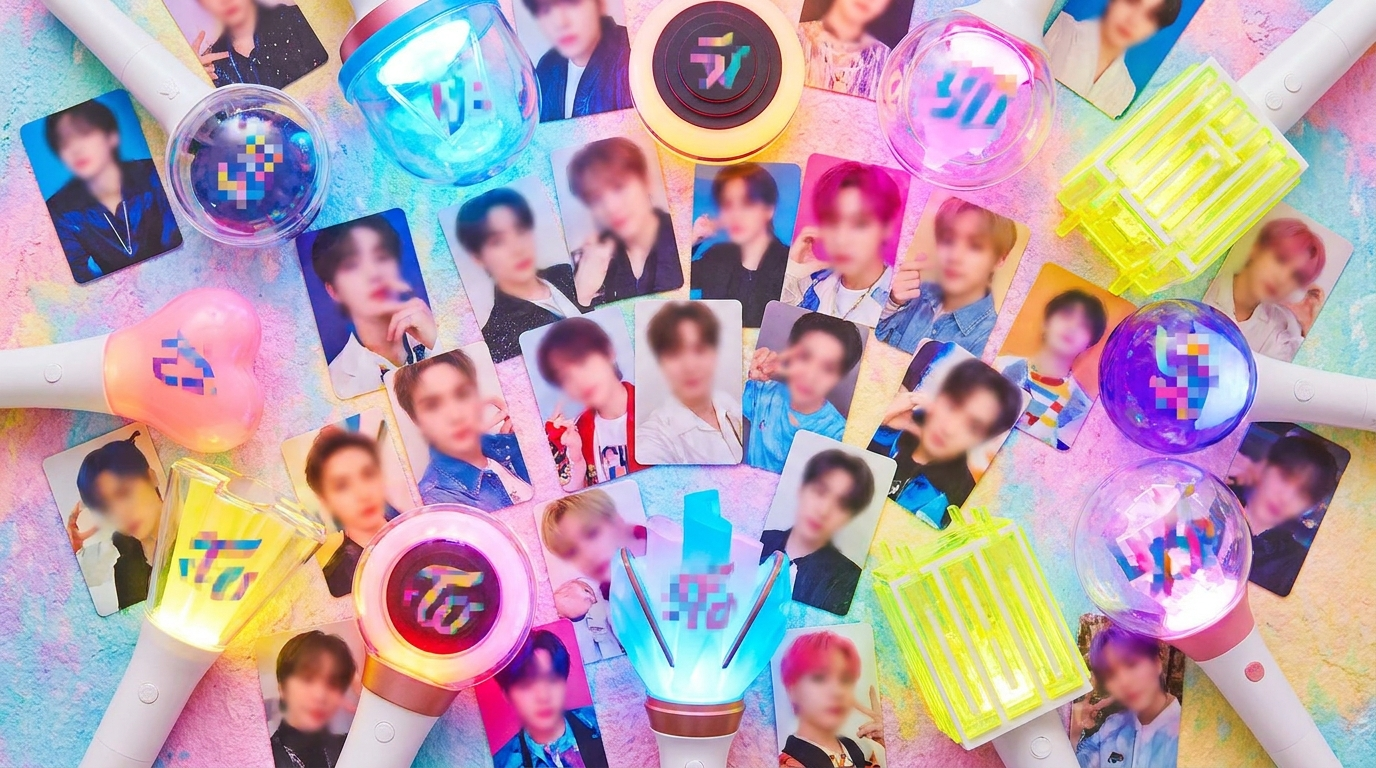
Every major group has an official fandom name (BTS’s ARMY, Stray Kids’ STAY, SEVENTEEN’s CARAT) and a light stick. Membership badge, not membership requirement — you need neither to enjoy the music. Hold off on buying anything until you’re sure you’ll still care in a month.
Streaming and voting carry more weight in K-pop than in most Western pop scenes because they feed award shows and chart rankings directly. Some corners of fandom take this very seriously. You can ignore that side entirely and still count as a fan; plenty of people do.
Once you’ve picked a group, the two usual next steps are joining an official fan club and planning for a concert — and both come with their own scams. Our guides on joining an official K-pop fan club safely and buying K-pop concert tickets safely from overseas cover each one.
Where New Fans Get Burned
- Trying to learn every member of every group at once. Pick one group. Let curiosity about the rest grow on its own — this is where most people stall out and quit.
- Judging a group off one music video. Title tracks are the most produced, most high-concept song on a release. B-sides and live clips often sound like a different group entirely.
- Buying resale concert tickets from strangers on social media. BTS tour dates selling out instantly created a thriving scam market in 2026. If a sold-out ticket looks easy to buy, assume fraud until proven otherwise.
- Dropping money on merch in week one. Light sticks run roughly $50-70 before shipping, and it stings to own one for a group you cool on within a month.
- Skipping subtitles. Official content is usually subtitled within a day or two of release. The personality content is where attachment actually forms — don’t skip it because it isn’t music.
Checklist for New Fans
- ✅ Pick one group from the table above based on what you already listen to.
- ✅ Play their last 2-3 title tracks, then one starter playlist — no chronological marathons.
- ✅ Watch one subtitled variety appearance before committing more hours.
- ✅ Follow one comeback cycle live (August-September 2026 offers several).
- ✅ Spend zero dollars for the first month. The music is free; conviction should come before merch.
References
- Billboard — K-Pop coverage
- Rolling Stone — BTS ARIRANG comeback coverage
- Soompi — K-pop news
- allkpop — comeback schedules
FAQ
Do I need to know Korean to enjoy K-pop?
No. Official music videos, variety content, and interviews from major groups get subtitled fast, and lyric translations are everywhere. Some fans pick up Korean over the years — that’s a side effect, not a prerequisite.
Which group has the easiest catalog to catch up on?
Of the groups above, IVE and aespa — both debuted in the 2020s, so a weekend covers the essentials. KATSEYE is even lighter and releases in English. BTS and TWICE have the deepest catalogs; use starter playlists there, not chronology.
How do I know if a group is still actively promoting?
Check their official social accounts or a comeback-tracking app. Group activity shifts around military enlistment windows for male groups — BTS’s 2022-2025 pause being the biggest recent example — so a quiet year doesn’t mean disbandment.
Fact-checked based on public sources as of August 6, 2026. Release dates and tour schedules change — confirm on official channels before buying anything.