How to Spot Fake K-Beauty Products Before You Buy Online in 2026
Quick answer: Real K-beauty packaging has consistent Korean-and-English printing and a batch code you can actually check against the brand’s own verification page. Fakes usually mess up the small stuff instead of the obvious stuff. Watch for logos that are slightly the wrong shade, missing or fake-looking batch codes, and prices that sit 40% or more below every other seller. The safest habit is buying only from a seller the brand names directly as authorized, whether that’s their own store, Olive Young Global, or a listed department-store partner.
Somewhere between a TikTok Shop haul video and a $9 “COSRX” snail mucin listing on a marketplace app, a lot of shoppers end up with a product that looks right in photos and feels wrong on skin. It’s not paranoia. Counterfeit K-beauty has become common enough that several major brands, including COSRX, have posted public warnings about fake stock flooding resale sites and social commerce apps.
This isn’t about scaring anyone off K-beauty. It’s about knowing what to check before you click buy, and what to do if a product you already own doesn’t add up. If you’re the kind of shopper who already checks which sites are legit before streaming this summer’s new K-dramas, this is the same instinct pointed at a shopping cart instead of a browser tab.
Contents
- Why Are Counterfeit K-Beauty Products Everywhere Right Now?
- Packaging Red Flags: What Fake K-Beauty Actually Looks Like
- Real vs. Fake: A Side-by-Side Comparison
- How Do QR Codes and Batch Numbers Prove Authenticity?
- Which Sellers Are Actually Safe to Buy From?
- Common Mistakes Even Careful Shoppers Make
Why Are Counterfeit K-Beauty Products Everywhere Right Now?
Third-party marketplace sellers and short-form video commerce made it cheap to list fake stock next to real listings, and buyers usually can’t tell the difference from a thumbnail. COSRX has publicly said counterfeit versions of its snail mucin essence and other bestsellers are circulating on social shopping apps, packaged closely enough to the original that even regular customers get fooled. The FTC’s online shopping guidance flags the same pattern across categories, not just beauty: expensive-looking items at bargain prices, sold by an account with no verifiable seller information attached.
K-beauty gets hit harder than most categories for a simple reason. A lot of shoppers outside Korea have never held the authentic product in person, so they have no baseline to compare against. That’s exactly the gap counterfeiters exploit.
Packaging Red Flags: What Fake K-Beauty Actually Looks Like
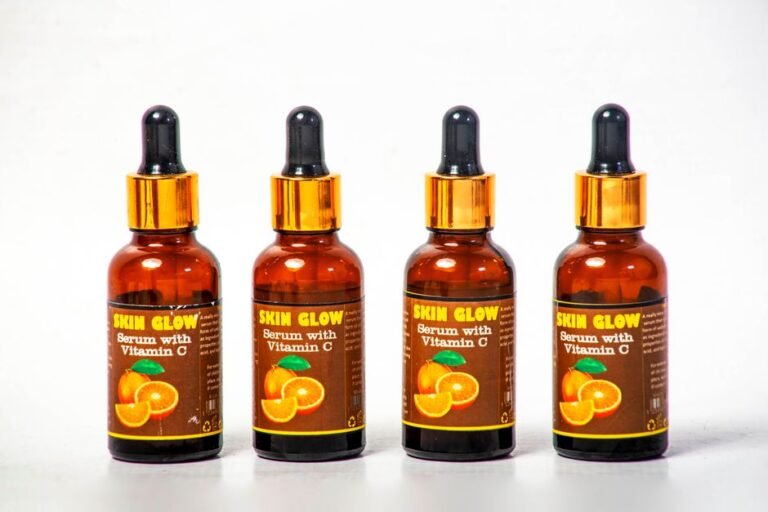
Start with the box, not the product inside it. Genuine K-beauty packaging is printed by machines calibrated to the brand’s exact color codes, so the logo color, font weight, and spacing stay identical batch after batch. Fakes are usually printed by a different press entirely, and that shows up in small ways.
- Color drift: a logo that’s a slightly warmer or cooler shade than official product photos.
- Text errors: Korean characters with a stroke missing, English translations that read slightly off, or ingredient lists with typos.
- Weight and feel: tubes that feel thinner, caps that thread loosely, or a box printed on noticeably flimsier cardboard.
- Smell and texture: a scent that’s stronger, weaker, or just different from what reviewers describe, or a formula that separates unusually fast.
- Missing origin info: no manufacturer address, distributor name, or country-of-origin stamp anywhere on the box.
Here’s where people get tripped up: none of these signs is damning on its own. Brands legitimately redesign packaging, and lighting changes how a photo reads. It’s the combination — two or three of these at once — that’s worth pausing over.
Real vs. Fake: A Side-by-Side Comparison
When I compared listing photos across a few resale marketplaces against official brand product shots, the differences were rarely in the big design elements — they showed up in details like cap texture and batch code placement. This table covers what to look at.
| Detail | Authentic | Likely Fake |
|---|---|---|
| Batch code | Present, verifies on brand’s site | Missing, smudged, or fails verification |
| Price vs. official retail | Within roughly 10-20% of Olive Young Global pricing | 40%+ below every other seller |
| Seller info | Named business, address, return policy listed | Anonymous storefront, no contact page |
| Cap and pump | Threads smoothly, dispenses consistently | Loose thread, uneven or clogged pump |
| Texture on first use | Matches reviewer descriptions | Noticeably thinner, grainier, or scented differently |
How Do QR Codes and Batch Numbers Prove Authenticity?
They prove authenticity only if the brand actually runs a verification system and you check it directly on the brand’s own site, not through a link a seller sends you. Several K-beauty brands, COSRX included, let shoppers enter a batch number or expiration date on an official page to confirm a product matches a real production run. If the code comes back invalid, or the brand has no such system for that product line, that’s real information — not proof of nothing.
I found that coverage is inconsistent. When I checked verification pages for a handful of well-known brands, most only cover their best-selling few products, not the full catalog. A missing verification tool doesn’t automatically mean a product is fake. It just means you’ll need to rely more heavily on seller reputation and packaging checks instead.
Which Sellers Are Actually Safe to Buy From?
Stick to sellers the brand names directly, not sellers who simply claim to be authorized. Olive Young Global ships straight from Korea and is the international arm of Olive Young’s own retail chain, which makes it one of the more reliable options for shoppers outside Korea. Brand-owned storefronts (COSRX.com, official Amazon storefronts run by the brand itself, and department-store beauty counters like Sephora or Ulta for the brands that stock there) are the next-safest tier.
Third-party marketplace listings and social-commerce shops are where the risk concentrates. That’s not different from the due-diligence habit fans already apply elsewhere in K-culture fandom — the same instinct that makes you check whether a K-pop fan club is officially run by the agency before paying dues applies here. If a seller can’t point to an actual relationship with the brand, treat every claim on the listing as unverified.
If you’ve already ordered from an official channel and something still goes wrong with the order itself — wrong item, damaged shipment, refund dispute — that’s a separate process from authenticity checks, and it’s worth knowing the retailer’s specific return steps ahead of time.
Common Mistakes Even Careful Shoppers Make
Trusting seller ratings as proof of authenticity is the biggest one. A storefront can have hundreds of five-star reviews for other products and still be selling counterfeit stock of one specific item, because reviews accumulate faster than any single buyer can catch a packaging discrepancy.
Assuming a lower price means a sale, not a fake, is the second-most common mistake. Real sales exist. But a “sale” that’s permanently 50% under every other listing for the same batch isn’t a sale — it’s a price point.
The third mistake is checking authenticity after opening the product instead of before buying it. Once a jar is opened, most marketplaces won’t accept a return regardless of what you find, so the packaging and seller checks matter most before checkout, not after.
Most people skip patch-testing a new product entirely, fake or not. That’s a separate risk from counterfeiting — a totally authentic product can still cause irritation for a specific person’s skin, so treat these two questions (is it real, and does it agree with my skin) as different checks. This isn’t medical or dermatological advice; if a product causes a persistent reaction, a dermatologist is the right call, not a returns department.
Quick Tips Before You Checkout
- Compare the listing photo’s batch code area against official product photos before ordering, not after.
- Search the seller’s business name plus “counterfeit” or “fake” before buying from an unfamiliar storefront.
- Save the product box until you’ve used enough to confirm texture and scent match expectations.
- Screenshot the listing at time of purchase in case you need to dispute a payment later.
Warning Signs That Mean Walk Away
- Seller has no return policy, no business address, and a storefront created recently.
- Batch code fails verification on the brand’s own site, or the product line has no verification tool and the seller insists otherwise.
- Price sits 40% or more below every other seller carrying the same item.
- Product causes stinging, burning, or a rash that doesn’t match how reviewers describe the real formula.
FAQ
Is my Korean skincare product fake?
You can’t tell from a single detail, but a cluster of signs is a strong signal: a batch code that fails verification, packaging that feels lighter or thinner than described, and a seller with no listed return policy together point toward counterfeit. One odd detail alone, like a slightly different scent, is more likely a formula update or shipping-related change.
How can I verify K-beauty product authenticity without contacting the brand directly?
Compare the batch code and packaging against recent official product photos from the brand’s own site or a verified retailer like Olive Young Global. If the brand runs a batch-lookup tool, use it. If not, seller reputation and price consistency are your next-best checks.
Are authorized K-beauty retailers more expensive than marketplace sellers?
Usually only slightly, and the gap is smaller than most shoppers expect. Olive Young Global and brand-direct stores typically sit within about 10-20% of each other, while marketplace listings that undercut both by 40% or more are the ones worth treating with suspicion rather than treating as a deal.
Sources
- FTC Consumer Advice — Online Shopping
- Olive Young Global (official retailer site)
- COSRX Official FAQ
🔗 Related guides
Fact-checked based on public sources as of 2026-08-02. This article is general consumer information, not medical or dermatological advice.