Google Pixel 11 Is Here: Should You Upgrade From a Pixel 9 or Pixel 10? (2026)
Google confirmed the Pixel 11, Pixel 11 Pro, and Pixel 11 Pro XL on August 12, 2026, and pre-orders opened the same day on Google’s store. That part isn’t in dispute — it’s right there on Google’s own product page. What’s less clear, and what most of the launch-day coverage skipped past, is whether upgrading actually makes sense depending on which phone you’re carrying right now.
- 1. What actually changed with the Pixel 11 launch
- 2. Is it worth it if you’re on a Pixel 9?
- 3. Pixel 10 owners: what would you actually gain?
- 4. Pixel 11 vs Pixel 10 vs Pixel 9: the spec comparison
- 5. How much does this really cost after trade-in?
- 6. The pre-order bonus fine print
- 7. Pre-order now, wait, or skip this generation?
What Actually Changed With the Pixel 11 Launch?
Google’s Pixel 11 starts at $899 for a 256GB model, runs on the new Tensor G6 chip, and ships August 20 — eight days after the August 12 announcement. That’s the short version, straight from Google’s own product listing.
The bigger shift is storage, not price. Every Pixel since the 9 has started at 128GB, with 256GB as a $100 upsell. The Pixel 11 flips that: 256GB is now the floor, and 512GB is the option above it. So when you see “$899, up from $799,” that headline is comparing a 256GB phone to a 128GB one. When I checked Google’s own spec pages for all three phones side by side, a 256GB Pixel 10 was already $899 — meaning storage-for-storage, Google didn’t actually raise the price this generation.
The Pixel 11 Pro starts at $1,099 and the Pro XL at $1,299, both also confirmed on Google’s store. This guide focuses on the base Pixel 11, since that’s the model most Pixel 9 and Pixel 10 owners are actually comparing against their current phone.
Is the Pixel 11 Worth It If You’re on a Pixel 9?
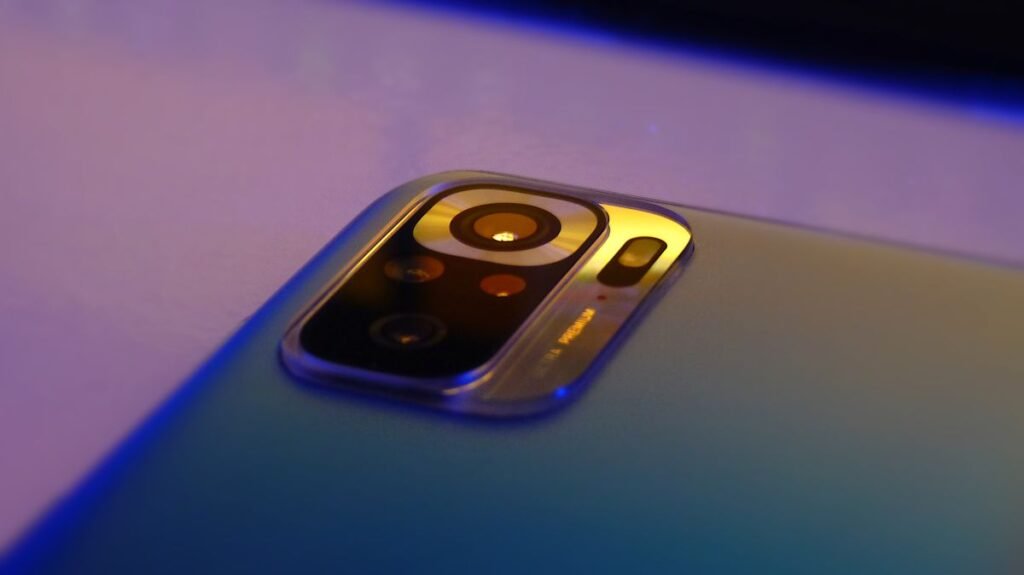
If you’re still carrying a Pixel 9, the Pixel 11 is a real upgrade, not a marginal one. The Pixel 9’s rear camera is a two-lens setup — 50MP wide and 48MP ultrawide, with no telephoto at all. The Pixel 11 adds a third lens (10.8MP telephoto), which the Pixel 9 simply doesn’t have at any zoom level beyond digital cropping.
Storage tells a similar story. The Pixel 9 starts at 128GB for $799. The Pixel 11 starts at 256GB for $899 — double the space for $100 more, which is a better deal per gigabyte than the Pixel 9 ever offered.
Then there’s the chip gap. Two Tensor generations sit between Tensor G4 and Tensor G6. Two years of Android feature drops, camera processing improvements, and on-device AI models sit in that gap too.
Battery capacity moved from a typical 4,700mAh (Pixel 9) to a typical 4,985mAh (Pixel 11) — both figures pulled directly from Google’s spec sheets, not rounded estimates. That’s roughly a 6% larger cell, which won’t transform your battery life on its own, but it stacks on top of a more efficient chip.
Pixel 10 Owners: What Would You Actually Gain?
This is the harder case to make, and honestly, most Pixel 10 owners shouldn’t feel any urgency here.
Start with the camera. Both phones already have a triple rear setup with a telephoto lens — the Pixel 10 added that lens for the first time last year, and the Pixel 11 keeps the same three-lens layout. You’re not gaining a lens you didn’t already have.
Storage is identical if you already bought the 256GB Pixel 10 — both phones start there now. RAM is the same 12GB on both. Battery capacity moved from a typical 4,970mAh to 4,985mAh, which is close enough to round to zero.
What you actually get is one Tensor generation (G5 to G6) and whatever camera-processing and on-device AI improvements come bundled with it. That’s real, but it’s not the kind of jump that justifies replacing a phone that’s less than a year old — especially with seven years of OS and security updates already promised to Pixel 10 owners in Google’s own device support commitment.
Pixel 11 vs Pixel 10 vs Pixel 9: The Spec Comparison
Here’s the base-model comparison, built entirely from Google’s own product and spec pages for each phone — not a spec-sheet copy-paste from a rumor roundup.
| Spec | Pixel 9 | Pixel 10 | Pixel 11 |
|---|---|---|---|
| Starting price | $799 (128GB) | $799 (128GB) / $899 (256GB) | $899 (256GB) |
| Chip | Tensor G4 | Tensor G5 | Tensor G6 |
| Display | 6.3" Actua, 60-120Hz | 6.3" OLED, 3,000 nits | 6.3" OLED, 120Hz Smooth Display |
| RAM | 12GB | 12GB | 12GB |
| Rear camera | 50MP + 48MP (no telephoto) | 48MP + 13MP telephoto (5x) | 48MP + 13MP + 10.8MP telephoto |
| Front camera | Not listed here | 10.5MP | 10.5MP |
| Battery (typical) | 4,700mAh | 4,970mAh | 4,985mAh |
| Charging | Not listed here | 30W wired + Qi2 wireless | 30W wired |
A couple of these numbers are worth double-checking against your own memory of the specs, because they don’t match what circulated in early leak coverage. The battery figure everyone quoted pre-launch was 4,885mAh — Google’s actual spec page says 4,985mAh. It’s a small gap, but it’s the kind of thing that only shows up when you go to the primary source instead of trusting the aggregation chain.
How Much Does This Really Cost After Trade-In?
Sticker price isn’t what most people actually pay. Google’s own Pixel 11 listing shows trade-in pricing starting at $399 — a savings of up to $500 off the $899 sticker, depending on what you’re trading in.
When I compared that trade-in flow against the flat sticker price, the $500 ceiling only applies to specific device conditions — most real-world trade-ins land somewhere below the top figure, not at it.
A well-kept Pixel 9 or Pixel 10 in good condition typically lands somewhere in the middle of that trade-in range, not at the top or bottom. Google doesn’t publish a fixed trade-in value for every device on the main product page — you get the actual number by starting the trade-in flow with your device’s model and condition selected.
Here’s where people get tripped up: the trade-in discount is applied as an instant credit at checkout, not a mail-in rebate after the fact. If a listing shows a price “after trade-in” with a strikethrough on the full price, that’s the immediate checkout price — you’re not waiting weeks for a check.
Financing is also on the table, spreading the cost over 36 months through Google’s own store. That doesn’t lower the total cost, but it changes the monthly number people actually budget around.
The Pre-Order Bonus Fine Print
Google’s pre-order promotion is easy to misread if you only catch the headline. The offer is six months of Google AI Pro, valued at $119.94, and it comes bundled with the Pixel 11 Pro and Pro XL pre-orders — not automatically with the base Pixel 11.
That subscription includes higher Gemini usage limits, 5TB of cloud storage, and Google Health Premium for the six-month window. After that, it renews at the standard subscription rate unless you cancel it yourself.
If you’re pre-ordering the base Pixel 11 specifically because you saw “free AI Pro” mentioned somewhere, confirm the offer applies to your exact model and region before you check out. Promotions like this have historically varied by country and by which model qualifies, and the fine print on Google’s own checkout page is the only version that matters.
Set a reminder for month five if you do get the subscription bundled in. Six months goes by faster than it sounds, and auto-renewal is the default.
Should You Pre-Order Now, Wait, or Skip This Generation?
Based on everything confirmed above, here’s how the decision actually breaks down by starting phone:
- On a Pixel 9 or earlier: Reasonable to pre-order now. You gain a telephoto lens you don’t currently have, double the base storage, and two full chip generations.
- On a Pixel 10: Wait, unless the camera telephoto reach or a specific Tensor G6 feature is something you already know you need. The core hardware is close enough that most people won’t feel the difference day to day.
- Budget-conscious either way: Check your trade-in value first — the $399 starting trade-in price changes the math more than any spec on the table above.
- Care about AI subscription perks: The free AI Pro months are tied to the Pro and Pro XL pre-orders, not the base model, so don’t let that sway a base Pixel 11 decision.
One more thing worth checking before you commit either way: carrier trade-in promotions sometimes beat Google’s direct trade-in value, especially for a phone still under a year or two old. It only takes a couple of minutes to compare both.
FAQ
When does the Pixel 11 actually ship, not just go up for pre-order?
Google confirmed August 20, 2026 as the date phones arrive at the Google Store and retail partners, eight days after the August 12 pre-order opening.
Is the Pixel 11 Pro worth the extra $200 over the base Pixel 11?
That comes down to whether you want the larger display size and the six months of AI Pro that Google is currently bundling with Pro and Pro XL pre-orders specifically — that bonus isn’t included with the base model.
Will my Pixel 9 or Pixel 10 stop getting updates soon just because a new model launched?
No. Google’s current device support commitment covers seven years of OS, security, and Pixel Drop updates from each phone’s original release, so a Pixel 9 or Pixel 10 bought at launch still has years of updates ahead regardless of what ships next.
Sources
- Google Pixel 11 official product page — pricing, trade-in offer, storage tiers
- Google Pixel 11 spec sheet — chip, display, camera, battery figures
- Google Pixel 10 spec sheet — comparison baseline
- Official Google Pixel 11 launch announcement — launch date, pre-order bonus details
Fact-checked based on Google’s own product and spec pages as of August 14, 2026. Prices and promotional offers are subject to change — check Google’s store for current terms before purchasing.