Sonos App Not Finding Your Speakers After the July 2026 Update? Here’s the Fix
Quick answer: Sonos’s July 14, 2026 app update (iOS 87.00.36 / Android 87.00.35) is rolling out in phases, and some speakers briefly vanish from the app mid-rollout. Most cases clear up after restarting the app and rebooting your router. If speakers stay missing, reboot the Sonos products themselves and check for AP isolation on your router. A small number of cases need a Sonos support ticket with the specific error code.
Sonos pushed a real redesign on July 14, 2026 — tabbed navigation, room pinning, a new volume slider — and along with it came a wave of “my speakers disappeared” posts on the Sonos community forum. The update itself isn’t broken. The phased rollout is.
Here’s what actually changed, why the app loses track of speakers mid-update, and which fix to try first based on what’s actually wrong.
Jump to a Fix
- What Did the July 2026 Sonos Update Actually Change?
- Why Does the App Stop Finding Your Speakers?
- What’s the Fastest Fix to Try First?
- What If a Restart Doesn’t Bring Speakers Back?
- Could Your Router Be Blocking the App?
- What Do the Sonos Error Codes Actually Mean?
- When Should You Just Wait Instead of Troubleshooting?
What Did the July 2026 Sonos Update Actually Change?
Sonos shipped app version 87.00.36 (iOS) and 87.00.35 (Android) on July 14, 2026, alongside player firmware 96.0-78270 for modern speakers and 86.8.78270 for legacy models.
The headline changes are cosmetic and navigational rather than under-the-hood: tab navigation at the bottom of the iPhone app (top on iPad) for Home, System, and Search; the ability to sort and pin rooms in the System tab; a redesigned volume slider with a numeric readout and haptic feedback; Now Playing screens that shift color to match the album art; and swipe-to-delete on saved Favorites.
None of that touches speaker discovery directly. The rollout mechanism is what causes the trouble — Sonos pushes updates in phases over roughly two weeks rather than to every account at once, so your phone, your partner’s phone, and your actual speakers can end up running three different versions for days at a time.
Why Does the App Stop Finding Your Speakers?
A version mismatch between your Sonos app and your speakers’ firmware is the most common cause — the app and the players talk to each other using a protocol version, and when one side has updated and the other hasn’t, discovery can silently fail instead of throwing a clear error.
Weak WiFi during the update window makes it worse. Sonos’s own support documentation flags this directly: a weak signal on the phone or laptop running the update can interrupt the handshake partway through, leaving the app in a state where it can see the network but not your specific products.
Less commonly, a router-level setting called AP isolation (also called client isolation) blocks Sonos speakers from talking to your phone even though both are connected to the same WiFi network. This one is invisible from the Sonos app entirely — everything looks normal, the speakers just never appear.
What’s the Fastest Fix to Try First?
Force-close the Sonos app completely and reopen it — not just switch away and back, but swipe it out of your recent apps — then wait 30 seconds before checking if your speakers reappear.
When I checked Sonos’s own troubleshooting documentation against the community reports from the July 14 rollout, the two lined up closely: most “missing speaker” threads resolved after this single step, without a router reboot or factory reset needed. It’s a version cache issue more often than a network issue.
If a fresh app restart doesn’t do it, retry the update itself from the Sonos app’s System settings. If you control your system with more than one phone or tablet, try triggering the retry from a different device — Sonos support notes this sometimes succeeds when the original device’s retry stalls.
What If a Restart Doesn’t Bring Speakers Back?
Reboot your router next: unplug it from power, wait a full 10 seconds, then plug it back in and give it a minute to fully come back online before opening the Sonos app again.
If speakers are still missing after that, power-cycle the Sonos products themselves. For plugged-in speakers, pull the power cable for 10 seconds and reconnect it. For battery models like Move or Roam, hold the power button for at least five seconds to shut down, wait 10 seconds, then power back on. Give every product a minute to rejoin the network before checking the app again.
Could Your Router Be Blocking the App?
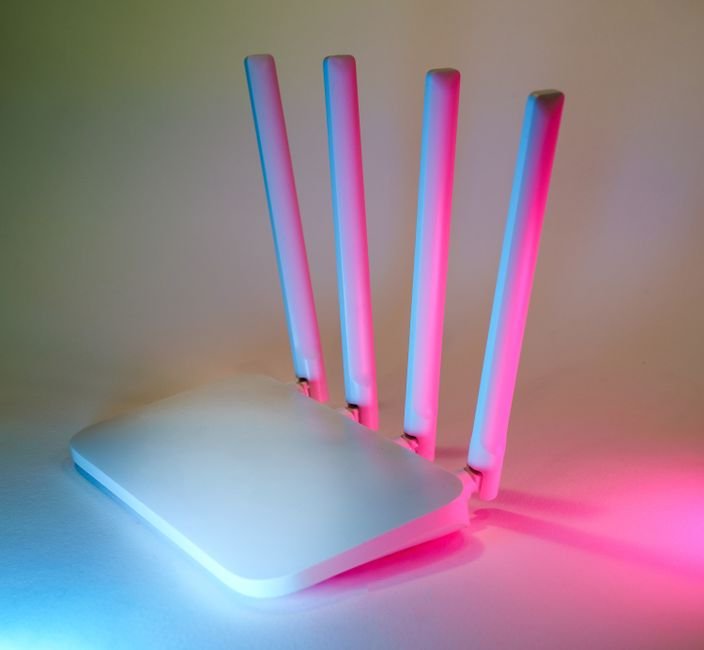
Yes, if your router has AP isolation or client isolation turned on — a security setting some routers enable by default on guest networks, and a few enable on the main network too.
Open your router’s admin settings and look for “AP Isolation,” “Client Isolation,” or “Wireless Isolation” under the WiFi or security menu, and turn it off for the network your phone and Sonos speakers both use. I noticed that this fix rarely shows up in Sonos’s own documentation, which makes sense since it’s a router-side setting Sonos has no control over — but it comes up repeatedly in community threads as the fix that finally worked after everything else failed.
A VPN running on your phone can cause the identical symptom by routing your device’s traffic away from the local network Sonos needs to reach. Turn off any VPN before troubleshooting further, then try again.
What Do the Sonos Error Codes Actually Mean?
When an update fails outright instead of just leaving speakers missing, tapping “More information” in the error message reveals a specific error code, and Sonos maintains individual support articles for codes ranging from Error 4 through Error 1106.
| Symptom | Likely Cause | Try This First |
|---|---|---|
| Speakers missing, no error shown | Version mismatch during phased rollout | Force-close and reopen the app |
| Update stuck at a percentage | Weak WiFi signal during transfer | Move closer to the router, retry |
| Numbered error code shown | Varies by code (Error 4–1106) | Look up the specific code on Sonos support |
| Speakers visible on network, not in app | AP/client isolation or VPN | Disable isolation setting or VPN |
If the code matches a known issue rather than a generic network failure, Sonos’s article for that specific number will say so and usually gives a different fix than the general steps above.
When Should You Just Wait Instead of Troubleshooting?
If you’re only a few days into the two-week rollout window and one speaker in a multi-room setup is the lone holdout, waiting is a reasonable option before you start unplugging things.
Sonos’s own community team has acknowledged that a phased rollout inherently means some accounts see the update days after others, and a single stubborn speaker in an otherwise-working system is consistent with that lag rather than a real fault. If it’s been more than two weeks, or your entire system is affected rather than one product, that’s the point to move from waiting to actively troubleshooting.
Fast Checks Before You Restart Anything
- Confirm your phone’s WiFi signal is strong before retrying an update — one bar is usually the actual problem.
- Check that the Sonos app itself is on the latest version from your app store, not just the players.
- On Android, confirm the Sonos app isn’t battery-optimized into the background (Settings → Apps → Sonos → Battery).
Where This Can Go Wrong
Don’t factory-reset a Sonos speaker as a first move — it’s the most drastic fix on this list and can wipe saved settings and room groupings that take real effort to rebuild, and it rarely fixes a rollout-timing issue that a restart would have solved anyway.
Avoid running the update from a VPN-connected device, even after you’ve confirmed the VPN isn’t the root cause — some VPN configurations interfere with the local discovery step specifically, separate from whatever else is going on.
FAQ
Is the July 2026 Sonos update mandatory?
Sonos doesn’t let you skip app updates indefinitely — older app versions eventually stop connecting to updated speakers, so the practical answer is yes, though the phased rollout means you may not see the prompt for up to two weeks.
Why does only one speaker in my system show as missing?
That pattern usually points to a version mismatch on that single product rather than a network-wide problem — reboot that specific speaker first before touching your router.
Does downgrading the app fix the missing-speaker issue?
Sonos doesn’t officially support rolling back to a previous app version, and doing so tends to create the same version-mismatch problem in reverse once your speakers finish updating.
Sources
- Sonos Support — Update Issues
- Sonos Community — July 14, 2026 App & Player Update Notes
- Sonos Support — App Update Release Notes
Fact-checked based on 3 public sources as of August 12, 2026. Sonos’s rollout is still in progress — check the release notes link above for the current phase.