How to Patch Test a New Skincare Product Safely
Skip the patch test and you can lose a week of your skin to redness and peeling. I’ve watched it happen. The frustrating part? It’s avoidable in under 48 hours. Here’s how I test anything new before it goes anywhere near my face. It’s a boring little habit. It has also saved me from more than one ruined week, so I keep doing it.
In This Guide
Steps
Step 1: Choose a Test Site
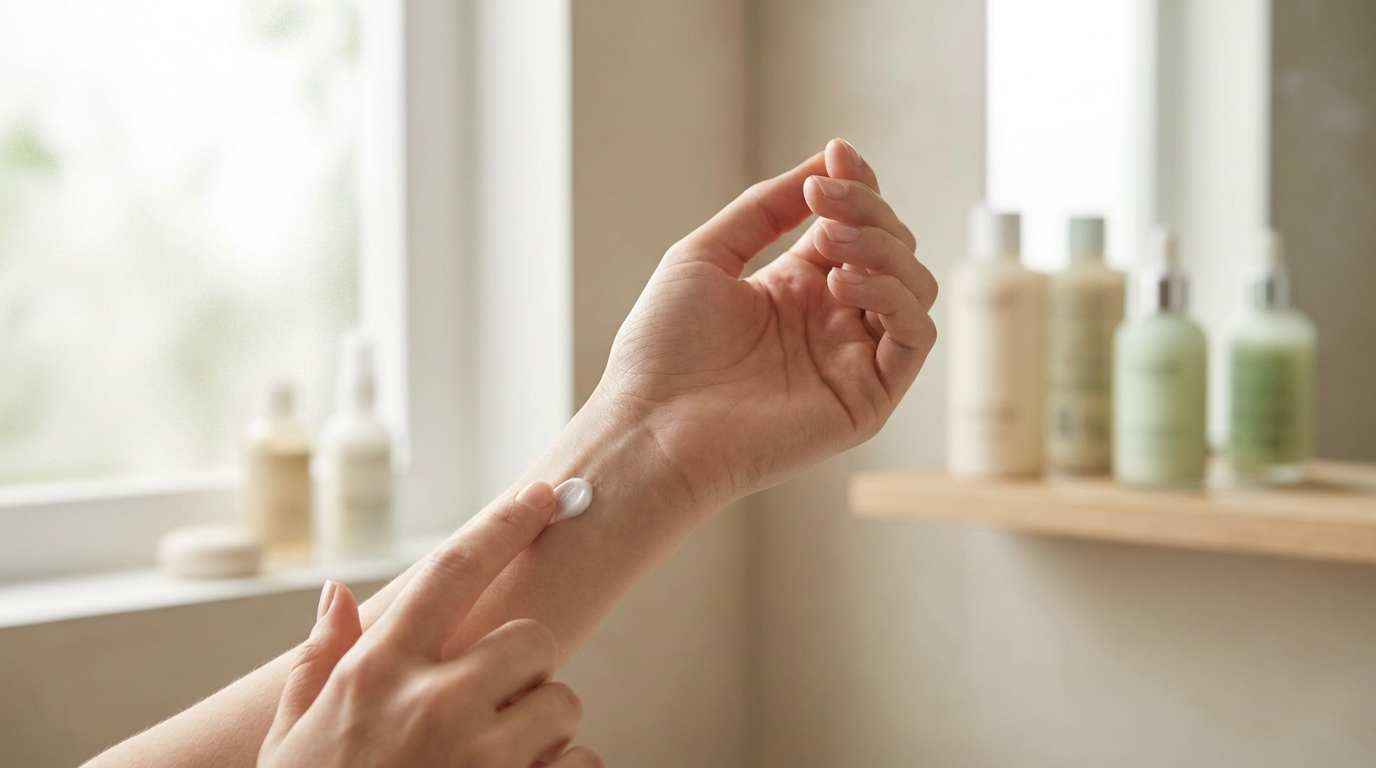
I go with the inner forearm. Behind the ear is my backup. Both have thin skin that behaves a bit like the face. And if something goes wrong, nobody sees it. That last part matters more than people admit. Nobody wants a stinging red patch in the middle of their cheek right before a meeting. Pick a spot you can hide.
Step 2: Apply a Small Amount of the Product
Use roughly what you’d normally use in one go. Keep it to a small, defined spot. Think coin-sized. No need to slather. Piling on more won’t tell you anything extra, and it just wastes product you might end up loving.
Step 3: Leave It Undisturbed for 24-48 Hours
Don’t wash the area. Don’t layer anything on top of it either. You want a clean read on how your skin responds. I set a phone reminder, because I will absolutely forget and scrub it off in the shower otherwise. Two nights of patience is the whole ask here. Your skin needs that time to actually speak up.
Step 4: Check for Redness, Itching, or Swelling
See any of those? The product probably isn’t for you. Stop there. Don’t take it to your face. One thing to keep straight, though. A quick tingle when it first touches skin isn’t the same as redness that creeps in and builds over the two days. If you’re unsure which one you’re looking at, wait and watch. The reaction that matters gets worse, not better.
Step 5: If Clear, Introduce Gradually to Your Face
Passed the test? Great. Still, go slow. I use a new product on my full face every other day for the first week or two. Daily use can wait. A small area of skin tolerating a product is one thing. Your whole face, over many days, is another. Give it room to adjust.
Step 6: Record What You Tested and When
Jot down the product name, the date, and what happened. A phone note is fine. Months later I went back through mine, and it was the only way I could tell which serum had wrecked my cheek versus which one had been perfectly fine. Memory is unreliable with this stuff. A two-line note is not. Trust the note.
Things You’ll Need
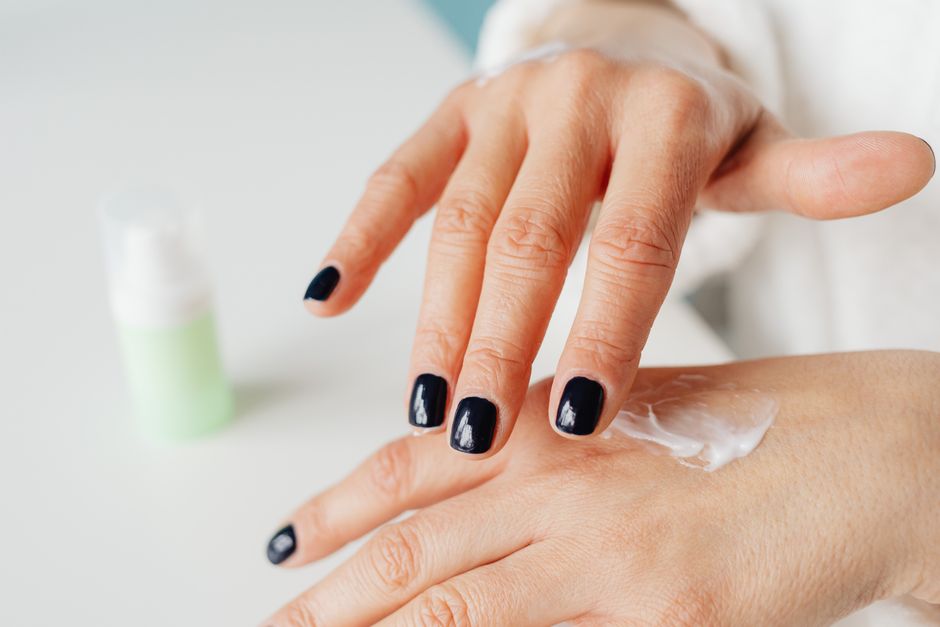
- The new product you’re testing
- A cotton swab or clean fingertip for application
- A way to track dates (phone note or calendar reminder)
Special Cases Worth Extra Caution
A few product types earn a longer, more careful test than the usual 24 to 48 hours. Their effects sneak up on you instead of showing right away. So the standard window can hand you a false all-clear. Slow down for these three.
- Retinoids and exfoliating acids — trouble here can show up on day three or four, not day one. Stretch your watch window to a full week before you commit to full-face use.
- Products for children or during pregnancy — skin sensitivity shifts in these phases. A product that once tested clean isn’t guaranteed to stay that way.
- Heavily fragranced products — fragrance is a top cause of delayed allergy. If it’s strongly scented, keep an eye on the spot for a few extra days.
Tips
None of these are complicated. They’re just the small moves that keep a bad reaction from turning into a bad month for your skin.
- ✅ Patch test every new active ingredient on its own, even inside the same brand’s lineup.
- ✅ Retest after months away from a product. Skin changes over time.
- ✅ Test one new product at a time. Layering several untested ones is asking for confusion.
Warnings
⚠️ A clean patch test isn’t a promise your face will agree. Facial skin can react differently, so ease new products in even after a clear result. ⚠️ For anything severe — swelling, blistering, trouble breathing — stop right away and see a dermatologist.
References
- American Academy of Dermatology — patch testing and allergic contact dermatitis guidance.
- National Eczema Association — product introduction guidance for sensitive skin.
Q&A
Do I need to patch test gentle products like plain moisturizer?
Honestly, for a very simple formula it matters less. But if there’s an active ingredient or fragrance in there, I’d still do it.
How long should I wait between testing new products?
Space them out. One product, then a few days, then the next. That gap is what lets you pin down the culprit if a reaction shows up. Rush two new products in together and you’ll never know which one turned on you.
What if my skin reacts after I’ve already started using a product daily?
Stop using it now. Give it a few days. If your skin still hasn’t settled, don’t wait it out — get a dermatologist to look. Lingering irritation isn’t something to push through.
Once a new product clears your patch test, pair it correctly with the rest of your lineup — see our 2026 Best K-Beauty Serums for Every Skin Type and how to build a K-beauty skincare routine as a beginner for how it fits into a full routine.
Fact-checked based on public sources as of July 21, 2026.
Sources & Further Reading
Dermatologists recommend applying a new product to a small test spot twice daily for seven to ten days before full use.
Related reading: 2026 Best K-Beauty Sunscreens for Daily Wear
Frequently Asked Questions
Does a clear patch test guarantee my face will not react?
No. Facial skin can respond differently than the inner forearm or behind the ear, so ease a new product in slowly even after a clear result. For anything severe, such as swelling or trouble breathing, stop immediately and see a dermatologist.
Do retinoids or exfoliating acids need a longer test window?
Yes. Reactions to these can surface on day three or four rather than day one, so extend your watch window to about a full week before full-face use. Heavily fragranced products also deserve a few extra days, since fragrance is a common cause of delayed allergy.
Should I be more careful patch testing during pregnancy or for a child?
It is worth extra caution, because skin sensitivity can shift in these phases and a product that once tested clean is not guaranteed to stay that way. This is general information, not medical advice, so check with a doctor or dermatologist about specific products.