
Mobile Car Washing Is 2026’s Fastest-Growing Side Hustle — Here’s What It Actually Costs to Start
Net income after fuel, chemicals, insurance, and marketing typically lands between $2,500 and $4,500 a month. Margins on basic exterior washes are thin — 15% to 20% — while deluxe detail packages at $80 to $120 a job pay noticeably better.
Jordan Lee · Side Hustle Notes · Fact-checked based on public sources as of September 8, 2026 · 3 sources checked
Why Is Mobile Car Washing Suddenly Everyone’s Side Hustle Pick?
Mobile car washing was named one of the fastest-growing side gigs in the U.S. for 2026, according to a roundup published by AOL covering the year’s top-trending side income options.
The appeal is obvious once you look at the barrier to entry. Unlike freelance writing or bookkeeping, you don’t need a portfolio or client history to start earning your first week. Unlike e-commerce, you’re not sitting on inventory. You need equipment, a vehicle, and a handful of customers willing to book you.
When I compared this against other physical-labor side hustles like pet sitting or moving help, the ceiling on mobile detailing is noticeably higher — a single deluxe detail job can pay what three or four dog-walking visits would.
What Does It Actually Cost to Start?
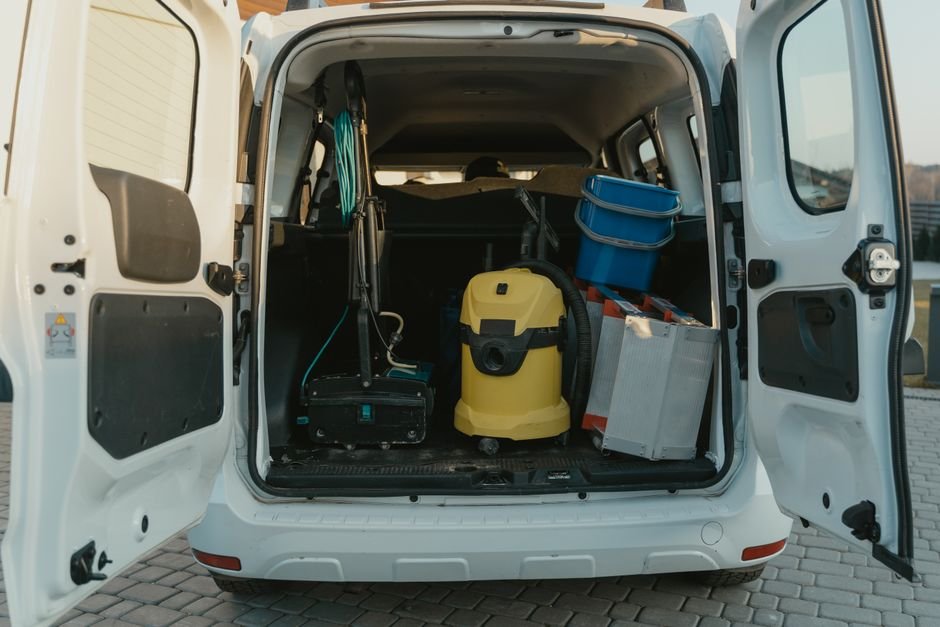
Basic equipment — a pressure washer, water tank, generator, vacuum, cleaning solutions, and hand tools — runs $1,000 to $10,000 depending on how far you go on quality and capacity from the start.
Most owner-operators enter the business with $10,000 to $25,000 total, vehicle included, based on figures reported by IdeaCrystal’s 2026 profitability analysis. That range covers a used van or truck plus a mid-tier equipment setup, not a brand-new fleet vehicle.
| Startup Tier | What’s Included | Typical Cost |
|---|---|---|
| Bare minimum | Pressure washer, buckets, basic chemicals, no dedicated vehicle | $1,000 – $2,000 |
| Standard solo operator | Full equipment set, generator, water tank, used van | $10,000 – $25,000 |
| Scaled operation | Multiple vans, eco-friendly waterless systems, staff | $150,000+ |
That top tier isn’t a side-hustle number — it’s a small business. If you’re reading this to figure out a first move, the standard solo-operator range is the one that matters.
How Much Can You Realistically Earn?
A full-time solo operator in a decent market can gross $4,000 to $7,000 a month. Net income, after chemicals, fuel, insurance, and marketing, typically lands between $2,500 and $4,500.
Those figures assume full-time hours, not a few weekend bookings. As a side hustle worked evenings and weekends, expect a fraction of that range — realistically a few hundred to low thousands a month depending on how many jobs you can actually book around a day job’s schedule.
I found that the spread between gross and net is wider here than in most side hustles people compare it to. A freelance writer’s overhead is close to zero. A mobile detailer is paying for fuel, water, chemicals, and insurance on every single job, which is why the net figure matters more than the headline gross number.
How Long Until You Break Even?
For a basic solo setup in the $10,000–$25,000 range, breaking even on equipment and vehicle costs generally takes a few months of steady bookings once you’re covering your ongoing expenses — the exact timeline depends heavily on how fast you build a repeat client base.
Larger, multi-van operations tell a different story. One detailed financial model for a scaled eco-friendly car wash operation showed a break-even point around month 31 — well over two years out, once you’re financing multiple vehicles and staff.
That gap matters. If you’re comparing a side-hustle-scale entry against a full small-business build-out, the payback timelines aren’t in the same universe, and the smaller path is the one that actually fits the side-hustle label.
Basic Wash vs Deluxe Detail — Which Pricing Tier Pays Better?
Basic exterior washes operate on thin margins — 15% to 20% profit after fuel, chemicals, equipment depreciation, and your time are subtracted. It’s volume work: a lot of quick jobs to add up to real money.
Deluxe packages that add interior vacuuming, wax, tire dressing, and window cleaning charge $80 to $120 per job and carry noticeably better margins. They also tend to book on a recurring basis with corporate fleet clients and property managers, which smooths out the feast-or-famine scheduling that plagues one-off basic washes.
Most people skip building a repeat client list early and regret it. A one-time $25 wash customer is worth one job. A biweekly $100 detail client for a small business fleet is worth thousands over a year.
The Costs Nobody Mentions in the Pitch
Insurance. General liability coverage for a mobile detailing business isn’t optional if you’re working on other people’s property and vehicles — skip it and one bad claim wipes out months of profit.
Water and wastewater rules. Some municipalities restrict where you can legally drain wash runoff, and waterless or eco-friendly product lines cost more per job specifically to work around that.
Seasonality. Winter in colder climates can gut booking volume for weeks at a time. Anyone quoting you a clean monthly average is usually averaging across a full year, not telling you what a January actually looks like.
Vehicle wear. Whatever you’re driving to jobs is racking up mileage and wear faster than a normal commute would, and that depreciation rarely makes it into anyone’s back-of-napkin profit math until the transmission bill shows up.
Marketing time that isn’t billable. Every hour spent posting on local Facebook groups or knocking on doors for corporate fleet contracts is an hour you’re not washing a car — and it doesn’t show up in the per-job margin numbers at all.
The overall market itself is also growing slowly rather than exploding — the car wash industry broadly is expanding around 2.1% a year. That’s steady, not a gold rush. The fastest-growing side hustle framing is about how easy it is for an individual to break in, not about runaway industry-wide demand.
Tips Before You Buy Equipment
- ✅ Start with the bare-minimum tier and a few paying customers before financing a van — validate demand first.
- ✅ Price deluxe packages from day one instead of only offering basic washes; the margin difference is significant.
- ✅ Check your city’s wastewater and mobile-business licensing rules before your first paid job, not after.
FAQ
Do I need a special license to run a mobile car wash?
Requirements vary by city and state — some require a general business license plus wastewater discharge permits, since runoff from car washing is regulated in many municipalities. Check your local government’s business licensing office before starting.
Is mobile car washing better than a fixed car wash location?
For a side hustle, mobile is far lower cost to start since you’re not paying for a physical location — the trade-off is you spend more time and fuel traveling between jobs instead of customers coming to you.
Can this realistically scale into a full-time income?
Yes, based on the $4,000–$7,000 monthly gross figures for full-time solo operators, though scaling beyond one person requires the kind of equipment and staffing investment that turns it into an actual small business rather than a side hustle.
Sources
- AOL — Why these side gigs are taking off in 2026
- IdeaCrystal — Is Mobile Car Wash Profitable? (2026 Data)
- Side Hustle Nation — How to Start a Mobile Detailing Business
This article is for general informational purposes and reflects public information available as of September 8, 2026. It is not financial or business advice — verify local licensing, insurance, and cost figures for your specific market before investing.