How to Start a Print-on-Demand Side Hustle Without Holding Inventory
Print-on-demand is one of the rare side hustles you can stand up over a weekend. No money down on inventory. You design a product, list it, and a fulfillment company prints and ships it the moment someone buys. There is no box of unsold shirts sitting in your closet. What is the catch? Margins are thin and the competition is heavy. That is exactly why the setup I walk through below leans on research and tax habits, and not just on picking a pretty font.
Here is what surprised me when I tried it. The tech was not the slow part at all. Connecting a print partner to Etsy took me maybe 20 minutes, start to finish. The grind was narrowing a niche tight enough to actually rank. A broad idea like ‘funny cat shirts’ went absolutely nowhere for me. But a sharper angle aimed at one small hobby community? That started pulling views inside the first week.
How the main print partners compare (2026):
| Platform | Cost model | Best for | Sells through |
|---|---|---|---|
| Printify | Free plan; you pay each item base cost per order | Higher margins and the widest product range | Etsy, Shopify, eBay |
| Printful | Free to use; base cost runs higher, quality is premium | Brand-focused shops that want consistency | Etsy, Shopify, Squarespace |
| Gelato | Free plan; prints locally around the globe | Quicker international shipping | Etsy, Shopify, WooCommerce |
| Etsy (marketplace) | 0.20 USD listing + about 6.5% transaction fee | Built-in buyer traffic, so no ads needed to start | Etsy only |
Those fee figures are current as of July 2026. They change often. Confirm Etsy live rates yourself on the official Fees & Payments Policy before you price a single item.
In This Guide
- Pick a focused niche you understand
- Choose products and a print partner
- Create designs that sell
- Connect a storefront
- Write keyword-driven listings
- Track income and set aside tax
Steps
Step 1: Pick a Focused Niche You Understand
Start where you already belong. A sport. A profession. A fandom. A specific pet breed. A narrow niche like ‘pickleball for physical therapists’ will beat a broad one like ‘sports’ every time. You already speak the language. And far fewer generic sellers are fighting over the same keywords. So write down five niches. Then search each one on Etsy. Look at how many results come up and how polished the top shops actually are. Where you find real demand sitting next to average-looking designs, that gap is your way in.
Have you already sold handmade or secondhand stuff online? Reuse everything you learned about those buyers. The audience research carries straight over. My walkthrough of the 2026 Best Apps for Reselling Secondhand Clothes Online runs on the same find-the-buyer-first logic.
Step 2: Choose Products and a Print Partner
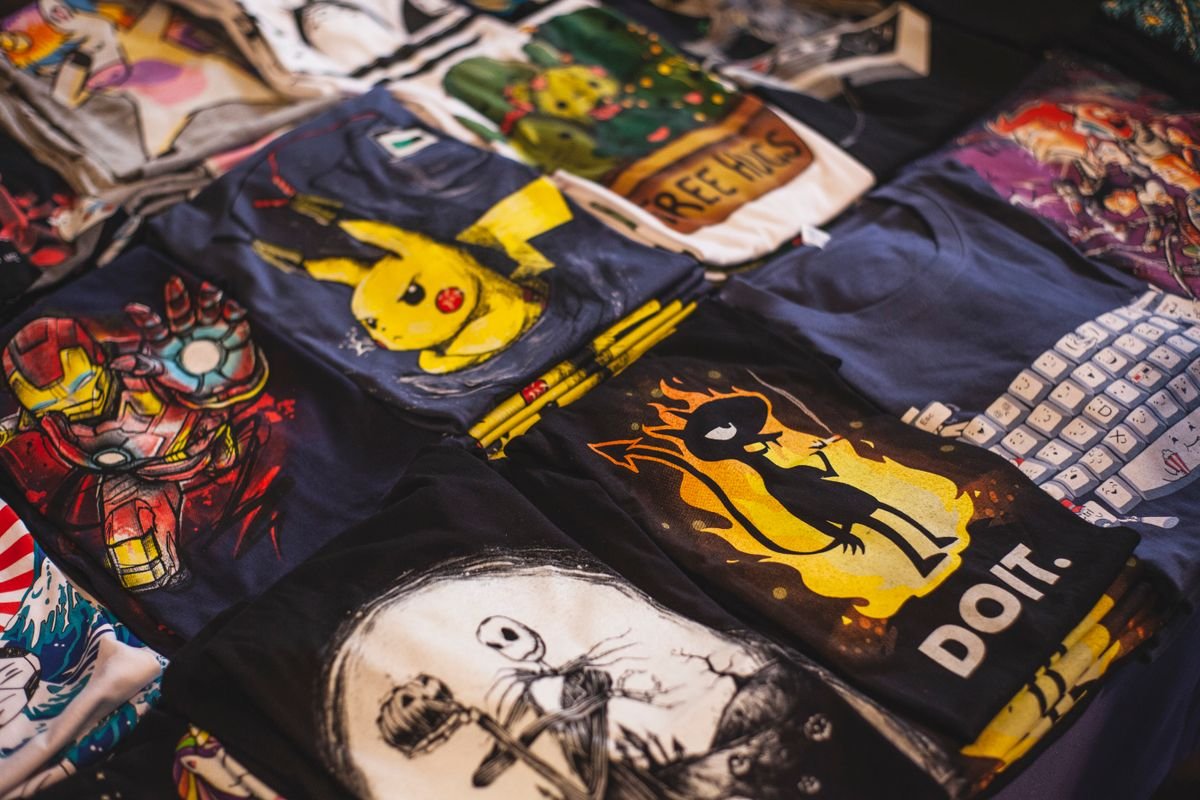
Keep it small at first. Two or three products, tops. Usually a t-shirt, a mug, and one wildcard like a tote or a poster. Fewer products means fewer mockups to babysit while you are still learning. Next, connect a print-on-demand partner to handle the printing and the shipping. Printify and Printful are the usual starting points. Printify tends to hand you lower base costs and fatter margins. Printful leans on tighter quality control. Both are free to join. Both only charge you the base cost after a customer has paid. Printify’s own getting-started guide goes deep on product selection if you want the detail.
Step 3: Create Designs That Sell
Honestly? The design matters less than the research behind it. Grab a free tool like Canva or Photopea. Lean on AI image tools for concepts if you like. But always redraw or heavily edit what they spit out, because marketplaces reject obvious mass-generated art and buyers see through it too. Aim for text-based or simple graphic designs to start. They print cleanly and they read well as tiny thumbnails. And make at least ten designs before you judge anything. One or two winners usually end up carrying an entire shop.
Step 4: Connect a Storefront
You really have two routes here. Etsy hands you built-in buyer traffic, so you can make sales without ever running an ad. The trade is listing and transaction fees, plus you compete inside its search. Shopify flips that. Full control and better margins, but no audience waiting for you. You bring the traffic yourself. For a first inventory-free hustle, I would start on Etsy. It is the lower-risk door. Move to Shopify later, once you have designs that have already proven they sell. Whichever you pick, connect your print partner through its official app so paid orders route to fulfillment on their own.
Step 5: Write Keyword-Driven Listings
Your title and your tags are the whole game for getting found. Put the exact phrase a shopper would type, something like ‘physical therapist pickleball shirt’, right at the front of your title. Then fill every single tag slot with related phrases. Render clean mockups on a plain background so the thumbnail lands at a glance. This is the same listing discipline that separates winners from losers everywhere online, from handmade marketplaces to resale apps.
Step 6: Track Income and Set Aside Tax From Day One
Print-on-demand money is self-employment income. Treat it that way from your very first sale. Open a separate free checking account, or even just a simple spreadsheet, and log every payout and every platform fee. In the U.S., I set aside roughly 25 to 30 percent of profit for taxes and check the IRS Gig Economy Tax Center for current reporting thresholds. Doing this from dollar one beats reconstructing a whole year of scattered payouts at tax time. This is general information, not tax advice. Confirm your own situation with a qualified professional.
Tips

- ✅ Order one sample of your own product before you promote it. You cannot vouch for quality you have never held.
- ✅ Batch-upload ten designs at once. Then let the data pick your winners instead of guessing.
- ✅ Pour your first profits into sample orders and better mockups. Not paid ads.
- ✅ Keep a running list of seasonal angles, holidays and events and the like. Dated designs sell in bursts.
Warnings
- ⚠️ Never upload trademarked logos, band names, or copyrighted characters. It gets shops permanently banned.
- ⚠️ ‘Passive income in weeks’ is a marketing line. Most sellers see a first sale in two to eight weeks, and steady income only after months of uploading.
- ⚠️ Base costs and fees shift. A design that printed profitably last quarter can go underwater after one price update. Re-check your margins regularly.
Sources
- Etsy — Fees & Payments Policy
- Printify — How to Start a Print-on-Demand Business
- IRS — Gig Economy Tax Center
Q&A
How much money do I need to start? Almost nothing past a storefront fee. Print partners are free to join and only bill you after a sale. Your real cost is time, plus a few optional sample orders.
How long until I make my first sale? For most people who stay consistent, the first sale lands somewhere in that two-to-eight-week window. Meaningful monthly income tends to take three to six months of steady uploading.
Do I need design skills? Not really. Simple text-based designs often outsell fancy art. Free tools and AI concepts drop the barrier even lower. Again, the research behind a design beats the artwork itself.
Fact-checked based on public sources as of July 23, 2026. Fees and platform costs cited are current as of this date and can change, so verify live figures before pricing.
Frequently Asked Questions
Do I have to collect sales tax on print-on-demand orders?
In most cases the marketplace or storefront collects and remits sales tax for you as a marketplace facilitator, so you rarely handle it manually on platform sales. Rules still vary by state and country, and your income tax obligation is separate. Check the platform tax settings and confirm your own situation with a qualified professional.
What happens if a customer’s item arrives damaged or misprinted?
Production quality is the print partner’s responsibility, and services like Printify and Printful will usually reprint or refund a verified defect at no cost to you if you file within their claim window. You still manage the customer conversation, so keeping order photos and the partner’s return policy handy speeds up the fix.
Can I safely use AI-generated artwork on my products?
You can use it as a starting point, but many marketplaces reject listings that look obviously mass-generated, and AI output can raise copyright or trademark questions depending on the tool and prompt. Heavily editing the art and avoiding any protected characters, brands, or logos keeps you on safer ground.