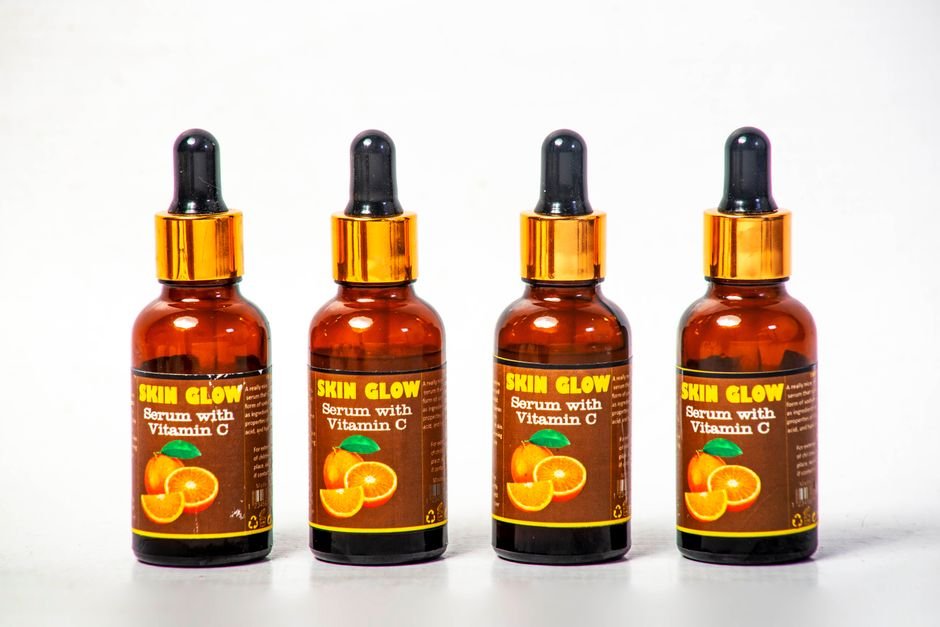
Niacinamide vs Vitamin C: Which K-Beauty Serum Goes First in 2026
Most 2026 K-beauty formulas use buffered or derivative forms that don’t have that problem.
Sensitive or reactive skin still benefits from spacing them into separate routines.
Jump to a Section
Why This Debate Keeps Coming Back
Search “niacinamide vitamin C together” and you’ll still find warnings from 2015-era blogs telling you to never mix the two. The claim traces back to a single lab study from the 1960s, run on pure L-ascorbic acid at high heat, with pure niacinamide, in a test tube — not on skin. That’s the whole basis for a rule that’s been repeated for six decades.
Most K-beauty formulas released since 2022 don’t use unstabilized ascorbic acid at all. Brands buffer it, pair it with ferulic acid, or swap in a derivative like sodium ascorbyl phosphate. That single fact quietly makes most of the old warning irrelevant.
Still worth asking, though.
Reactive skin doesn’t care what a lab study from 1963 says — it cares what happens when two actives hit it in the same five minutes. So the real question isn’t “can you combine them,” it’s “in what order, and how much room does your skin actually need.”
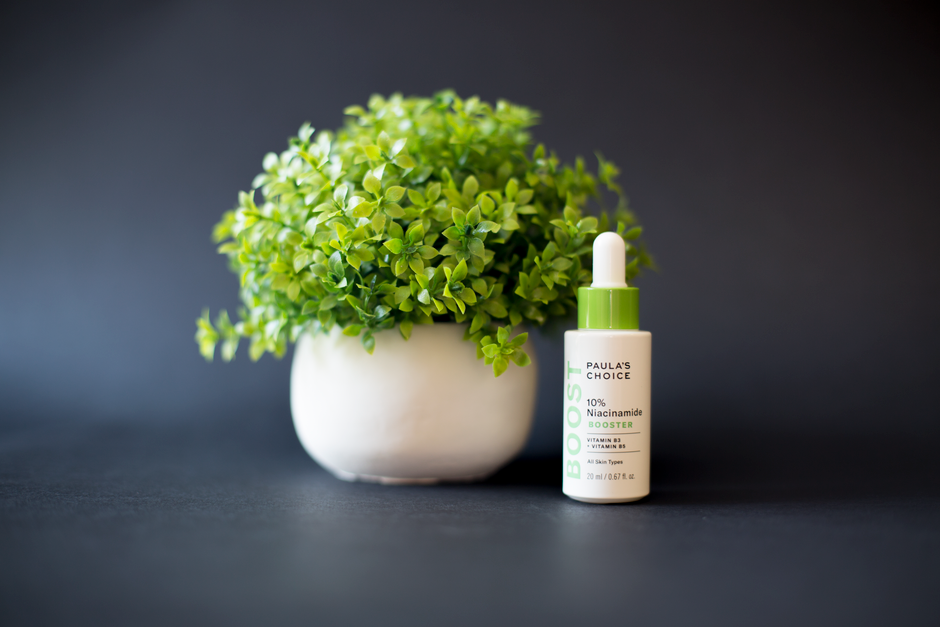
What Niacinamide and Vitamin C Actually Do
Niacinamide (Vitamin B3)
Niacinamide is the low-drama ingredient of the pair. It supports the skin barrier, calms redness, helps regulate oil production, and fades uneven tone over time. It’s stable at a wide pH range, which is why brands can put it in almost anything — toner, serum, moisturizer, even sunscreen — without much formulation risk.
When I checked ingredient lists across a dozen popular K-beauty niacinamide serums, the concentration almost always sat between 2% and 5%. Higher percentages (10%+) show up mostly in Western “treatment” serums, and for oily or acne-prone skin that jump can actually backfire — some users report more breakouts, not fewer, above 10%.
Vitamin C (Ascorbic Acid and Its Derivatives)
Vitamin C is the ingredient people reach for when dullness, dark spots, or sun damage are the complaint. It’s a genuine antioxidant — it helps neutralize free-radical damage from UV and pollution, and it plays a real role in collagen synthesis.
It’s also the pickier ingredient to formulate. Pure L-ascorbic acid oxidizes fast (that’s the yellow-to-brown color change you’ve probably seen in an old bottle), needs a low pH to stay active, and can sting on compromised skin. That’s exactly why the market moved toward buffered forms and derivatives — they trade a little potency for a lot more stability and tolerability.
Sun damage. Dullness. Dark spots.
That’s the short list vitamin C is actually built for — it’s not a general-purpose ingredient the way niacinamide is.
The Layering Order That Holds Up
The order that keeps showing up across dermatology-adjacent sources and ingredient chemists: cleanse, then vitamin C, then niacinamide, then moisturizer, then SPF in the morning.
The logic isn’t complicated. Vitamin C works best on truly clean skin at a lower pH, so it goes closest to the skin. Niacinamide is pH-flexible, so it doesn’t mind following behind. Give the vitamin C serum roughly a minute to absorb before the next step — you don’t need to time it with a stopwatch, but rushing straight into layer two on top of wet serum dilutes both products.
I found that pH mattered more than the marketing copy suggests. Vitamin C serums sitting in the 2.5–3.5 pH range are the ones formulated for real efficacy — if a bottle doesn’t list pH anywhere and feels closer to water than serum, that’s often a sign it’s diluted for gentleness rather than performance.
For nighttime, many K-beauty routines skip vitamin C entirely and let niacinamide pair with retinoids or other actives instead — vitamin C’s antioxidant job is really an AM job, since that’s when UV and pollution exposure happen.

Side-by-Side Comparison
| Factor | Niacinamide | Vitamin C |
|---|---|---|
| Best for | Barrier support, redness, oil control, texture | Dullness, dark spots, sun damage |
| Typical K-beauty strength | 2%–5% | 10%–20% (or gentler derivatives) |
| Stability | Very stable, wide pH range | Oxidizes fast; needs low pH and dark packaging |
| Sensitive skin fit | Generally well tolerated | Can sting on compromised or very dry skin |
| When to use | AM or PM, daily | AM preferred (antioxidant + UV protection role) |
| Layering position | After vitamin C | Right after cleansing |
Where People Go Wrong
Three mistakes come up over and over in this exact routine.
Buying a high-percentage vitamin C without checking the pH. A 20% concentration at the wrong pH does less than a well-formulated 10% at the correct pH. The number on the box isn’t the whole story.
Skipping the patch test on a new serum before adding a second active on top of it. If your skin reacts to vitamin C alone, adding niacinamide the same week makes it much harder to tell which ingredient caused the irritation. Our patch-testing guide walks through the safest way to introduce a new active before it goes into a full routine.
Introducing both actives on day one. Skin that’s new to actives generally does better starting with niacinamide alone for a week or two, then adding vitamin C once the barrier is confirmed to be tolerating things well.
None of these are dramatic failures. They’re just the difference between a routine that works in three weeks and one that takes three months.
Fitting Both Into a K-Beauty Routine
Neither ingredient works in isolation — they’re both slotted into a longer routine, and where they land depends on what else is already in it.
If you’re assembling a routine from scratch, our beginner K-beauty routine guide covers the full cleanse-to-SPF order step by step, including where a vitamin C or niacinamide serum actually sits among toners and essences. And if you haven’t picked a specific bottle yet, the current K-beauty serum roundup by skin type breaks down which formulas lean toward brightening versus barrier repair.
When I compared listed concentrations across both categories, the routines that performed best in reviews weren’t necessarily the highest-percentage ones — they were the ones where the vitamin C and niacinamide steps were spaced correctly and the rest of the routine (a real moisturizer, daily SPF) wasn’t skipped to make room for actives.
This isn’t medical advice — if you have a diagnosed skin condition or a history of reactions, a dermatologist’s input on introducing new actives is worth more than any routine guide, including this one.
Quick Questions
Can I use a serum that already combines both ingredients?
Yes — many current K-beauty formulas pre-combine stabilized vitamin C derivatives with niacinamide specifically because the compatibility issue was overstated. Check the derivative form used if you’re prone to sensitivity.
Do I need to wait between the two serums?
About a minute is enough for most people. Skin that runs sensitive can stretch that to two or three minutes without losing any benefit.
What if my skin still stings?
Drop back to niacinamide only for a week, then reintroduce vitamin C at a lower concentration. Stinging without redness is usually tolerable; stinging with visible redness is your skin asking you to back off.
✅ Next step: check the pH and derivative form on your current vitamin C bottle before assuming the “cancel each other out” myth applies to it.
Sources
- INCIDecoder — Niacinamide ingredient profile
- INCIDecoder — Ascorbic Acid (Vitamin C) ingredient profile
Fact-checked based on public ingredient-reference sources as of July 28, 2026. Product formulations and pricing change frequently — always check the current label on your specific bottle.