Apple Home vs Google Home vs Alexa: Which Actually Works Best With Matter Devices in 2026?
What This Compares
- What Does Matter Actually Change About Choosing a Platform?
- Which Platform Has the Strongest Thread Network?
- Does Local Processing Actually Matter for Privacy?
- Which Assistant Actually Understands What You Say?
- What Matter 1.3 Quietly Added
- The Trade-Offs the Marketing Pages Skip
- So Which One Should You Actually Pick?
- FAQ
- Sources
Matter is developed by the Connectivity Standards Alliance, a group whose members include Amazon, Apple, and Google, according to the CSA’s own description of the standard. The pitch was simple: buy any Matter-certified bulb, lock, or sensor, and it works with whichever ecosystem you already have.
That part of the promise mostly held up. What it did not do is make Apple Home, Google Home, and Alexa identical once a device is actually paired. When I compared the Thread border router lists and processing models for all three, the differences are still large enough to change which one you should pick.
What Does Matter Actually Change About Choosing a Platform?
Matter removes the worst-case scenario — buying a device that flatly will not work with your ecosystem. It does not remove ecosystem differences in voice quality, automation speed, or how much of your data leaves the house.
Here’s the part that trips people up. A Matter logo on the box tells you the device will pair. It tells you nothing about which platform will run its automations fastest, or which one keeps that data local instead of round-tripping to a cloud server.
Which Platform Has the Strongest Thread Network?
Apple Home can turn an Apple TV 4K, a HomePod mini, or a HomePod 2nd Gen into a Thread border router, and every additional one of those devices adds another border router to the mesh, according to MatterReviews’ 2026 platform comparison. More border routers generally means a more resilient Thread mesh across a larger home.
Google Home and Alexa both support Thread border routers too — a Nest Hub 2nd Gen or Google TV Streamer 4K for Google, an Echo 4th Gen or Echo Hub for Alexa — but the same source lists both as typically running one to two border routers rather than scaling with every compatible device you already own.
| Platform | Thread Border Router Hardware | Processing Model | Best For |
|---|---|---|---|
| Apple Home | Apple TV 4K, HomePod mini, HomePod 2nd Gen (scales with each device) | Automations run on-device | Privacy-focused, already-Apple households |
| Google Home | Nest Hub 2nd Gen, Google TV Streamer 4K (1–2 typical) | Cloud-dependent | Best voice recognition, mixed-brand homes |
| Amazon Alexa | Echo 4th Gen, Echo Hub (1–2 typical) | Partial local processing | Widest device catalog, easiest setup |
Does Local Processing Actually Matter for Privacy?
Apple Home runs automations on-device, meaning the trigger-and-action logic for your smart home does not need to reach Apple’s servers to function, per MatterReviews’ 2026 breakdown. Google Home’s automations are described as cloud-dependent in the same comparison, which means they can stall or fail outright during a Google service outage — something that has happened publicly to Google Home users before.
Alexa sits in between, with partial local processing depending on the device and automation type. If you have ever had a routine fail because your internet blipped for ten seconds, this is why: the platform was reaching out to a server that briefly wasn’t there.
This part matters more the more your home depends on automations rather than manual app taps. A household running two or three basic schedules barely notices the difference. A household running twenty interlocking routines notices immediately when one platform needs the cloud and the other doesn’t.
Which Assistant Actually Understands What You Say?
Google’s speech recognition is the one most reviewers rate as more accurate with accents, background noise, and kids’ voices — a real factor if more than one person in the house is issuing commands. Alexa is described as competent but more prone to stumbling on complex or oddly-phrased requests.
I found that this gap gets underweighted in most buying guides, which tend to focus entirely on device catalogs and Thread specs. Voice recognition quality is the difference between “turn off the living room lights” working on the first try and needing to repeat yourself, which adds up over months of daily use in a way a spec sheet never captures.
What Matter 1.3 Quietly Added
Matter’s first release covered the basics — bulbs, switches, locks, sensors. As of Matter 1.3, the standard added support for cameras, HVAC, and major appliances, categories that simply were not part of the original spec, according to MatterReviews’ 2026 comparison. Apple Home is currently described as having the broadest support for these newer Matter 1.3+ device types.
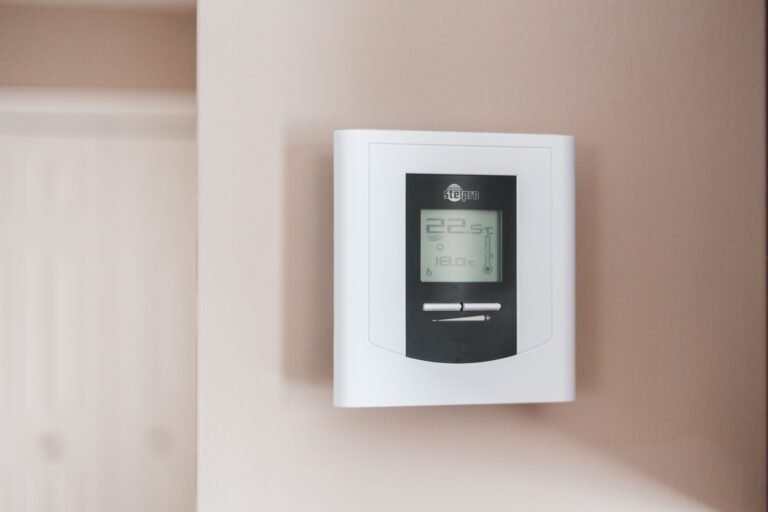
When I checked how this plays out in practice, it means a Matter-certified thermostat or camera bought today has a real chance of working the same way across all three platforms — something that would have needed a brand-specific app just two years ago.
The Trade-Offs the Marketing Pages Skip
A few things worth checking before you commit a household to one ecosystem:
- Switching platforms after you already own dozens of devices is not free. Some devices need to be factory-reset and re-paired, and any platform-specific automation you built has to be rebuilt from scratch.
- “Matter-certified” does not guarantee every feature of a device works identically everywhere. Some manufacturer-specific features (unique color effects, proprietary sensors) still require the brand’s own app on top of Matter’s baseline control.
- Border router count is not just a spec — it is the difference between a light at the far end of the house responding instantly or lagging every single time.
Honestly, the fastest way to pick wrong is choosing based on which speaker sounds best in a showroom instead of which phone is already in everyone’s pocket.
So Which One Should You Actually Pick?
Pick Apple Home if your household is already on iPhones and you want automations that don’t depend on an internet connection to fire correctly. Pick Google Home if voice accuracy across different speakers in the house matters more to you than local processing. Pick Alexa if you want the broadest device catalog and the least friction getting a random smart plug or sensor working on day one.
FAQ
Do I need to pick just one ecosystem for all my Matter devices?
No. Matter devices can be controlled by more than one platform at once in many cases, but automations and routines are usually platform-specific, so most households still settle on one primary app for day-to-day control.
Does Matter fix devices that already stopped working after setup?
Not automatically. Matter standardizes pairing and basic control, but post-setup bugs (missing features, dropped connections) are usually platform or firmware issues, not something the Matter standard itself resolves.
Is Apple Home’s local processing actually faster than Google or Alexa?
It tends to be more consistent rather than dramatically faster under normal conditions, since it does not need a round trip to a cloud server. The difference shows up most clearly during internet outages or slow connections, when cloud-dependent platforms can lag or fail.
Sources
- Connectivity Standards Alliance: What Is Matter
- MatterReviews: Google Home vs Apple Home vs Alexa for Matter Devices (2026)
- Dobre Solutions: Alexa vs Google Home 2026 Comparison
🔗 Related guides
Not sponsored by Apple, Google, or Amazon. Specs and comparisons referenced above reflect public sources as of September 14, 2026 and may change with future software updates. Fact-checked based on public sources as of September 14, 2026.