Matter Smart Home Device Missing Features After Setup? Here’s the Real Fix (2026)
Quick answer: If a Matter device pairs fine but is missing controls you expected, the problem is almost never the device itself. It’s a mismatch between what the device supports, what your smart home platform (Google Home, Alexa, Apple Home, or SmartThings) has actually implemented, and what that platform’s app bothers to expose. Fixing it means checking all three layers, not just resetting the device.
A Matter badge on the box promises one thing: that the device will pair with any Matter controller. It never promised that every feature on that device will show up once it’s paired, and in 2026 that gap is exactly where most of the frustration is coming from.
When I checked how the major platforms describe their own Matter support, the pattern was consistent: SmartThings moved fastest and had Matter 1.5 largely implemented within weeks of release, while Google Home and Amazon Alexa were still catching up to 1.0 and 1.2-era feature sets on several device categories. That gap between the spec version on the box and the spec version your hub actually understands is the root cause behind most “missing feature” complaints.
Quick Facts Before the Troubleshooting
- Why Is My Matter Device Missing Features After Setup?
- How Do I Check Which Matter Version My Hub Actually Supports?
- What’s the Three-Layer Fix for Missing Matter Features?
- Real Examples: Where This Breaks Down in 2026
- Should You Buy a New Matter Device Right Now?
Why Is My Matter Device Missing Features After Setup?
A Matter device only exposes the features that both the device and the controller agree on — not the full feature set the manufacturer built into it.
Manufacturers keep shipping devices with newer Matter firmware (1.4 and 1.5 as of mid-2026) because that’s the current spec. Platforms don’t update on the same schedule. Google Home and Amazon Alexa, in particular, have been slower to roll out full support for the camera, doorbell, and energy-monitoring features that 1.4 and 1.5 introduced, so a device can pair successfully and still show up looking stripped-down compared to its own companion app.
This part trips a lot of people up: the device isn’t broken, and neither is the pairing. The Matter badge is a promise about a shared local language, not a promise that every app speaking that language understands every word of it.
How Do I Check Which Matter Version My Hub Actually Supports?
Start with the platform, not the device, since that’s usually where the ceiling is.
Apple Home, Google Home, Amazon Alexa, and SmartThings each publish their own Matter support pages, and reading them side by side is the fastest way to find out where your specific hub is stuck. As of 2026, SmartThings is the platform furthest along on newer categories like Matter cameras and doorbells; Google Home and Alexa lag on several of the same categories.
If your hub’s page doesn’t mention a feature your device claims to support — energy reporting, for example, or a specific sensor type — that’s your answer before you even open the app. No firmware update on the device side will fix a feature the controller hasn’t implemented yet.
What’s the Three-Layer Fix for Missing Matter Features?
In my experience going through these support threads, working device, controller, and app in that order before you consider a reset or a return catches the real cause almost every time.
- Device firmware: Confirm the device is updated to its latest firmware through the manufacturer’s own app first, since Matter support is often added in a firmware update after launch.
- Controller support: Check whether your hub (Home Assistant, Apple Home, Google Home, Alexa, or SmartThings) has published support for that specific feature category, not just for Matter in general.
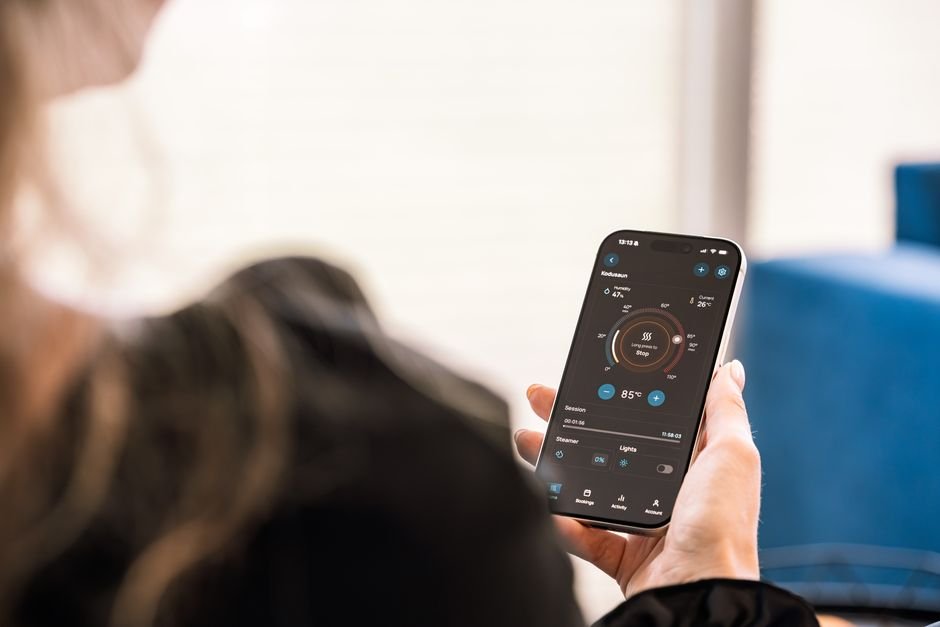
- App or automation interface: Even when a controller technically understands a feature, the app has to turn it into a visible control or automation trigger. Some platforms support a feature at the protocol level months before it appears in the consumer app.
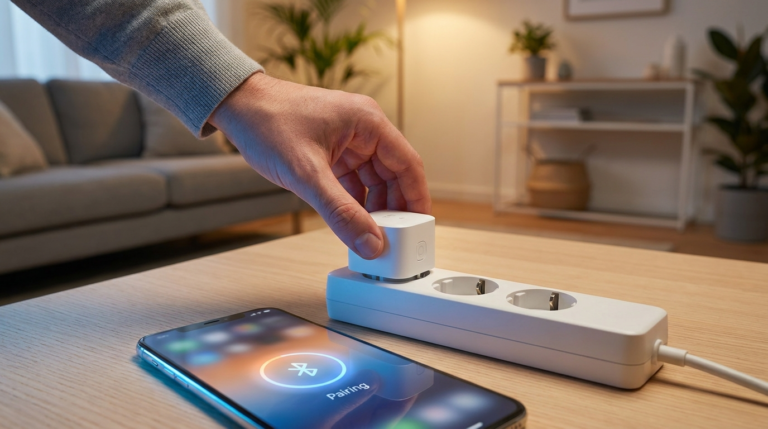
Resetting the device only helps if the problem is actually a broken commissioning process — not a features gap. A common resetting mistake is a Wi-Fi band mismatch during setup: your phone on 5GHz trying to commission a device that only advertises on 2.4GHz. That shows up as a failed pairing, not a missing-feature issue, so it’s worth ruling out separately.
Real Examples: Where This Breaks Down in 2026
Two 2026 product complaints show the pattern clearly, and neither one is actually a defective unit.
| Device / Situation | What Buyers Expected | What Actually Happened |
|---|---|---|
| IKEA remote control (Bilresa line) | Full remote functionality inside Google Home | Does not work correctly in the Google ecosystem; feature gap on Google’s side, not a defect |
| Water leak sensor (IKEA Klippbok) | Leak alerts through Amazon Alexa | Fails to integrate with Alexa because Amazon doesn’t yet support leak sensors over Matter |
| Matter camera or doorbell (general) | Full video features across any Matter hub | Only SmartThings currently exposes the newer Matter 1.5 camera building blocks |
Reading through these cases, the common thread isn’t the device brand — it’s which platform the buyer happened to pick. The same sensor that fails silently on Alexa can work as advertised on SmartThings, and that split isn’t documented anywhere obvious at the point of purchase.
Should You Buy a New Matter Device Right Now?
Buying Matter devices in 2026 still makes sense if your expectations match what your specific platform actually supports today, not what the box promises in general.
Before adding anything new, check your primary hub’s published Matter version support for that device’s category specifically — cameras, sensors, and locks are not guaranteed to be at the same support level even on the same platform. A hub that’s caught up on basic switches and plugs can still be months behind on newer categories like leak sensors or video devices.
You’ll probably notice that cross-brand setups (an IKEA sensor next to a Google hub next to an Alexa speaker) are where these gaps show up most, simply because each pairing is a different combination of device firmware and controller support to check.
What to Check Before You Contact Support
- ✅ Confirm the device firmware is current through the manufacturer’s own app, not just the smart home app.
- ✅ Look up your specific hub’s Matter version and feature support page before assuming the device is faulty.
- ✅ If pairing fails outright, check that your phone and the device are on the same Wi-Fi band during setup.
- ✅ Screenshot the missing feature and compare it against the platform’s own documented Matter support list before opening a support ticket — it speeds up the conversation considerably.
Where People Waste Time on This
The most common mistake is factory-resetting a device repeatedly, assuming a bad pairing, when the actual issue is a controller that simply hasn’t implemented that feature category yet. Resetting won’t add a feature the hub doesn’t support.
A second mistake: assuming “Matter certified” means feature parity across ecosystems. It means baseline interoperability — on-off, basic sensing, basic control. Anything beyond that baseline is platform-dependent, and that’s not a bug, it’s how the current spec was designed to roll out.
A quieter one: blaming the manufacturer for a controller-side gap. IKEA’s Klippbok sensor issue, for example, is a documented Alexa limitation, not a defect in the sensor itself.
FAQ
Why does my Matter device pair but show fewer features than advertised?
Because pairing only requires baseline Matter compatibility. Advanced features also need your specific smart home platform to support that feature category and your app to expose it, and platforms like Google Home and Alexa often lag behind newer Matter versions.
Does resetting a Matter device fix missing features?
Usually not. Resetting fixes broken commissioning, such as a Wi-Fi band mismatch, but it cannot add a feature your smart home controller has not implemented yet.
Which smart home platform supports Matter 1.5 the best in 2026?
SmartThings has been the fastest to roll out newer Matter 1.5 features, including camera and doorbell building blocks, while Google Home and Amazon Alexa have been slower to catch up on several device categories.
Sources
- Terry White’s Tech Blog: Why Matter Still Has Gaps in 2026
- Matter-Smarthome.de: The Matter Standard in 2026 — A Status Review
- Tara Guides: Why Is Your Matter Device Missing Features?
Fact-checked based on public sources as of August 31, 2026.