How to Stop Your Dog Barking When Left Alone in an Apartment
Apartment barking complaints trace back to one of two very different dogs: a bored dog reacting to hallway sounds, or a panicked dog with separation anxiety. The fix for one makes the other worse. So before buying a single gadget, your first job is figuring out which dog lives in your place.
Contents
The 7-Step Fix
Step 1: Film a normal departure
Prop up an old phone or a cheap camera facing the door and leave like you always do. Watch the first 30 minutes at double speed. You’re looking for two things: how soon the barking starts, and what the body language looks like between barks. Pacing, drooling and door-scratching signal anxiety. Napping punctuated by bark bursts signals triggers.
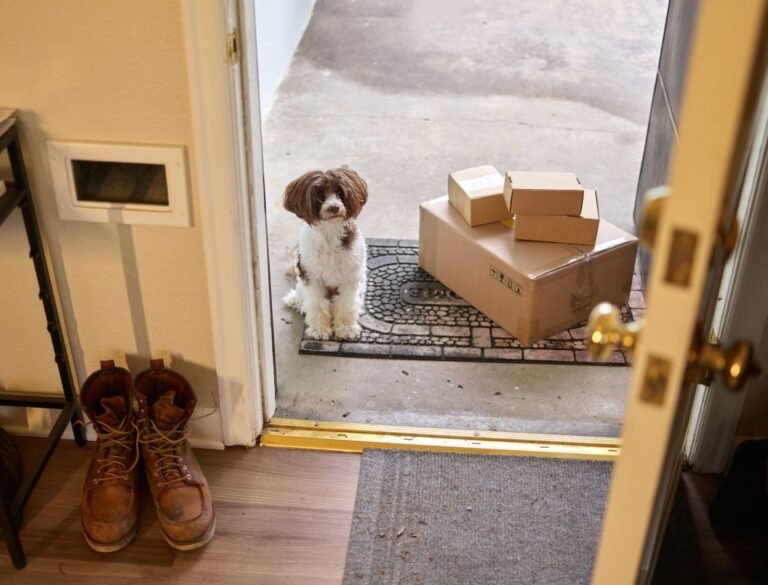
Owners posting their first recordings in training forums report the same surprise again and again: a dog described as “barking all day” turns out to make two short bursts, both at delivery hours. A finding like that changes the entire plan.
Step 2: Remove the triggers you can see and hear
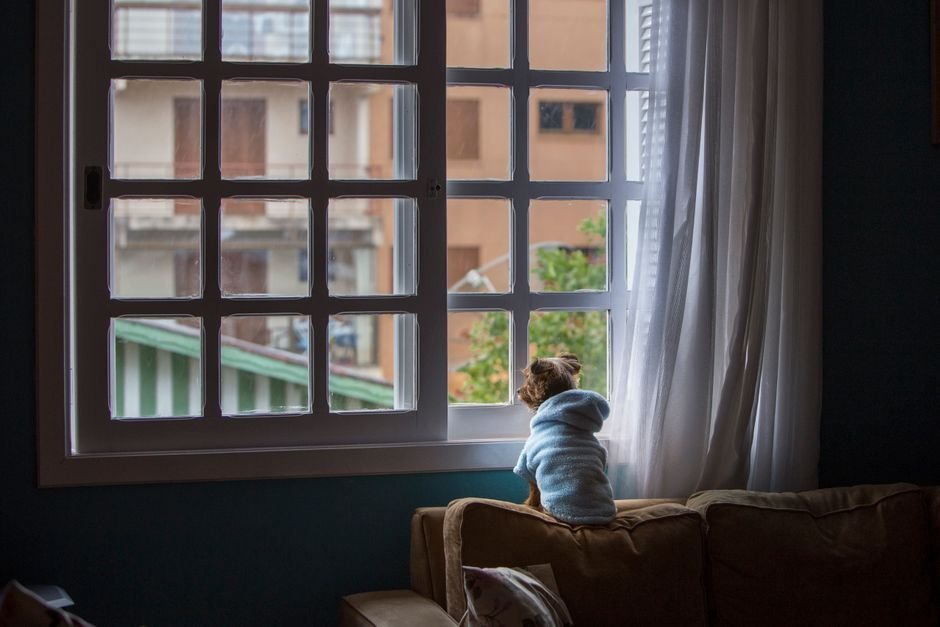
Trigger barkers need a duller apartment. Put frosted film on the window your dog patrols. Move the dog bed away from the shared wall. Run a white noise machine or a fan near the front door — hallway footsteps are the classic apartment trigger. Cheap changes, and for pure trigger barkers they do most of the work.
Step 3: Defuse your departure cues
Dogs learn the pre-exit ritual long before the door opens. Keys, shoes, coat — each one starts the stress clock early. Pick up your keys, then sit back down and watch TV. Put your shoes on, then make coffee. Repeat until the cues predict nothing. Boring is the goal.
Step 4: Practice micro-absences
Step out, count to 30, come back before the barking starts. Calm return, no party. Stretch it to 2 minutes, then 5, then 15 over days, not hours. Reading the ASPCA protocol closely, I found that it prescribes a pace far slower than feels reasonable — and that’s deliberate. Jumping from 2 minutes to 20 usually resets the whole process, and you end up behind where you started.
Step 5: Schedule real exercise before alone time
A slow “sniffy” walk of 30 to 40 minutes tires a dog’s brain more than a fast march around the block. Aim to be back about 20 minutes before you leave so the dog has settled rather than still being amped when the door closes.
Step 6: Give the apartment a job to do
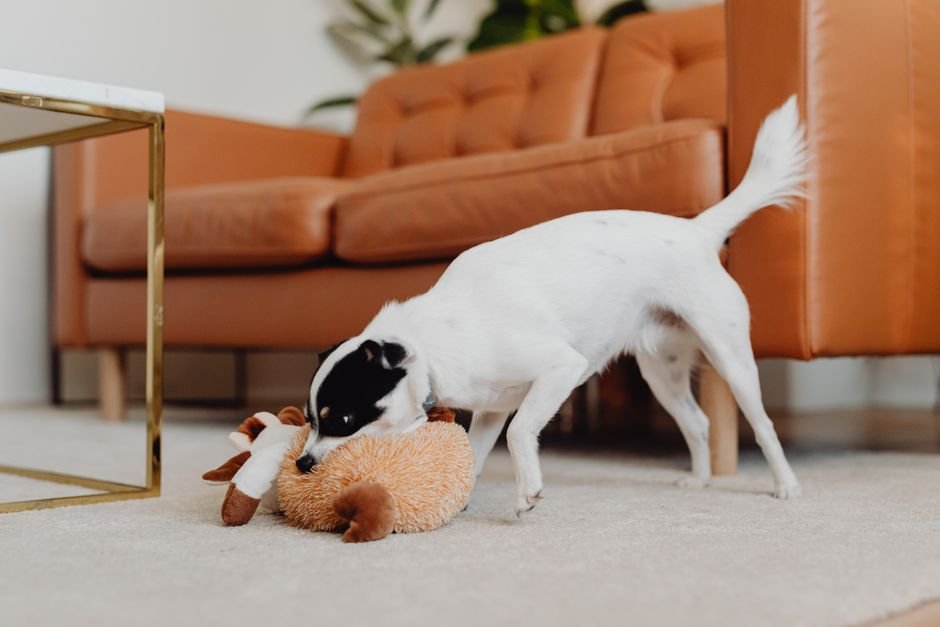
A frozen food-stuffed toy buys 20 to 40 quiet minutes right at the highest-risk window after you leave. Puzzle feeders and scatter-fed kibble across a snuffle mat work too — we compared the ones worth buying in our apartment dog puzzle toy guide. One rule: these are alone-time-only items. If they’re available all day, they lose their power exactly when you need it.
Step 7: Call in help when training stalls
If two to three weeks of consistent work moves nothing, stop guessing. A vet visit rules out pain, thyroid issues and — in older dogs — cognitive decline, all of which can present as vocalizing. For true separation anxiety, the ASPCA’s guidance is clear that severe cases may need a certified behaviorist and sometimes medication. Meds are a tool, not a failure.
Tips
- Tell your neighbors you’re actively working on it and give them a rough timeline. A note on the door buys enormous goodwill.
- Keep a one-line log per day: minutes alone, barking yes/no, what changed. Patterns show up by day 10 that you’d never spot from memory.
- Honestly, that’s usually enough for trigger barkers — steps 2 and 6 alone solve a surprising share of cases.
- If dander and shedding are the other apartment battle you’re fighting, our pet-hair air purifier comparison covers that side of peaceful coexistence.
Warnings
⚠️ Skip shock and spray bark collars for a dog that’s anxious. Punishing panic reliably deepens it, and you often trade barking for chewing or self-injury.
⚠️ Never scold after the fact. A dog greeted with anger 4 hours after barking connects nothing — except that your arrival is now scary, which feeds the cycle.
⚠️ Sudden new barking in a senior dog deserves a vet appointment before a training plan.
References
Q&A
How long until it’s quiet?
Trigger barking often improves in 1 to 3 weeks. Separation anxiety is a months-scale project — slow, but the success rate with proper desensitization is genuinely good.
Do calming supplements work?
Evidence is mixed and product quality varies wildly. If you try one, read the label the way we describe in our supplement label guide — the same tricks appear on pet products — and clear it with your vet first.
Would a second dog keep him company?
Usually not. Separation anxiety is about missing you, not company in general. The common outcome is two dogs barking in harmony.
Start tonight: set up the camera, film tomorrow’s departure, and pick your dog’s category before changing anything else. Everything after that is just working the matching steps in order.
Fact-checked based on public sources as of July 26, 2026. This is general training information, not a substitute for advice from your veterinarian or a certified behaviorist.
Frequently Asked Questions
Will a bark collar stop the barking faster?
For an anxious dog, no. Shock or spray collars tend to deepen panic and can shift the behavior into chewing or self-injury rather than solving it. They also do nothing about the underlying trigger, which is why most trainers advise against them for alone-time barking.
My landlord gave me a deadline. Can I speed the training up?
You can front-load the environmental fixes, such as blocking the window view, masking hallway noise, and adding a food puzzle, which often help a trigger barker within days. True separation anxiety cannot be safely rushed, so if the deadline is tight, tell your landlord you are actively working on it and loop in a vet or certified behaviorist early.
Is some barking normal for a puppy left alone, and do I treat it the same way?
A bit of vocalizing while a young puppy adjusts to being alone is common, and the same gradual micro-absence training applies, just with shorter sessions. Sudden, intense, or self-harming reactions still warrant a vet check rather than waiting it out.