

Wet vs Dry Dog Food for Senior Dogs: 2026 Comparison
A 12-year-old dog drinking less water than he used to is the most common reason vets nudge owners toward wet food. Moisture is the real dividing line between the two formats — most of the other advertised differences are smaller than the packaging suggests.
What This Comparison Covers
- Wet vs Dry at a Glance
- Hydration: the Real Argument for Wet
- The Kibble-Cleans-Teeth Claim
- Appetite and Aroma
- The Cost Math Nobody Runs
- The 50/50 Answer
- Switching Without Stomach Trouble
- Warnings
- FAQ
- References
Wet vs Dry at a Glance
| Wet food | Dry food | |
|---|---|---|
| Moisture | ~70–80% | ~10% |
| Ease on worn teeth | Soft, minimal chewing needed | Requires real chewing |
| Appetite appeal | Strong aroma, stronger when warmed | Mild |
| Cost per calorie | Roughly 2–3x dry | Cheapest option |
| Storage | Refrigerate after opening, use fast | Weeks in a sealed bin |
| Calorie control | Lower calorie density helps weight loss | Dense — easy to overfeed |
| Best for | Dental pain, low thirst, picky seniors | Healthy teeth, tight budgets, grazers |
Hydration: the Real Argument for Wet
Senior dogs often drink less, and aging kidneys appreciate every bit of water that arrives with dinner. A cup of wet food carries most of its weight as moisture, which quietly tops up dogs who ignore the water bowl. The AKC’s senior nutrition guidance flags hydration and calorie adjustment as the two levers that matter most as dogs age.
If your dog has diagnosed kidney disease, this stops being a format question and becomes a prescription-diet conversation with your vet.
The Kibble-Cleans-Teeth Claim
Overrated. The abrasion from ordinary kibble is real but modest — a few chews per piece doesn’t scrub much. Dental-specific diets with a veterinary seal do measurably better, and daily brushing beats both. What is true: a dog with painful teeth will quietly eat less kibble, and owners often read that as pickiness. When I checked veterinary dental guidance on this, the flag that keeps coming up is slow, one-sided chewing — a “picky” dog is often just a dog with a sore mouth.
Appetite and Aroma
Smell drives a senior dog’s appetite more than taste. Wet food simply broadcasts more of it.
Shelter staff and vets repeat one trick constantly: warm the wet food for about 10 seconds before serving. It often does more for a picky senior than switching brands. Try it before assuming the food itself is the problem.
The Cost Math Nobody Runs
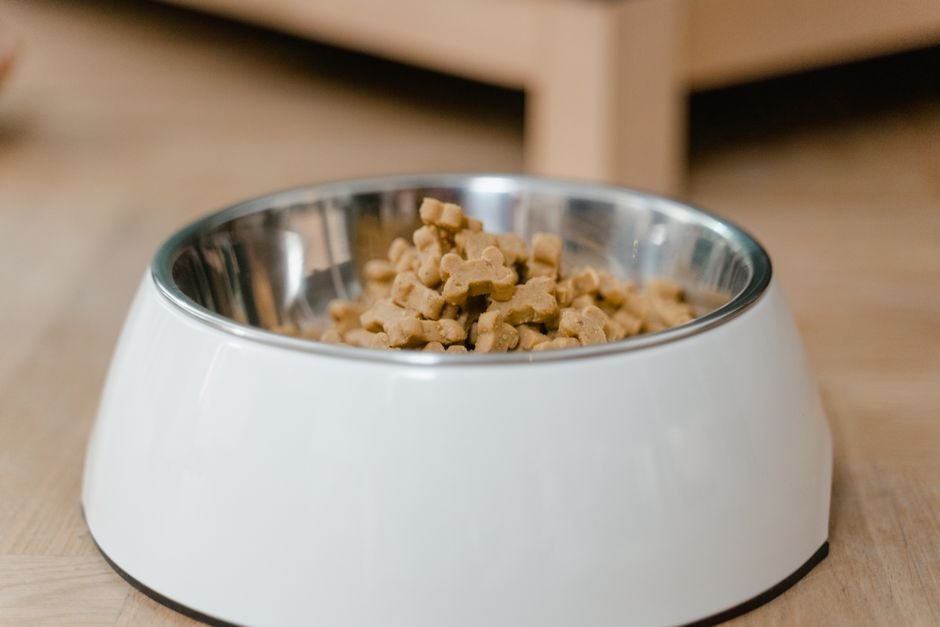
Run it once for your own dog and the mix strategy usually writes itself. Feeding a 25-pound senior entirely on wet food typically lands somewhere around $4–6 a day at mid-range prices. The same calories from mid-range kibble come in closer to $1.50–2. Over a month that gap is real money — and it’s exactly why the topper approach below is so popular.
All-wet is the expensive end and all-dry is the cheap one. Slide the mix to where your dog actually eats and see what the month looks like.
Guide: about $4 to $6 for a 25-pound senior at mid-range prices
Guide: roughly 2 to 3x per calorie
A planning estimate built on the ranges cited above, not a feeding plan. Portion sizes depend on your dog’s weight, body condition, and calorie needs, and a senior with a diagnosed condition should be fed to the vet’s instructions rather than a spreadsheet.
The 50/50 Answer
Most owners of aging dogs end up here: a kibble base for cost and convenience, with a wet topper for moisture and smell. Even a 25% wet topper changes the aroma of the whole bowl. You’ll probably notice the bowl empties faster from day one — the stronger smell is usually all it takes.
Switching Without Stomach Trouble
- Days 1–3: 75% current food, 25% new
- Days 4–6: 50/50
- Days 7–9: 25% current, 75% new
- Day 10: full switch — slow down if stools go soft at any stage
Warnings
⚠️ This is general nutrition information, not veterinary advice. Dogs with kidney disease, diabetes, pancreatitis or significant dental disease need a vet-guided diet, not a blog-guided one.
⚠️ Sudden appetite loss in a senior dog is a vet visit, not a food-shopping trip. Don’t spend two weeks rotating brands while a medical issue goes unexamined.
⚠️ Wet food left out spoils within hours, faster in summer. Pick up what isn’t eaten within the hour.
FAQ
Is grain-free better for seniors?
There’s no evidence a healthy senior needs grain-free, and the veterinary nutrition consensus favors complete-and-balanced formulas from established brands over trend diets. Ask your vet before going boutique.
My senior started barking and pacing when left alone — could food fix that?
Unlikely. New vocalizing in an older dog can signal cognitive decline and deserves a vet check. For the behavior side, our alone-time barking guide covers what actually helps.
Should I add senior supplements too?
Maybe — quality varies enormously. The label-reading traps are identical to human products, and our supplement label guide shows exactly what to check before paying for one.
References
- 📌 AKC — Nutritional Needs for Senior Dogs
- 📌 PetMD — Dry vs. Wet Dog Food
- 📌 Purina — Wet vs. Dry Dog Food
Next feeding, do three things: watch which side of the mouth your dog chews on, check the water bowl level against a week ago, and price your current food per day. Those three data points decide this comparison better than any brand list.
Fact-checked based on public sources as of July 26, 2026. Prices are approximate mid-range figures at publication time.