
Waking Up at 3 AM Every Night: What’s Actually Going On (2026)
By Emma Choi · Wellness Lab · Last updated July 28, 2026 · 3 sources reviewed
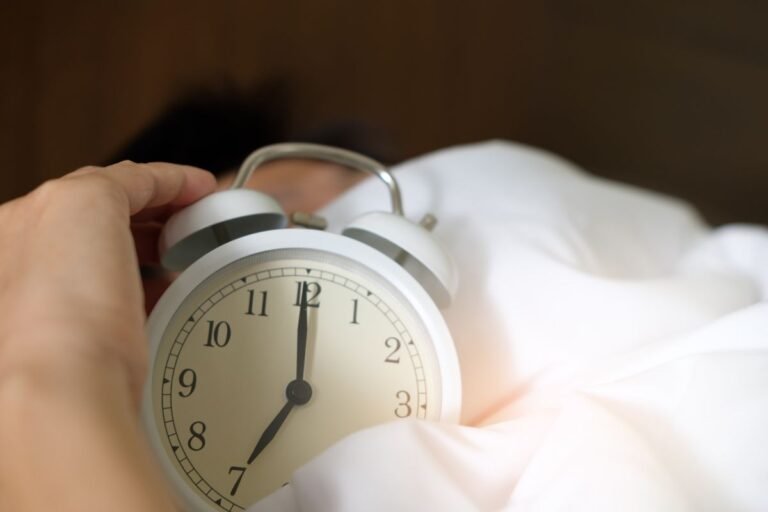
You open your eyes. The room is dark, the house is quiet, and the clock says 3:12. Again. If this has happened four or five nights this week, you’ve probably already tried the obvious fixes — no phone before bed, blackout curtains, maybe a magnesium supplement. And you’re still awake at 3 AM.
This isn’t random bad luck. There’s a specific physiological reason your body keeps choosing roughly the same hour, and a shorter list of reasons than most articles suggest.
How to Choose the Right Magnesium Supplement for You
Jump to a Section
- 1. Why your body picks 3 AM
- 2. The five most common culprits
- 3. What actually helps
- 4. When it’s a bigger signal
- 5. Quick questions
Why Your Body Picks 3 AM (Not Randomly)
Core body temperature bottoms out in the early hours of the morning, and cortisol — the hormone that helps you wake up and feel alert — starts climbing well before your alarm goes off. NIH research on sleep patterns puts that cortisol rise roughly 2 to 3 hours before typical wake time for most adults, which for a lot of people lands right around 3 to 4 AM.
On top of that timing, deep sleep is front-loaded into the first half of the night. By the third or fourth hour, you’re cycling through lighter stages more often. Any small disruption — a full bladder, a noise, a slightly warm room — has a much better chance of fully waking you during a light-sleep window than it would at 1 AM.
None of this is a malfunction. It’s the sleep cycle doing what it’s built to do. The problem shows up when something extra is layered on top — stress hormones running high, alcohol wearing off, or a room that’s too warm — and instead of drifting back down, you’re wide awake.

The Five Most Common Culprits
When I checked the clinical write-ups against reader forum threads on this exact symptom, the same five causes kept coming up in a fairly consistent order. Here’s how they stack up side by side, something most articles on this topic don’t lay out directly.
| Cause | What It Feels Like | Typical Fix | See a Doctor If |
|---|---|---|---|
| Stress & elevated cortisol | Mind racing the second you wake, hard to switch off | Wind-down routine, journaling before bed, cutting late caffeine | Happens 5+ nights a week for a month |
| Alcohol late in the evening | Falls asleep fast, wakes a few hours later wired | Stop drinking within 3 hours of bedtime | Rarely medical on its own |
| Bedroom too warm | Waking sweaty or kicking off blankets | Drop room temp to roughly 65–68°F | Not medical, adjust environment first |
| Sleep apnea | Gasping, choking sensation, loud snoring reported by a partner | Sleep study, CPAP if diagnosed | Any gasping or witnessed pauses in breathing |
| Acid reflux (GERD) | Burning sensation, sour taste, worse lying flat | Avoid eating 3 hours before bed, elevate head of bed | Symptoms most nights for 2+ weeks |
Stress and alcohol explain most of the occasional cases. The last two on that list are the ones worth taking seriously, and they’re also the ones people tend to explain away the longest.
What Actually Helps
Most sleep advice is generic enough to apply to any sleep problem. Here’s what’s specific to the 3 AM pattern.
- ✅ If you’re awake more than 20 minutes, get up and sit somewhere dim rather than lying there fighting it. Lying awake trying to force sleep tends to backfire.
- ✅ Keep the room cooler than feels comfortable at bedtime — most people run their bedroom a few degrees too warm.
- ✅ Cut alcohol on nights you want unbroken sleep, even one drink can be enough to trigger a mid-night wake.
- ✅ Write down whatever’s looping in your head before bed. A one-line list, nothing elaborate.
- ✅ Track the wake-up time for two weeks. A pattern that’s shifting or paired with gasping matters more than one that’s steady and mild.
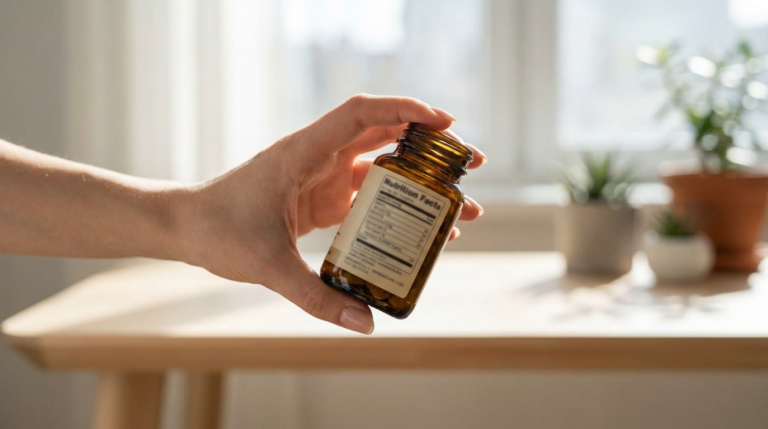
If magnesium or another supplement is part of your routine, it is worth checking the label the way you would check a food ingredient list — here is how to read a supplement label like a pro before assuming a product is doing what it claims.
This part trips a lot of people up: they treat the 3 AM wake-up and the falling-asleep problem as the same issue. They’re not always related, and the fix for one doesn’t automatically fix the other.
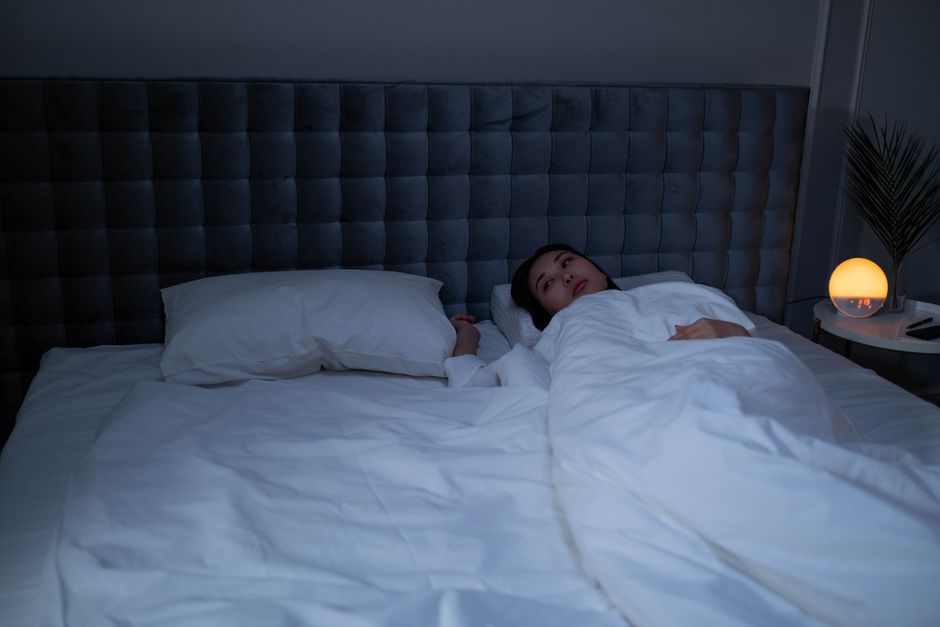
I found that Harvard Health’s sleep resources and the forum threads I read line up on one point that’s easy to miss: checking the clock repeatedly during a wake-up tends to extend it. The anxiety about being awake often outlasts whatever woke you up in the first place.
When It’s a Bigger Signal
This article is general wellness information, not medical advice. If nighttime waking is frequent, worsening, or paired with other symptoms, talk to a doctor or a sleep specialist rather than relying on self-treatment.
⚠️ Gasping, choking, or a partner reporting pauses in your breathing — sleep apnea needs a proper evaluation, not a supplement.
⚠️ Waking at 3 AM most nights alongside low mood, appetite changes, or loss of interest in things you normally enjoy can be a depression symptom rather than a sleep-hygiene issue. Cleveland Clinic’s insomnia overview covers this overlap in more detail.
⚠️ A burning sensation or persistent cough that’s worse lying flat points toward reflux, which usually needs more than a cooler room to fix.
Two or three weeks of consistent sleep-hygiene changes with no improvement is a reasonable point to book an appointment instead of trying another home remedy.
Quick Questions
Is waking at the exact same time every night meaningful?
Somewhat. It usually points to a consistent physiological trigger like cortisol timing rather than random noise, but the exact minute matters less than whether it’s happening most nights.
Does melatonin help with 3 AM waking specifically?
Melatonin is mainly built for falling asleep, not staying asleep, so it’s a weaker fit for this particular pattern than for sleep-onset trouble.
Should I just get up when this happens?
If 20 to 30 minutes pass with no drifting off, getting up briefly in dim light is generally better than lying there watching the clock.
Track the pattern for two weeks. If it’s easing off with the habit changes above, keep going. If it isn’t, or if breathing symptoms show up, that’s the point to call a doctor instead of trying another fix from a list.
Sources
- National Heart, Lung, and Blood Institute (NIH) — Sleep Deprivation and Deficiency
- Harvard Health Publishing — Sleep
- Cleveland Clinic — Insomnia
Fact-checked based on public sources as of July 28, 2026.