Pokémon vs One Piece vs Lorcana: Which TCG to Collect in 2026?
By Jordan Lee, Collectibles Editor · Last updated August 6, 2026 · 4 sources checked
Which App Pays the Most for Secondhand Clothes in 2026?
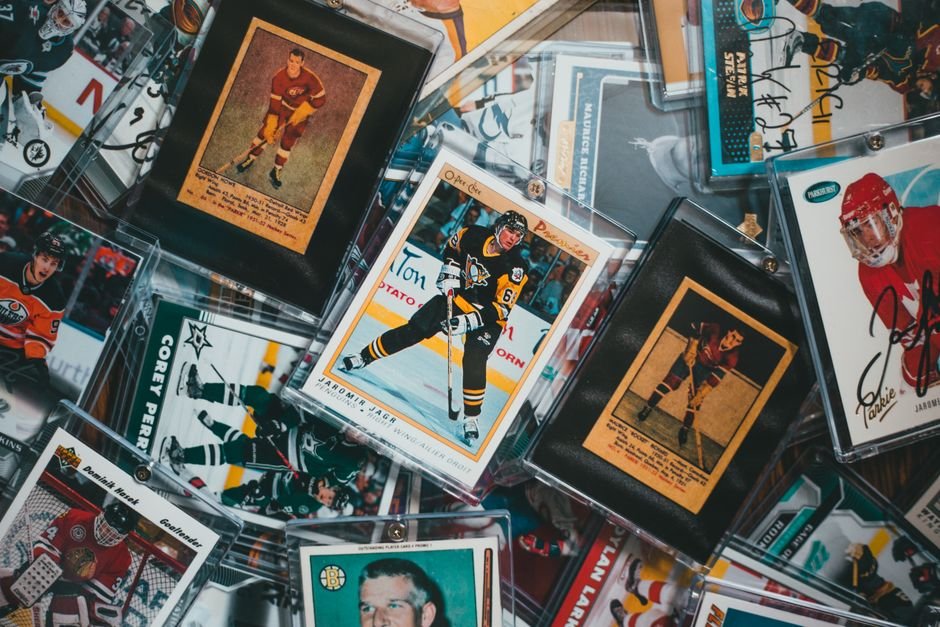
A single sealed booster box can now cost more than a game console, and that alone tells you where this hobby is heading. Trading card games stopped being just a kids’ pastime a long time ago. In my experience, the cards that actually hold value are rarely the flashy chase cards everyone fights over on release day — they are the sealed products people forget in a closet for five years. This comparison looks at the five games readers ask about most and scores each one as both a hobby and a store of value.
How TCGs became an asset class
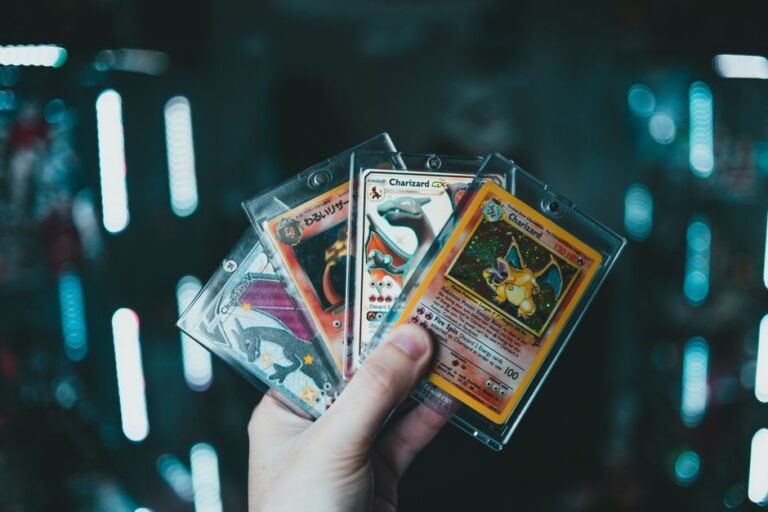
Two things changed the game. Grading went mainstream, and marketplaces made price history public. Once a graded card could be looked up in seconds, it stopped being worth whatever the local shop felt like charging and started trading like a small commodity. Two grading companies dominate now — PSA and CGC — and a clean slab from either can multiply a card’s price. I found that the entry price gap between these five games is far wider than most beginners expect. One you can start for the price of lunch. Another asks for a real budget before you own anything rare.
Liquidity matters more than hype. A card is only worth something if a buyer will actually pay this week. Most of that flipping happens on eBay, TCGplayer, StockX, and live-selling apps like Whatnot. That is where community size quietly decides everything.
2026 ranking at a glance
Here is how the five stack up. Rankings weigh four things. Collectibility. Resale demand. Cost to start. And how active each player base really is.
| Rank / Game | Collectibility | Resale demand | Entry cost | Community size |
|---|---|---|---|---|
| 1. Pokémon | Elite. Three decades of brand memory. | Deepest buyer pool of any card game | Low to sky-high — you choose | Massive and global |
| 2. One Piece TCG | Rising fast; the anime keeps feeding it | Hot right now, still young | Moderate; wanted cards climb quickly | Large and growing hard |
| 3. Disney Lorcana | Strong art plus huge IP recognition | Steady, with less speculative froth | Friendliest for beginners | Mid-sized but loyal |
| 4. Magic: The Gathering | The original. Blue-chip vintage cards. | Selective — reserved-list pieces mostly | Can get expensive fast | Huge but spread across many formats |
| 5. Yu-Gi-Oh! | Nostalgia-heavy, with a niche high end | Uneven; a handful of cards carry it | Cheap to play, pricey to chase | Dedicated, smaller than the top two |
The five games, ranked
1. Pokémon — the default answer for a reason
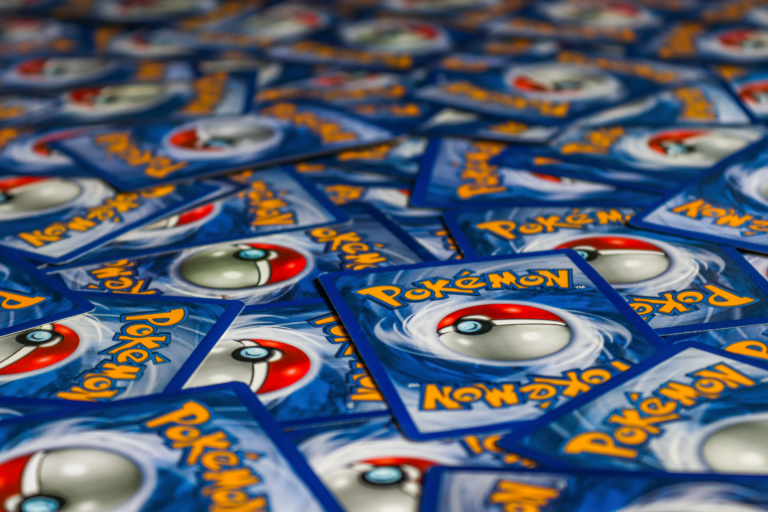
When I’ve compared sealed products across all five games, Pokémon has the widest resale audience every time. That is the whole ballgame for liquidity. Vintage graded cards grab the headlines, but the quieter winner has usually been sealed modern product bought at retail and simply left untouched. Check live prices on TCGplayer before you trust any shop markup, and use the official Pokémon TCG site to see what is currently in print. Simple as that.
The dealbreaker: The Pokémon Company reprints popular sets aggressively, and a set that gets a second or third print wave can see its sealed price stall for a year or more. Buying at MSRP protects you from that. Buying at a scalper markup does not.
2. One Piece TCG — the momentum pick
This is the one collectors keep texting me about. Demand has run hot since launch, and several early rare cards have already made big moves. The risk is its youth. A game without a decade of price history can correct just as fast as it climbed. I noticed that community size and resale liquidity move together here — as local tournaments filled up, secondary prices firmed right alongside them. If you enjoy riding momentum, this is your game. Just keep the bets small.
3. Disney Lorcana — the wallet-friendly entry
Lorcana is where I send total beginners. The art is genuinely lovely, the Disney IP needs no introduction, and a new player can build something playable without a painful outlay. Speculation runs calmer here, which cuts both ways. Less froth means fewer overnight windfalls. It also means fewer brutal crashes. For a first collection you actually enjoy owning, that is a fair trade.
4. Magic: The Gathering — deep, but not for flippers
Magic invented this whole category, and its oldest cards are real blue-chip collectibles. Here is the catch. The value sits in a narrow band of vintage and reserved-list cards, while most modern product loses value quickly after release. You can confirm what is currently legal and in print on the official Magic: The Gathering site. Great game. Tougher casual investment.
5. Yu-Gi-Oh! — nostalgia with a narrow top end
Yu-Gi-Oh! is cheap to play and deeply loved, but its investment case leans on a small set of iconic early cards. Step outside those and resale can get thin fast. It is a fantastic hobby and a spotty store of value. Know which one you are buying for before you spend.
Where collectors get burned
Grading fees are the trap nobody prices in. PSA paused its cheaper Value tiers in June 2026, which pushed the effective entry point for a standard submission to $79.99 per card — that figure comes from PSA’s own service page, though bulk options have come and gone more than once this year, so check before you submit. Run the math: an $80 grading fee on a card worth $120 raw only pays off if the slab grades high enough to clear $200. Most submissions don’t.
Fakes are the second trap. Counterfeit chase cards on marketplace listings have gotten good enough that side-by-side photos no longer settle it, especially for One Piece and vintage Pokémon. Buy graded, buy from sellers with deep feedback in that specific game, or buy in person where you can hold the card. A deal that is 30% under every sold comp is not a deal.
And reprints. Sealed product only appreciates while supply stays fixed, and publishers can un-fix it with one announcement. Pokémon does this constantly with popular sets. Magic does it through reprint sets that tank singles overnight. If your plan depends on a box becoming scarce, you are betting on a company choosing not to print money. Sometimes they oblige. Sometimes they don’t.
How to collect without losing money
Whatever game you land on, a few habits separate collectors who come out ahead from the ones who quietly bleed cash. Here is where people get tripped up.
- ✅ Buy sealed if you care about value. Opened product almost always drops.
- ✅ Check real sold prices, not asking prices. Learn to track price history before you buy online so you never overpay into a hype spike.
- ✅ Grade only cards worth grading. At current fees, a card needs a realistic $200+ graded value before the math works.
- ✅ Store it properly. Sleeves, a hard case, and a dry shelf protect condition.
- ✅ Sell into strength. The moment to list is while a set is trending, not months after.
One more thing. Buy what you would be happy to keep if the price never moved again. That single filter has saved me from most of my bad purchases.
FAQ
Is Pokémon still the best card game to invest in for 2026?
For most people, yes. The buyer pool is simply larger than anything else, so selling is easier when you want out. That liquidity is the real edge.
Is the One Piece card game a bubble?
Partly, maybe. The demand is real, but the game is young and prices can swing hard in either direction. Keep positions small until it has a longer track record.
How much do I need to start collecting?
Less than you would guess. A Lorcana starter or a Pokémon build gets you playing for pocket money. The expensive chase cards are optional, not the entry fee.
Sources
- TCGplayer — live secondary-market card prices.
- PSA trading card grading services — current grading tiers and fees.
- Pokémon TCG official site — current sets and product listings.
- Magic: The Gathering official site — format legality and print status.
Fact-checked based on public sources as of August 6, 2026.