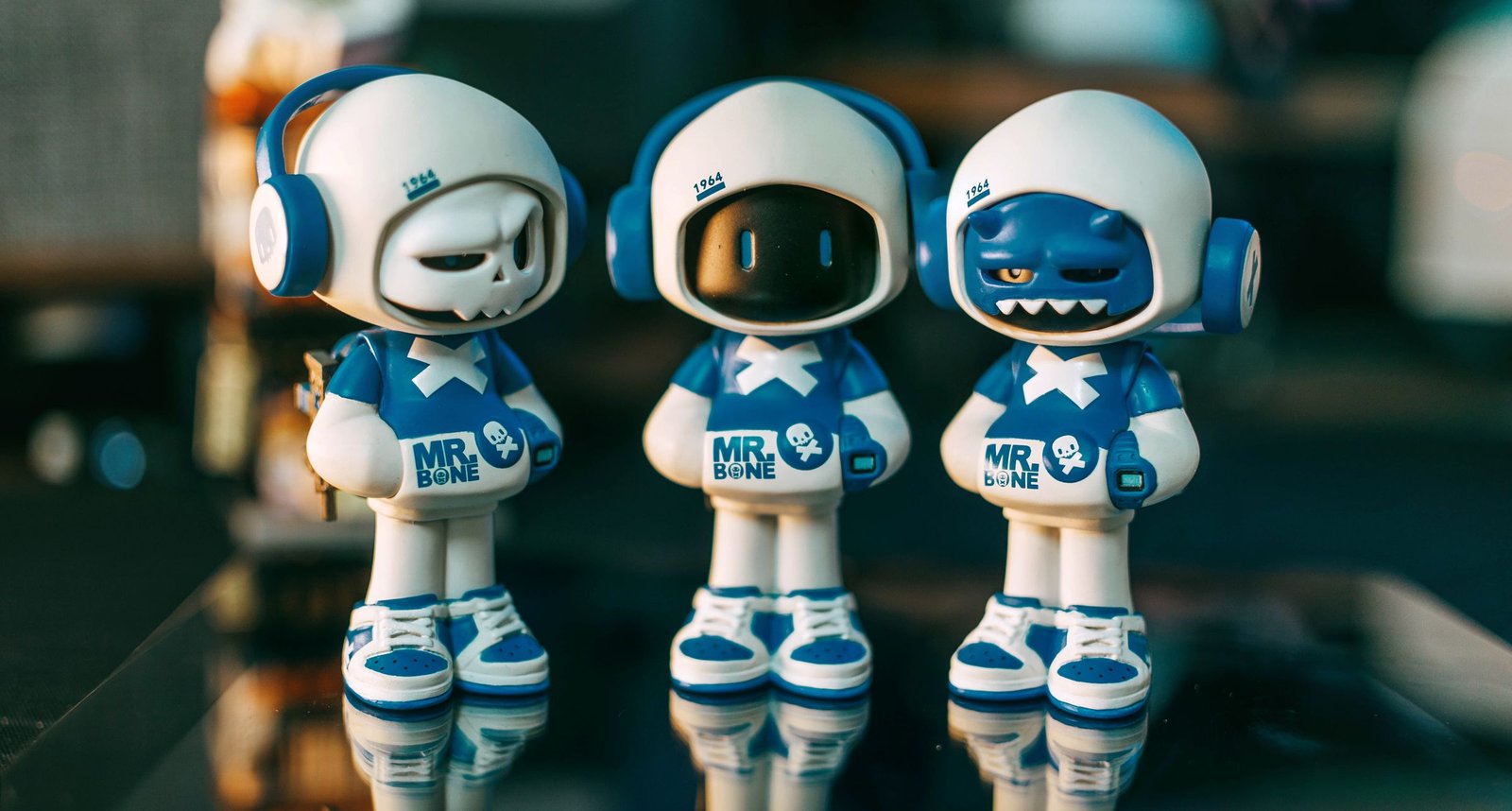
How to Flip Funko Pops for Profit in 2026: Sourcing, Valuing, and Selling Without Getting Burned
Retail shelves are full of Pops that will never be worth more than the $12 sticker price. A small slice of the catalog behaves completely differently, and the gap between the two groups is where the actual money sits. This guide walks through sourcing, pricing, and selling — the three things that separate a flipper who breaks even from one who doesn’t.
Jump to a Section
Best Platforms to Buy and Sell Collectibles in 2026: Whatnot vs eBay vs TCGplayer vs StockX
Method 1: Source Pops Worth Flipping
Check the exclusivity tag before anything else
Retail-exclusive stickers matter more than the character on the box. A Pop marked Hot Topic, GameStop, Funko Shop, or convention-exclusive starts with a smaller print run than the open-stock version sold everywhere. That alone doesn’t guarantee value — but it’s the first filter, not the last.
Watch vaulting announcements, not just new releases
Funko periodically retires (“vaults”) figures from production. When a line gets vaulted, remaining retail stock tends to dry up within weeks, and secondary prices drift upward from there. Following Funko’s own announcements and a couple of dedicated tracking accounts catches this earlier than scrolling eBay.
Buy low in one channel, sell high in another
Thrift stores, estate sales, and clearance end-caps are still where the cheapest inventory shows up. Most of what’s sitting there is common stock worth exactly what you’d guess. Every so often a vaulted or exclusive piece slips through because the person pricing it didn’t know what they had.
Method 2: Verify the Price Before You Buy
Pull sold listings, not active ones
Active eBay listings show what sellers hope to get. Sold and completed listings show what buyers actually paid. The gap between those two numbers is frequently large — a Pop can sit “listed” at $80 for months while the real clearing price is closer to $35.
When I checked sold comps for a handful of recently vaulted Pops against their still-active listings, the asking prices ran roughly 40% higher than what buyers were actually paying. That’s not unusual. Treat any price you see on a store shelf, a Facebook group, or an active listing as a starting point for research, not a number to trust.
Inspect the box condition, not just the figure
Collectors pay a real premium for a box in “mint” condition — sharp corners, no shelf wear, no crushing. A figure that’s identical inside a beat-up box can sell for half as much as the same figure in clean packaging. Check corners and the plastic window before you commit to a purchase.
Confirm it’s not a bootleg
Counterfeit Pops are common enough on marketplace apps that it’s worth a second look before paying grail prices. Paint bleed, off-center stickers, and a sticker font that doesn’t match Funko’s official releases are the usual tells.
Method 3: Pick Where You Sell
Where you list matters almost as much as what you’re listing. Fee structures differ enough between platforms that the “best” one changes depending on whether you’re moving a single grail or a box of forty common Pops.
| Platform | Typical Seller Fee | Payment Processing | Best For |
|---|---|---|---|
| eBay | ~13% final value fee on collectibles | Included in final value fee | Single high-value grails, widest buyer pool |
| Mercari | ~10% selling fee | ~2.9% + $0.30 | Quick flips on common stock |
| Whatnot | ~8% commission on live sales | ~2.9% + $0.30 | Bulk lots, live-auction format |
| Facebook Marketplace | Free (local) / ~5% (shipped) | Included | Local pickup, no shipping risk |
Fee schedules move. Confirm the current rate on the platform itself before you build a margin calculation around it — a percentage point either way changes whether a flip was worth the time.
When I compared the fee math across eBay, Mercari, and Whatnot on a $60 sale, the platform with the lowest headline percentage wasn’t automatically the cheapest once payment processing got layered on top. Whatnot’s live-auction format also tends to push prices higher through bidding, which can offset a slightly higher commission.
This part trips a lot of people up.
People assume the platform with “0% fees” for local pickup is always the winner. It’s often the safest, since there’s no shipping damage risk. But it also cuts your buyer pool down to your immediate area, which matters if the Pop you’re holding is a niche character.

Picking a platform loads its fee structure from the table above, including payment processing where it is charged separately. Override the rate if your account is on different terms.
Payment processing: included
Fee rates are the approximate published figures cited in this article and move over time. Confirm the live rate on the platform’s own fee page before you price anything.
Tips
- ✅ Track vaulting announcements weekly — the window between “vaulted” and “price starts climbing” is short.
- ✅ Photograph the box from all four corners before listing; condition disputes are the top cause of returns.
- ✅ Buy in person when you can — you get to inspect the box before paying.
- ✅ Keep a spreadsheet of cost basis per figure. Flipping without tracking cost makes it easy to think you’re profitable when you’re not.
Things You’ll Need
- A marketplace account on at least one platform (eBay, Mercari, Whatnot, or Facebook Marketplace)
- A digital scale and shipping boxes sized for Pop boxes (the standard 4-inch figure box needs a snug outer box, not a loose one)
- A way to track sold-comp prices (a saved search or a spreadsheet works)
- Pop protectors — 0.5mm crystal-clear cases that prevent exactly the corner dings covered in the Warnings below. Multipacks run far cheaper on AliExpress than at domestic hobby shops, if you can wait a couple of weeks on shipping.
Disclosure: this post contains an affiliate link — if you buy through it, we may earn a commission at no extra cost to you.
Warnings
- ⚠️ About 9 in 10 Pops produced never appreciate above retail. Don’t buy multiples of a common release expecting them to become the exception.
- ⚠️ Flipping income is taxable in most jurisdictions once it rises above hobby-level activity. See how side hustle income gets reported under current tax rules before you scale this past casual reselling.
- ⚠️ Ship in a snug outer box with padding on every side — a Pop box rattling loose inside an oversized shipper is a common source of corner dings and buyer disputes.
- ⚠️ Watch for bootleg listings priced just under market. If a “rare” Pop is priced well below every sold comp you found, that’s a signal, not a bargain.
References
Fact-checked based on public sources as of July 27, 2026.
- Funko official site — new releases and retirement (vaulting) announcements
- eBay seller fees documentation
- IRS Gig Economy Tax Center
- FTC consumer guidance on avoiding online marketplace scams
Q&A
Is flipping Funko Pops still profitable in 2026?
For the small share of figures that get vaulted or released as exclusives, yes — some resell for four to eight times retail. For the bulk of common wave stock, no. The margin lives in knowing which category you’re holding before you buy.
How much can a beginner realistically make?
It varies enormously by time invested and access to exclusive drops. Some sellers report a few hundred dollars a month on Mercari alone once they’ve built a sourcing routine; others break even for the first several months while they learn to spot real comps.
What’s the biggest beginner mistake?
Buying based on an active asking price instead of sold comps. Reading the sold-listings tab closely, I found the gap between hope and reality is usually where a flip stops being profitable.
Check three sold comps before your next purchase, not one. Skip anything without box damage photos in the listing. If the fee math doesn’t clear a real margin after shipping, pass on it.
Frequently Asked Questions
Is a “vaulted” Funko Pop guaranteed to gain value?
No. Vaulting retires a figure from production and often nudges secondary prices upward as retail stock dries up, but a common character can stay flat even after it’s vaulted. The exclusivity tag and actual sold comps matter more than vault status on its own.
Do I owe tax on Funko flips if it’s only an occasional hobby?
Once flipping rises above casual, hobby-level activity, the income becomes taxable in most jurisdictions, and the IRS Gig Economy Tax Center covers how resale income is reported. Exactly where the line between hobby and business sits can vary, so confirm the current rules before you scale past casual reselling.
What if a Pop I sell gets damaged in shipping?
Corner dings and crushing from a loose outer box are one of the top causes of buyer disputes, and a beat-up box can cut a figure’s resale value by roughly half versus clean packaging. Ship in a snug, padded outer box and photograph all four corners before listing so you have evidence if a condition claim comes up.