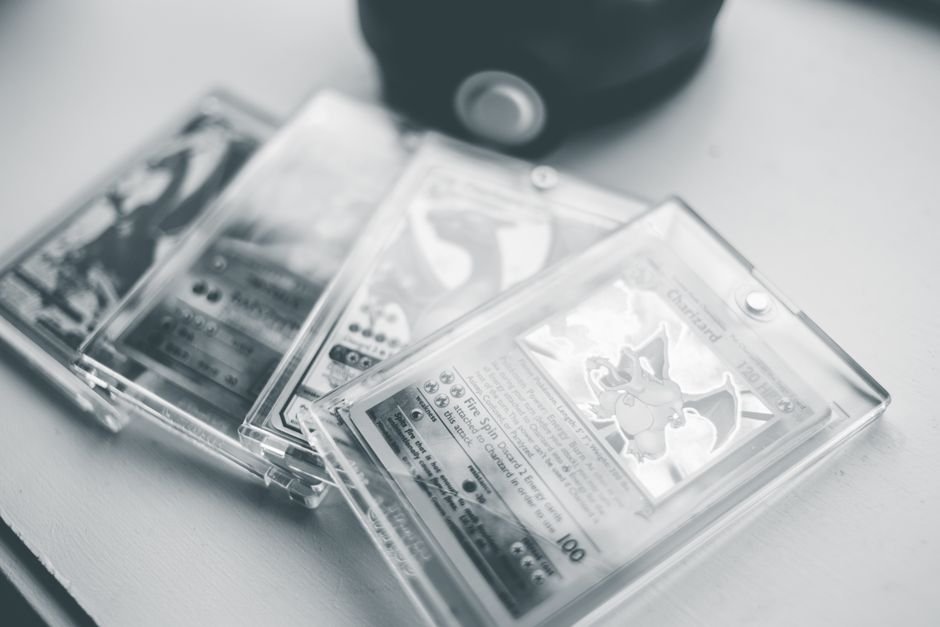
eBay Balance Starts Nov 4: A Card Seller’s Payout Checklist
Short answer: On November 4, 2026, eBay enrolls eligible US sellers in eBay balance, a spendable account that holds your sales proceeds. Nothing is lost, but your payout schedule may change. Check Seller Hub before that date. Then confirm your identity details. Then pull cash out on a rhythm you picked on purpose.
If you flip cards, slabs or sealed product on eBay, the money from a $400 sale is about to take a different route.
The change lands this week, and the payout settings you set up years ago are the part most likely to get surprised. This post covers what eBay’s own terms say, what one trade outlet reports on top of that, and a short checklist for resellers who need cash back in the bank to fund the next buy.
Educational content, not financial or tax advice. eBay can change these terms with notice, so read the live pages before you act. Details were checked November 2, 2026.
Contents
- What does eBay balance change on November 4?
- Will your payout schedule really reset?
- Which payout settings should you check?
- Where can your card money get stuck?
- How do you keep flipping cash moving?
What does eBay balance change on November 4?
According to eBay’s US eBay balance Terms and Conditions, posted October 21, 2026, all eligible US sellers are automatically enrolled in eBay balance after they pass eBay’s identity verification, and the terms apply to existing users from November 4, 2026.
The balance is where your sales proceeds land after eBay deducts its fees. You can spend it at eBay checkout or withdraw it to a linked bank account. It is not a savings product. Per the same terms, you earn no interest on the funds, and the account is not eligible for FDIC pass-through insurance.
When I checked the terms page, I found that sellers whose registered address is in New Mexico are excluded, along with accounts that are suspended, restricted or under a payout block.
One more thing worth knowing. Value Added Resource, an eBay seller trade site, reports that enrollment becomes a condition of using the account, so you cannot close the balance and keep selling.
Will your payout schedule really reset?
Value Added Resource reports that eBay sellers on daily, weekly, biweekly or monthly payouts are switched to on-demand withdrawals when they are enrolled, and that you must restore your preferred frequency by hand (valueaddedresource.net, article on eBay balance automatic enrollment).
eBay’s own terms read a little differently. They say you can choose a recurring payout frequency in your Payout preferences, and that a frequency of at least weekly also enables on-demand withdrawals. They do not say your old schedule will be wiped.
So there are two sources and they do not fully agree. I noticed that the safest reading is the boring one: assume your setting might change, then look.
It takes two minutes. Open Seller Hub, go to Payments, then Summary, then Your Preferences. If it says on-demand and you wanted weekly, change it.
The terms also reserve the right to “modify or discontinue the availability of scheduled Payout options in the future,” with notice. That is a good reason to stop treating automatic payouts as permanent.
Which payout settings should you check?
Four items in Seller Hub decide how quickly a card sale turns into usable cash, and each one maps to a specific statement in eBay’s November 2026 terms or a trade report.
| What to check | What the sources say | Your move |
|---|---|---|
| Payout frequency | eBay terms: you pick a recurring frequency. Trade report: may default to on-demand. | Open Your Preferences, set it deliberately. |
| On-demand withdrawals | eBay terms: available on a schedule of at least weekly. Trade report: a daily schedule turns them off. | Pick weekly if you want both options. |
| Linked bank account | eBay terms: required to receive any withdrawal. | Confirm it is the account you actually use. |
| Identity verification | eBay terms: failing it suspends access to balance and payouts. | Finish it the first time eBay asks. |
| Checkout default | eBay terms: balance can be the default payment method when funds are available. | Pick your payment method before every purchase. |

This part trips a lot of people up.
The checkout default matters if you also buy inventory on eBay. Spend from the balance by accident and that cash is no longer sitting in your bank for the next show or break.
Where can your card money get stuck?
Funds in an eBay seller balance can be held or paused in at least three ways under eBay’s US terms: a failed identity check, a risk or compliance hold, and proceeds still marked “On Hold.”
The terms say eBay can place holds on balance funds and freeze payouts for fraud, risk or compliance reasons. They also say amounts you owe eBay or its affiliates can be taken from the balance.
Then there is the line Value Added Resource flagged. The terms state that funds marked “On Hold” do not belong to you and are not credited to your eBay balance. The site says eBay has not explained what that means for sellers’ rights to those funds.
Card sellers should care more than most. A high-value sale is exactly the kind of order that sits in a hold while a buyer, a shipping scan or a returns window plays out. Say you list one $350 slab and one $60 raw single in the same week. The $60 sale is unlikely to get attention. The $350 one might.
I found that the practical lesson is dull but useful: keep a cushion in your bank account and do not plan a buy around money that has not reached it yet.
If you sell on several platforms, compare how fast each one hands over cash. Our Whatnot vs eBay Live seller fee comparison covers the fee side, and our guide to eBay’s $200 Authenticity Guarantee threshold covers why a high-priced card sale may take longer to settle.
How do you keep flipping cash moving?
A reseller who wants card sale proceeds back in a bank account in 2026 should treat eBay balance as a waiting room, not a wallet, and withdraw on a fixed rhythm.
- Before November 4, open Seller Hub and screenshot your current payout settings so you can compare afterward.
- After enrollment, reopen Your Preferences and restore the frequency you want.
- Finish identity verification as soon as eBay asks. It is triggered at your next qualifying sale if you are an existing seller, according to the trade report.
- Check your spending limits. VAR reports that the old fixed limits ($2,000 per transaction or day, $5,000 per 30 days) are replaced by limits eBay sets and can change.
- Withdraw regularly. Under the terms, remaining funds are sent to your linked bank no more than 330 days after your latest sale if you never request a withdrawal.
Stuck on whether the cards are worth selling at all? Do the margin math first, then worry about payout timing. Not every flip clears once fees and shipping come off.
Watch Out for These
Do not assume the on-demand default is harmless. A seller who forgets the setting could leave several weeks of proceeds sitting in the balance with no interest, no FDIC pass-through coverage and a holding policy eBay can change.
Do not open any email that tells you to “verify your eBay balance” by logging in through a link. Go to Seller Hub yourself. Scammers love a policy change.
FAQ
Can I opt out of eBay balance and keep selling?
Not according to the terms as reported. Value Added Resource says participation is a condition of using the account. The one opt-out eBay mentions is for the arbitration clause, not the balance itself.
Does eBay balance pay interest?
No. eBay’s US terms say you will not earn interest on funds in the balance, and that the account is not eligible for FDIC pass-through insurance.
What if my identity check fails?
Your access to eBay balance, including your ability to receive payouts, is suspended until verification succeeds, per eBay’s terms.
Sources
- eBay: U.S. eBay balance Terms and Conditions
- Value Added Resource: eBay balance automatic enrollment
By Jordan Lee. Fact-checked based on public sources as of November 2, 2026.