Are Labubu and Designer Toys Actually a Good Investment in 2026? A Pop Mart Blind-Box Reality Check
2026 Best Apps for Reselling Secondhand Clothes Online
What this reality check covers
- Why designer toys suddenly went viral
- The lines people actually chase (and what drives value)
- How resale really works on Whatnot and eBay
- The honest pros and cons of treating them as an investment
- FAQ
A palm-sized vinyl monster with a toothy grin sold out in seconds, then flipped online for triple its sticker price. That is the Labubu story in one sentence, and it pulled a lot of ordinary buyers into thinking they had stumbled onto a money machine. Pop Mart, the Chinese company behind Labubu, turned mystery packaging into a global craze. The question underneath all the hype is simpler than the hype makes it sound. Is any of this actually worth buying to make money?
I have watched this category go from a niche corner of toy fairs to something my non-collector friends ask me about. So let me walk through what is really happening.
Why designer toys blew up in the first place
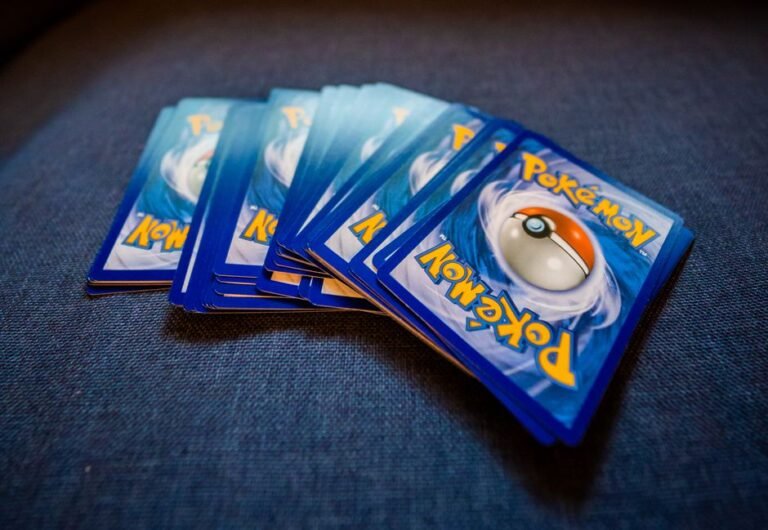
The format does most of the work. You buy a sealed box and you do not know which figure is inside. That tiny gamble is the whole hook. Open one, get a common, and the itch to pull the “secret” edition kicks in immediately.
Then social media poured gasoline on it. Unboxing clips are perfect short-form content. A celebrity clips a Labubu to a designer bag and suddenly a $20 toy reads as a status object. Pop Mart leaned into this with tight production runs. The big lines were Labubu, Skullpanda, Crybaby and Dimoo. Demand kept outrunning supply.
Scarcity plus a dopamine loop plus a camera. That combination is rare, and it is exactly why prices went where they went.
The lines people actually chase
Not every figure holds value. A handful of lines carry the market, and within each line it is usually the “secret” or limited variant that people pay up for. When I checked the active listings across the big lines, the pattern was consistent. Standard figures barely move. Chase pieces are where the wild numbers live.
Here is how the popular lines break down and what tends to drive their resale value.
| Line | Vibe | What drives resale |
|---|---|---|
| Labubu (The Monsters) | Fuzzy grin, mischievous | Celebrity sightings. Secret variants and zodiac drops sell out fastest. |
| Skullpanda | Moody, gothic, artsy | Strong repeat collectors. Themed series with a clear aesthetic hold better. |
| Crybaby | Teary, cute-sad | Emotional pull and a devoted younger fanbase. Fresh drops spike, then cool. |
| Dimoo | Dreamy, story-driven | Long-running loyalty. Older retired series can quietly appreciate. |
Notice what is missing from that table. Exact prices. I left them out on purpose, because they change week to week and anyone quoting you a firm number is guessing.
How resale actually works on Whatnot and eBay
Two very different machines run this market. eBay is the slow lane. You list, you wait, and completed listings give you a rough read on what a figure truly clears. Whatnot is the fast lane. It runs on live auction video and pure impulse. Prices there can spike hotter than anything eBay would support the next morning.
Resellers have reported sharp month-over-month growth on live-selling platforms, and that momentum is real. It is also where the trap hides. A live crowd bidding at 11pm is not a stable price signal.
I found that the gap between a Whatnot peak and an eBay “sold” number for the same figure can be uncomfortable. That gap is your risk. If you buy at hype prices and sell into a calmer market, you eat the difference. Any profit you pull is also income, and in the US that can be reportable. If you start flipping seriously, read up on how to pay taxes on side hustle income under the 2026 rules before it becomes a headache in April.
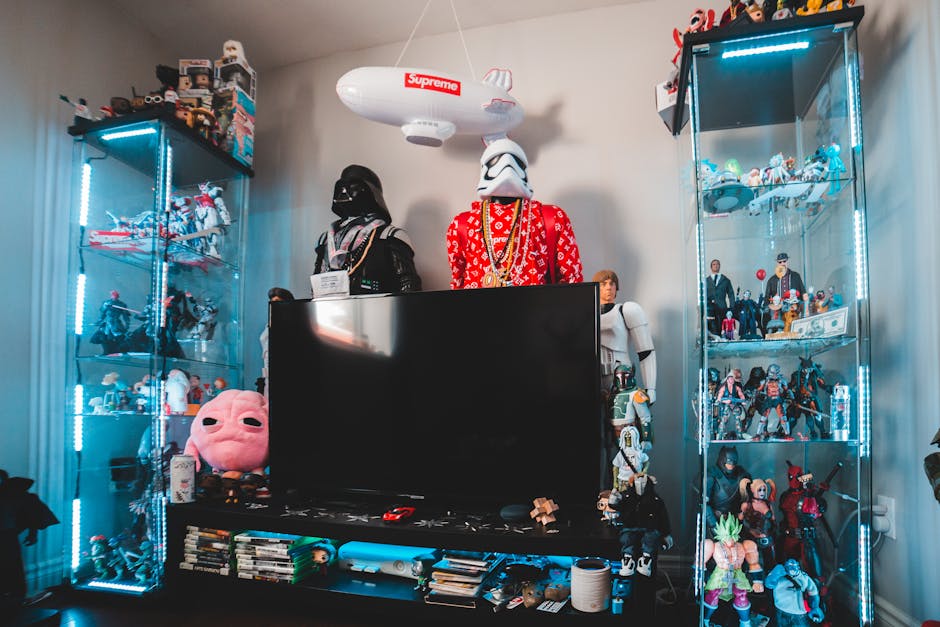
One cost that quietly protects your margin: keep the boxes mint. Blind-box figures lose resale value the moment a box gets crushed or sun-faded, so serious flippers store them in acrylic display cases and protectors — multipacks on AliExpress cost a fraction of hobby-shop prices if you can wait a couple of weeks on shipping.
Disclosure: this post contains an affiliate link — if you buy through it, we may earn a commission at no extra cost to you.
Are they a good investment? The honest version
Here is where people get tripped up. They see one figure 3x and assume the whole category behaves like a stock that only goes up. It does not.
Pop Mart itself has publicly welcomed cooling resale prices, which tells you something. A company that wants a healthy long-term brand is not thrilled when its toys become speculative chips. I noticed that shift in tone over the past year, and it lines up with what the secondary market has been doing.
So let me lay out both sides plainly.
The case for:
- Genuine global demand. This is not a fake trend with no buyers.
- Tight production keeps chase pieces scarce, and scarcity supports price.
- If you would enjoy owning them anyway, downside feels softer.
The case against:
- Prices are hype-driven and can crater in weeks, not years.
- Premiums on new “secrets” tend to peak early, then erode as supply catches up.
- Fakes are everywhere. Authentication is a real cost and a real hassle.
- No dividends, no earnings, no floor. Value rests entirely on someone else wanting it more than you did.
This is not financial or investment advice; hype-driven collectibles are highly speculative and can crash. Buy what you like, at a price you can lose, and treat resale gains as a happy accident rather than a strategy.
In my experience the people who stay happy in this hobby are the ones who bought a Skullpanda because they liked its face, not because a spreadsheet told them to. The ones who got burned treated a toy like a stock.
FAQ
Is Labubu still worth buying in 2026?
For fun, sure, if the price feels fair to you. As a flip, only with eyes open. The easy money moment has largely passed.
Which Pop Mart line holds value best?
No line is guaranteed. Skullpanda and Dimoo have shown stickier collector loyalty over time. Labubu spikes highest but also swings hardest.
How do I avoid fakes?
Buy sealed from official channels when you can. On resale, favor sellers with long histories and clear photos, and learn the QR and finish details for each line.
Can I really make money reselling these?
Some people do. Many break even or lose after fees and duds. If you go for it, track your actual sold prices, not the hype peaks.
Before you buy your next box, run this check
- Ask yourself if you would keep it happily even if resale went to zero.
- Set a hard spend limit per drop and do not chase past it.
- Price against completed eBay sales, never a live Whatnot peak.
- Keep receipts and log your flips if you plan to sell often.
Fact-checked based on public sources as of July 25, 2026. Prices and resale dynamics move quickly and vary by region and platform.
Sources
- Pop Mart official store (US) — product lines and blind-box format
- Modern Retail — how marketplaces are cashing in on the viral Pop Mart toy
- eBay — completed listings as a resale price reference