Why Your Limit Order Didn’t Fill: Common Causes and Fixes (2026)
Watching a stock touch your limit price and then walk away without filling you is one of the more frustrating moments in investing. It feels like a glitch. Most of the time it isn’t — it’s just how exchanges match orders working exactly as designed, and that design doesn’t favor patience alone.
How to Read a Dividend ETF Fact Sheet Before You Buy and How to Set a Stop-Loss on a Crypto Futures Position
Jump to a Section
Common Causes Behind an Unfilled Limit Order
Your Price Only Touched, It Never Traded Through
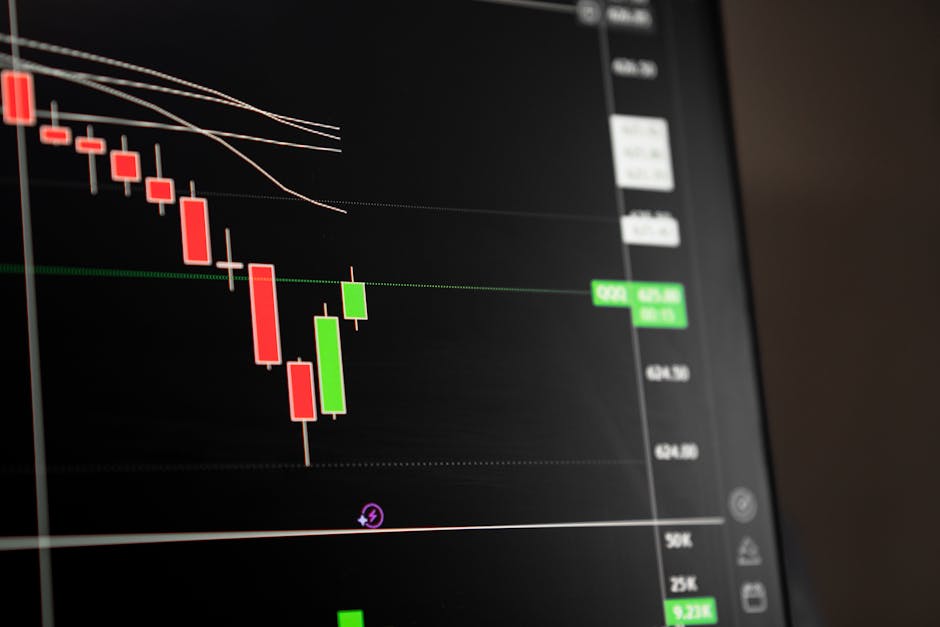
A chart candle can print a low or high that matches your limit exactly without a real trade clearing at that exact price for the size you wanted. Exchanges report the best bid and ask constantly, and those numbers move faster than the actual matching happening underneath. If the stock dipped to your price for a second and bounced, there may have been zero contracts that actually traded there. Same idea with shares. Your order just sat waiting for a trade that technically never fully occurred at your level.
You Were Behind the Queue at the Same Price
Exchanges fill orders by price priority first, then by time priority. Picture 4,000 shares already resting at $48 before you placed your 100-share order at the same price. Every one of those 4,000 has to fill before yours gets touched. When I checked a handful of order book snapshots on moderately liquid tickers, this was the single most common reason a ‘touched’ price still left retail limit orders sitting untouched — the price arrived, but not enough volume traded through to clear the line ahead of a late arrival.
The Stock Is Thinly Traded
Low daily volume means fewer counterparties at any given price. A large-cap name might clear your order in milliseconds. A small-cap or a niche ETF might go minutes, or the whole session, without another trader willing to meet your exact price. This gets worse the further your order sits from the recent average price, since fewer participants are watching that level at all.
You Placed the Order During Extended Hours
Pre-market and after-hours sessions run on a fraction of regular-hours volume. Spreads widen. Depth thins out. A limit order that would fill in under a second at 11 a.m. can sit open for the entire pre-market window with nothing happening. Brokers generally warn about this in their order-entry screens, and it’s easy to miss the fine print when you’re just trying to react to overnight news.
A Market Order Jumped Ahead of You
Market orders get matched before limit orders sitting at the same price level, every time. If a wave of market orders hits right as the stock reaches your limit, they’ll absorb the available shares first. Your resting limit order effectively loses its spot in line, even though technically nothing was ‘ahead’ of you a moment earlier.
How Order Types Behave When the Market Moves Fast
When I compared broker help pages side by side for a handful of major platforms, the tradeoffs were described differently but landed on the same core pattern. Here’s the short version.
| Order type | Fill certainty | Price certainty | Best used when | Common failure mode |
|---|---|---|---|---|
| Market order | Very high | None | You need to be in or out immediately | Slippage in fast or thin markets |
| Limit order | Not guaranteed | High | Price matters more than timing | Sits unfilled if volume never clears through it |
| Stop-market | High once triggered | None | You want a guaranteed exit at a trigger point | Can execute far worse than the trigger during a gap |
| Stop-limit | Not guaranteed once triggered | High | You want a floor or ceiling on execution price | Can trigger and still never fill in a fast drop |
Nothing here is free. Certainty on price and certainty on execution pull in opposite directions, and every order type is really just a choice about which one you’re willing to give up.
How to Fix an Order That Won’t Fill
Start with the smallest change first, not the biggest.
- Nudge the price by a cent or two. Moving a buy limit up slightly, or a sell limit down slightly, often clears a stuck order without meaningfully changing your entry.
- Check the bid-ask spread before you place it. A wide spread on a thin name is a signal your original price may never see enough volume to trade through.
- Avoid placing new limit orders in the last and first ten minutes of the session unless you’re comfortable with the volatility — spreads swing harder during the open and close.
- Consider a marketable limit order — a limit set a little through the current ask (for buys) or bid (for sells) — when you want near-market speed with a price ceiling.
- Cancel and resubmit instead of waiting indefinitely if the setup that made you want the trade has already changed.
Most people skip the spread check and go straight to blaming the broker. Worth doing that one step first.
Tips
- ✅ Look at the actual order book depth, not just the last-trade price, before assuming your order should have filled.
- ✅ For illiquid tickers, expect wider spreads and price your limit accordingly rather than at the exact last trade.
- ✅ Day orders expire at the close — if you want the order to persist, set it to good-till-cancelled and check your broker’s actual cancellation window, since a few cap it at 60 or 90 days.
- ✅ Re-check your order status after any halt or reopen; some brokers cancel resting orders around a trading halt.
Warnings
⚠️ Moving your limit price closer to the market to force a fill can mean accepting a worse price than you originally wanted — decide in advance how much you’re willing to give up. ⚠️ Marketable limit orders and market orders both carry execution risk in fast-moving or thin markets, including prices well away from the last quote you saw. This article is for informational purposes only and is not financial or investment advice. Order execution behavior can vary by broker and by exchange, and you should confirm your specific broker’s order-handling rules before trading with real capital.
References
- Investor.gov (SEC Office of Investor Education) — Limit Order glossary entry
- Charles Schwab — Order Types education hub
- FINRA — Investing in Stocks resource center
Q&A
Does a limit order guarantee execution?
No. It guarantees price, not fill. A market order guarantees the opposite — fill, not price.
Why did the stock trade at my exact price but I still didn’t get filled?
Usually queue position. Other orders at the same price were ahead of yours, or the volume that traded at that price wasn’t enough to reach you.
Is it better to use a market order if my limit order keeps missing?
Only if speed matters more than price to you in that moment. Otherwise a small price adjustment on the limit order is usually the more controlled fix.
This article is for informational purposes only and is not investment advice. Fact-checked based on public sources as of July 28, 2026.
Frequently Asked Questions
Do limit orders behave differently in pre-market or after-hours?
Yes. Extended-hours sessions run on a fraction of regular-hours volume, with wider spreads and thinner depth. A limit order that would fill in under a second at midday can sit open the entire pre-market window with nothing happening.
Can a stop-limit order trigger and still never fill?
It can. Once triggered, a stop-limit becomes a limit order, so in a fast drop the price can blow through your limit before enough volume trades there, leaving you triggered but unfilled. That unfilled risk is the tradeoff for capping your execution price.
Will my resting limit order survive a trading halt?
Not always. Some brokers cancel resting orders around a halt or reopen, so re-check your order status after any halt rather than assuming it’s still live. Order-handling rules around halts vary by broker, so confirm your platform’s specific policy.