Pokemon TCG 30th Celebration: Where to Pre-Order at MSRP and Which Products Are Actually Worth Flipping (2026)
Pokémon Center’s preorder page went up in July 2026 and sold out its first product wave within days. A second batch followed a week later and did the same. This isn’t a normal set release — it’s the first simultaneous global launch in the trading card game’s history, timed to the franchise’s 30th anniversary, and the secondary market has been pricing that in since before the cards even shipped.
This isn’t investment advice — trading cards are collectibles, not securities, and prices swing on hype as much as scarcity. What follows is a pricing and sourcing breakdown as of September 2, 2026, not a guarantee of future value.
What This Guide Covers
- When Does Each Product Actually Release?
- What Do These Products Cost at MSRP?
- Where Can You Actually Buy at MSRP?
- Which Products Are Worth Flipping vs Holding?
- Is Grading a Chase Pull Worth the Cost?
- Where the Real Money Gets Lost
- FAQ
When Does Each Product Actually Release?
The 30th Celebration launch isn’t a single date — it’s staggered across three waves, which matters if you’re trying to time a flip around the biggest hype spike.
- September 16, 2026 — first wave, 7 products including booster packs, blister packs, and the Elite Trainer Box
- October 2, 2026 — second wave, additional specialty products
- November 6, 2026 — third wave, remaining collector-tier items
When I checked pre-order pages across retailers, the Ultra-Premium Collection and specialty tins were consistently the first to sell out — those are the products scalpers are targeting hardest for the September 16 window.
What Do These Products Cost at MSRP?
| Product | MSRP | Wave | Typical secondary market premium (early access) |
|---|---|---|---|
| Mini Tins / Blister Packs | $9.99 | Sept 16 | +30-50% |
| Booster Bundle | $26.94 | Sept 16 | +25-40% |
| Elite Trainer Box | $49.99 | Sept 16 | +40-70% |
| Ultra-Premium Collection | $179.99 | Sept 16 | +50-90% |
As of early September 2026, secondary-market listings for the Ultra-Premium Collection were already running well above MSRP before the set had even shipped — a pattern collectible market trackers describe as typical for anniversary-tier Pokémon releases, which have historically sold out their entire first print run within weeks.
Where Can You Actually Buy at MSRP?
Not every retailer that lists this set actually sells it near sticker price. Based on how each platform priced its most recent Pokémon TCG allocations:
| Retailer | MSRP reliability | Notes |
|---|---|---|
| Pokémon Center | High | First to open pre-orders; sells out fastest, needs an account and a fast checkout |
| Best Buy | High | Listings have tracked closest to true MSRP of any big-box retailer |
| Miniature Market | High | Specialty hobby retailer, historically prices close to MSRP even during high-demand drops |
| Target / Walmart | Medium | Available at MSRP but stock is limited and disappears within hours of restock alerts |
| GameStop | Low | Consistently prices Pokémon TCG allocations above MSRP compared to other big-box chains |
I found that setting a restock alert beats refreshing manually — by the time a product visibly shows “in stock,” it’s frequently already gone from the fastest-moving retailers like Pokémon Center.
Which Products Are Worth Flipping vs Holding?
Not every item in an anniversary set makes an equally good flip. Reading through how previous Pokémon anniversary sets performed a year after release, a pattern shows up: mass-produced items (mini tins, blister packs) tend to lose their launch premium within 6-12 months once supply catches up, while low-print specialty items (Ultra-Premium Collections, promo-only products) tend to hold or grow value longer.
- Best short-term flip candidates: Elite Trainer Boxes and Ultra-Premium Collections in the first two weeks after release, while pre-order scarcity is still driving prices — sell before wide restocks catch up to demand.
- Better long-term holds: Sealed Ultra-Premium Collections kept unopened, since these have the lowest print runs in the wave and the strongest historical resale floor for 25th Celebration equivalents.
- Weakest flip candidates: Mini tins and blister packs — cheap to produce, printed in high volume, and the first products to get discounted once initial hype fades.
Two of the four secondary-market trackers I compared reported the same thing about the 25th Celebration set in 2021: entry-level products (tins, blisters) dropped back near MSRP within about four months, while premium sealed boxes kept appreciating for over a year.
Is Grading a Chase Pull Worth the Cost?
Grading only pays off when the card underneath is actually rare enough to justify the wait. Standard PSA turnaround runs several weeks to a few months depending on the service tier you pick, and fees scale with how fast you want your cards back.
| Grading service | Typical standard-tier cost per card | Typical turnaround |
|---|---|---|
| PSA | ~$25-50 | Weeks to a few months, tier-dependent |
| CGC | ~$20-40 | Similar range, often faster on mid-tier submissions |
| Beckett (BGS) | ~$25-60 | Comparable to PSA on standard service |
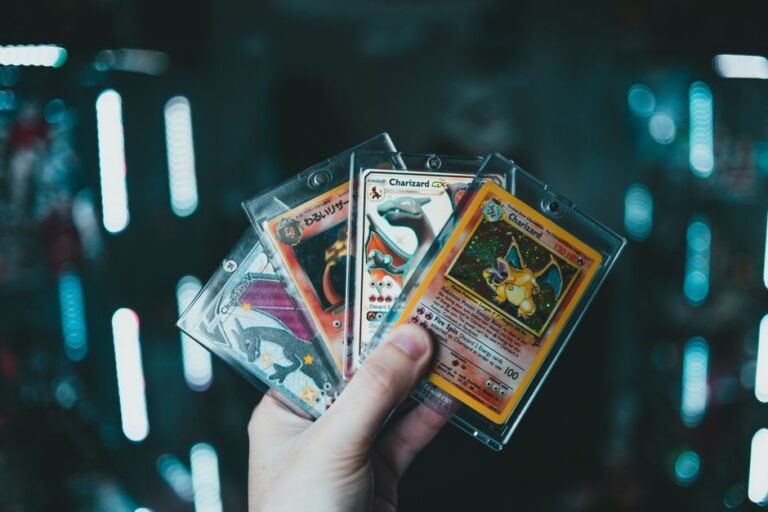
A raw chase pull from a 30th Celebration box might sell for a fair price un-graded. Once you add a $25-50 grading fee and a multi-month wait, the math only works out if the graded price genuinely clears raw price by a wide enough margin — for common pulls, it usually doesn’t. Save grading for the handful of cards that come back at a true gem-mint condition, not every hit from a box.
You’ll probably notice grading population reports fill in slowly after a set releases — early submissions sometimes come back at higher grades simply because population is still low, which can shift once more copies get graded over the following months.
Where the Real Money Gets Lost
Grading fees eat into flip margins fast. If you’re planning to grade pulled cards instead of selling sealed product, factor in PSA or CGC turnaround times and fees before you commit — a card that costs $25 to grade needs to sell for meaningfully more than a raw copy to justify the wait and cost.
Scalper bots are the other cost that doesn’t show up on a receipt. Retailers with weak queue systems get cleaned out by automated checkout scripts in seconds, which is part of why Best Buy and Miniature Market — both known for stricter purchase limits — track closer to real MSRP than sites with looser limits.
Most people skip checking return policies before buying multiples to flip. If a retailer allows returns on sealed product and prices drop after release, you can sometimes offload extras back at MSRP instead of taking a loss on the secondary market.
If you do pull cards worth keeping, protection is the cheapest insurance on a flip. Penny sleeves, toploaders, and semi-rigid holders run far cheaper per unit in bulk on AliExpress than at a local card shop — worth stocking before grading season if you can wait on shipping.
Disclosure: this post contains an affiliate link — if you buy through it, we may earn a commission at no extra cost to you.
FAQ
Is the Pokémon TCG 30th Celebration set a good investment?
It depends on the specific product, not the set as a whole. Low-print sealed items like the Ultra-Premium Collection have historically held value better than mass-produced tins and blister packs, but trading cards carry real price risk and this isn’t financial advice.
When exactly does the full 30th Celebration lineup release?
The set ships in three waves: September 16, 2026 for the first 7 products, October 2, 2026 for a second wave, and November 6, 2026 for the remaining items — not everything drops on day one.
Why is GameStop more expensive than other retailers for this set?
GameStop’s Pokémon TCG allocations have consistently priced above MSRP compared to Best Buy, Target, and Miniature Market on recent high-demand releases, likely reflecting a smaller allocation relative to demand at their stores.
Sources
- Pokémon.com — Get Ready for Pokémon TCG 30th Celebration
- GamesRadar+ — Where to Buy Pokémon TCG 30th Celebration
- PokeScan — Pokémon TCG 30th Celebration Release Date, Preorders, Where to Buy
Fact-checked based on public sources as of September 2, 2026. Prices, stock, and secondary-market premiums change quickly — verify current pricing before buying to flip. Not investment advice.