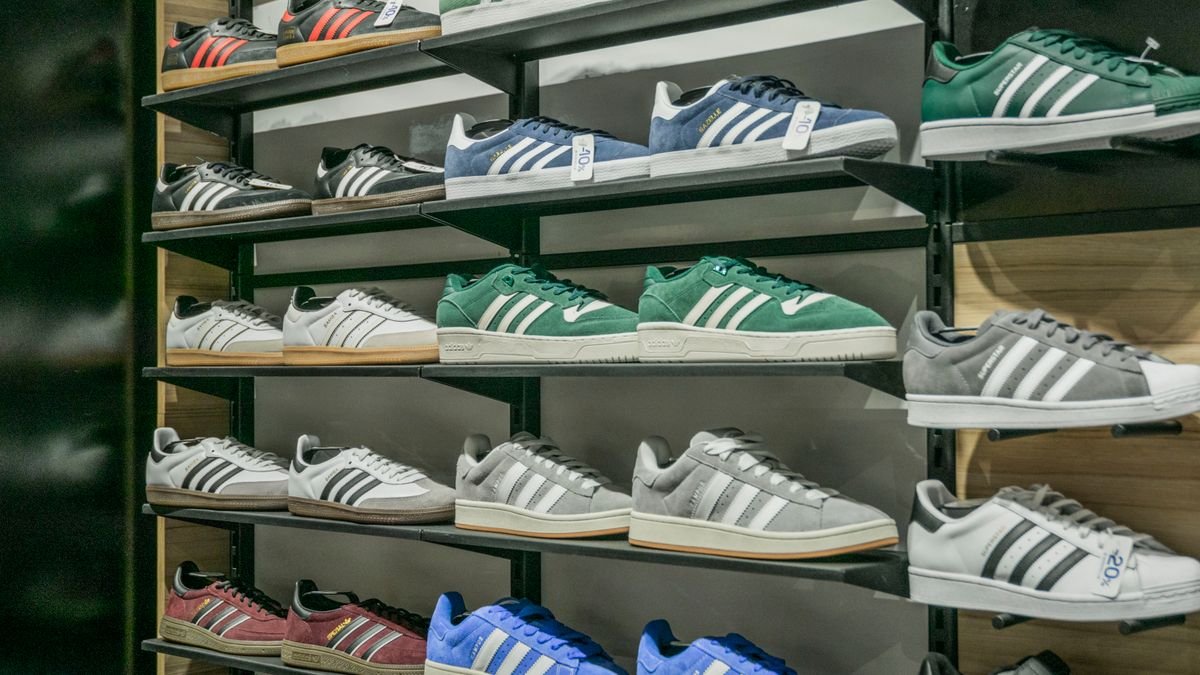
How to Start Flipping Sneakers for Profit in 2026: A Beginner’s Step-by-Step Playbook
A pair that sold out in ninety seconds at retail can trade for double that a week later. That gap is the entire business. Flipping is not a bet on random shoes, though. It is a repeatable loop: source limited pairs, prove they are real, and move them where buyers already gather.
The barrier to entry is low, which is also the catch. Anyone with a phone can enter a raffle. So the flippers who actually clear a profit treat this like inventory management, not a weekend hobby. When I checked the resale spread on a handful of recent drops, the pairs that held their value were rarely the loudest, most-hyped ones. Quiet general releases in the right size run sometimes beat a shoe everyone was screaming about.
Where to sell a pair, and what it costs (2026):
| Marketplace | Approx. seller cut | Authentication | Best for |
|---|---|---|---|
| StockX | Around 9 to 10% once transaction and processing are combined | Every pair is verified before it ships to the buyer | Fast movers with a clear, live market price |
| GOAT | Roughly a 9.5% commission on top of a seller fee | Verified as well, and it accepts used pairs too | A wider catalog, including older and worn shoes |
| eBay | Closer to 13 to 15% final value fee on shoes | Free Authenticity Guarantee kicks in above a set price | Auctions and naming your own asking price |
Those percentages are ballpark numbers taken from each platform’s published fee schedule as of July 2026. They shift. Promotions and category changes move them further. Confirm the live cut on eBay’s own selling fees page before you price a single pair, because a fee change can quietly erase a thin margin.
In This Guide
- Set a budget and pick your lane
- Source pairs at or below retail
- Authenticate before you list
- Price against the live market
- List where the buyers already are
- Ship fast and cover yourself
- Track every cost and set aside tax
Steps
Step 1: Set a Budget and Pick Your Lane
Decide upfront how much you can afford to have tied up in shoes that might not sell for a month. That number is your ceiling. Never flip with money you need for rent. Then pick a lane instead of chasing everything. Maybe that is one brand you actually know, or a size run that tends to sell fast, or a price tier under a couple hundred dollars where buyers are plentiful. A narrow focus beats a scattered closet full of random pairs. It also makes you faster at spotting a real deal. If you are still weighing whether this fits your schedule against other options, our roundup of the 2026 Best Side Hustles for Beginners by Time Invested puts sneaker flipping next to gentler alternatives.
Step 2: Source Pairs at or Below Retail
This is the hard part, and it is where the profit hides. Limited pairs come out through brand apps like the SNKRS app, through retailer raffles, and occasionally through in-store releases. Enter more raffles than you think you need, because most lose. Set alerts for restocks. Watch for the boring general releases that quietly resell above retail once a colorway catches on. I noticed that the pairs I got at plain retail, with zero hype attached, often left more room than the grails everyone fought over. Paying resale price yourself and hoping it climbs is not flipping. That is speculation with extra steps.

Step 3: Authenticate Before You List
Fakes are good now. Really good. If you buy from anywhere other than a brand or an authorized retailer, assume nothing until you have checked it. Compare the stitching, the box label, the size tag font, and the smell of the glue against verified reference photos. The big marketplaces authenticate for you before a sale completes, which is a genuine safety net. That protection is a large part of why they earn their fee. The same street smarts that help you spot a fake online store before checkout apply here. If a deal feels too clean, slow down.
Step 4: Price Against the Live Market
Do not guess. Open StockX or GOAT and read the actual sales history for your exact model and size. Prices are size-specific, so a common size can trade well below the headline number you saw on release day. I found that the lowest ask often tells you more than the average, since that is what you compete against to sell quickly. Decide whether you want a fast sale or the best price. You rarely get both. Undercut the lowest ask by a few dollars if you need the cash to move, and hold firm if the pair is genuinely scarce.
Step 5: List Where the Buyers Already Are
Match the pair to the platform. Hyped, easy-to-price models move fastest on StockX because buyers there already know the market rate. GOAT stretches to older and lightly worn pairs. eBay hands you auctions and full control over your asking price, at a higher fee. List the same pair on more than one marketplace only if you can pull it down the instant it sells somewhere else. Double sales lead to penalties. Shoot clear photos on a plain background even on the authenticated platforms, because a sharp listing still builds buyer trust.
Step 6: Ship Fast and Cover Yourself
Once a pair sells, the clock starts. Ship within the platform window or you risk a canceled order and a dinged account. Put the shoe box inside a shipping box. Never slap a label straight onto the sneaker box, since a damaged box quietly lowers the value for the next owner. Keep the tracking number. If you ever sell direct to a buyer outside a marketplace, remember that U.S. sellers fall under the FTC’s shipping timeline rules, so read the Mail, Internet, or Telephone Order Merchandise Rule before you promise a ship date you cannot hit.
Step 7: Track Every Cost and Set Aside Tax From Day One
Resale income is income. Treat it that way from your first sale. Log the buy price, the platform fee, shipping, and the final payout for every single pair. A free spreadsheet is plenty. Your true profit is what is left after all of that, and it is usually thinner than the sticker spread suggests. In the U.S., self-employment and resale income can be reportable, so set aside a slice of each profit and confirm current thresholds with a qualified professional. Building this habit early beats reconstructing a chaotic year at tax time.
Choosing a marketplace loads the seller cut described above. The number that decides whether a pair is worth buying is the break-even resale price at the bottom.
Rates are the ballpark figures from each platform’s published schedule cited in this article and change without much warning. A fee change can quietly erase a thin margin, so confirm the live cut before pricing a pair.
Tips
- ✅ Start with one or two pairs, not ten. Learn the full loop before you scale your risk.
- ✅ Keep the original box and any extras in mint shape. A crushed box knocks real money off resale.
- ✅ Check sold history by your exact size, never by the flashy release-day headline price.
- ✅ Reinvest early profits into more inventory before you spend on anything fancy.
Warnings
- ⚠️ Hype fades fast. A pair worth a premium today can sit at or below retail in a few weeks, so do not hold too long hoping for more.
- ⚠️ Counterfeits can cost you the sale and your account. Only source from brands, authorized retailers, or platforms that verify.
- ⚠️ Fees plus shipping can swallow a margin that looked healthy on paper. Run the full math before you buy, not after.
- ⚠️ Never list the same pair in two places without instant delisting. Double sales trigger penalties.
Sources
- eBay — Selling Fees
- eBay — Authenticity Guarantee
- FTC — Mail, Internet, or Telephone Order Merchandise Rule
Q&A
How much money do I need to start? Enough to buy one or two pairs at retail and cover shipping. Many beginners start under a few hundred dollars and reinvest what they make. The bigger risk is capital sitting in shoes that take weeks to sell.
Which platform is best for a first flip? For a clean, hyped pair with a known price, StockX is the simplest door. It authenticates and matches you to a buyer without much negotiation. eBay gives more control but a steeper fee and more work.
Is sneaker flipping still worth it in 2026? It can be, on the right pairs. Margins are tighter than the early boom years and more casual sellers are competing now. Disciplined sourcing matters more than ever, and the easy grail-flip windfalls are rarer.
Fact-checked based on public sources as of July 25, 2026. Fees and resale prices cited are current as of this date and can change, so verify live figures before you buy or price a pair.
Frequently Asked Questions
Do I owe tax on flipping profit even if it is just a side hobby?
Resale profit is generally taxable income whether or not a marketplace sends you a form, and flipping regularly for profit can count as self-employment. Set aside a slice of each gain and confirm the current reporting thresholds and your own status with a qualified professional. This is general information, not financial advice.
What happens if a marketplace’s authentication rejects my pair?
If a platform like StockX or GOAT fails a pair during verification, the sale is canceled and the shoe is returned to you, sometimes with a penalty fee for an inaccurate or failed listing. That risk is exactly why sourcing only from brands or authorized retailers matters before you list.
Can I get penalized for listing the same pair on several sites at once?
Yes. If it sells in two places and you cannot fulfill both, marketplaces issue penalties, fees, or account strikes for the canceled order. Cross-listing is only safe if you can delist everywhere the instant one platform confirms a sale.