
Alexa vs Google vs Apple Home in 2026: Which Smart Hub Fits You?
The three big smart home ecosystems all got new AI brains between late 2025 and mid-2026, and that reshuffled the old advice. The question is no longer “which assistant is smartest” — it’s which subscription and phone ecosystem you’re already inside, because that’s where each platform now buries its best features.
Here’s how Alexa, Google Home, and Apple Home actually compare in August 2026, and how to pick without re-buying hardware in a year.
📌 Related reading: AI Hub · How to Set Up a Matter-Compatible Smart Home Device · 2026 Best AI Tools for Everyday Productivity
What’s Covered Here
- Ecosystem Comparison
- What Changed in 2026: New AI Assistants
- Alexa: Best Value if You Have Prime
- Google Home: Gemini Took Over
- Apple Home: Privacy First, Catalog Second
- Matter and the Lock-In Question
- What Trips People Up
- Decide Tonight, Not Next Week
- FAQ
- References
Smart Home Hub Comparison (August 2026)
| Ecosystem | Current assistant | Real cost to start | Device compatibility | Dealbreaker |
|---|---|---|---|---|
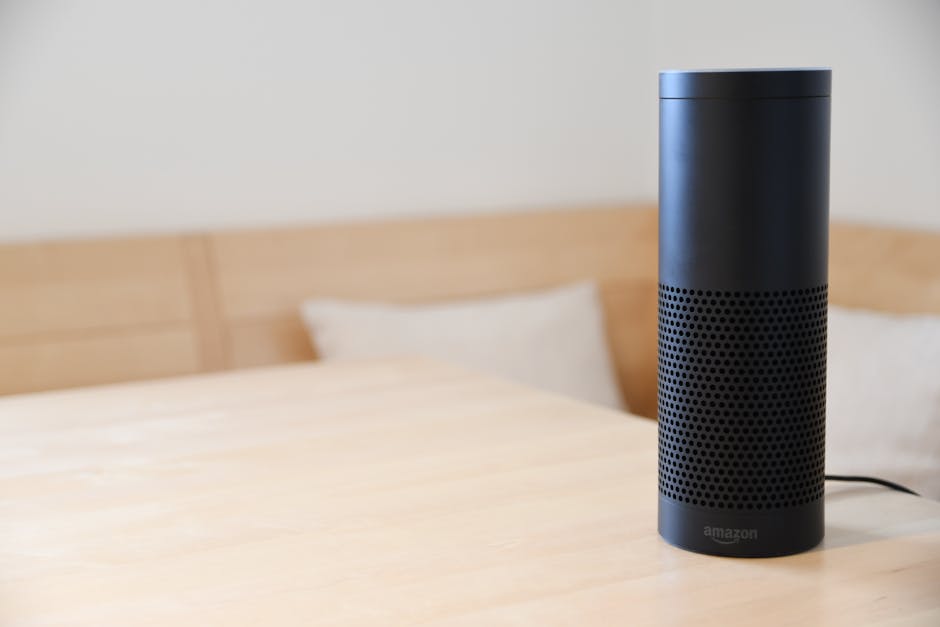
| Amazon Alexa | Alexa+ (free with Prime; $19.99/mo without) | Echo Dot, often on sale under $50 | Broadest third-party support, period | Cloud processing by default; the good AI is paywalled without Prime |
| Google Home | Gemini for Home (replaced Google Assistant) | New Google Home Speaker, $99.99; older Nest Minis still work | Excellent, deepest with Nest cameras/doorbells | Advanced Gemini features sit behind the Home Premium subscription |
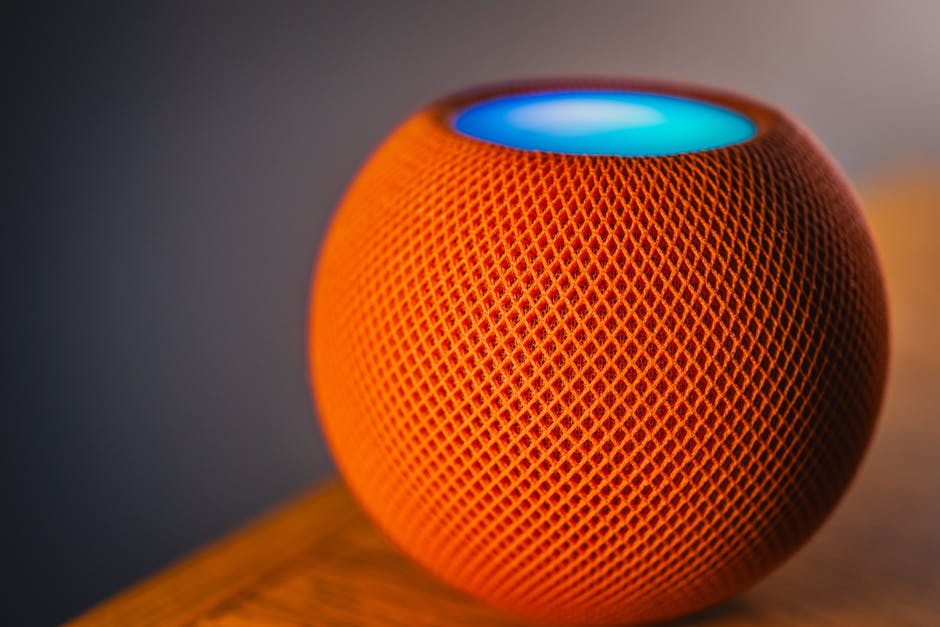
| Apple Home | Siri (on-device processing where possible) | HomePod mini around $99, or an Apple TV as hub | Smallest catalog, but Matter keeps closing the gap | Genuinely useful only inside an iPhone household |
What Changed in 2026: New AI Assistants
Two dates matter. On February 4, 2026, Amazon opened Alexa+ — its generative-AI assistant — to everyone in the US: included free with Prime, $19.99 a month without it. That “free” deserves a caveat: it’s free on top of a Prime membership that runs $139/year, so it’s really a bundled perk, not a gift.
Google went further and retired Google Assistant outright. Gemini for Home now runs on Nest speakers and displays going back years, and Google shipped a rebuilt Google Home Speaker at $99.99 in late June 2026. Some of Gemini’s conversational features are gated behind the Google Home Premium subscription, so check which tier a feature needs before it sways your decision.
Apple moved slower. Siri improved incrementally, and Apple’s pitch remains what it was: more on-device processing, HomeKit Secure Video, and tight iPhone integration rather than a headline AI relaunch.
Alexa: Best Value if You Have Prime
Who it’s for: households already paying for Prime, and anyone who wants the widest possible device compatibility. If a smart plug, bulb, or obscure gadget exists, it almost certainly works with Alexa.
The concrete detail worth knowing: because Alexa+ is bundled with Prime, an Echo Dot on sale is the cheapest way in 2026 to get a current-generation AI assistant running your home. Non-Prime users face that $19.99/month rate, which is more than Prime itself costs monthly — at that point just get Prime.
The limitation is privacy posture. Voice requests are processed in the cloud by default, and Amazon’s business model is built on knowing what you buy and ask. If that sentence made you wince, skip ahead to Apple.
Google Home: Gemini Took Over
Who it’s for: Android users, Nest camera owners, and anyone who talks to their assistant in full sentences instead of memorized commands. Gemini for Home is noticeably better than the old Assistant at parsing vague requests — “make it feel cozier in here” territory.
A practical upside: Gemini rolled out to existing Nest speakers, not just new hardware. If you own a Nest Mini from years back, you likely got the upgrade without spending anything. The new $99.99 Home Speaker is nicer, but it’s optional.
The catch is the subscription creep. Google reserves some Gemini Live conversational features for Home Premium subscribers, and Google’s history of renaming and repackaging its subscriptions means today’s tier structure may not be next year’s. Don’t buy hardware based on a feature that lives behind a paywall you haven’t priced.
Apple Home: Privacy First, Catalog Second
Who it’s for: iPhone households where privacy outranks device selection. HomeKit Secure Video analyzes camera footage on your own hub hardware rather than in the cloud, which remains the strongest privacy story of the three.
The dealbreaker hasn’t changed: outside an Apple household, Apple Home barely functions. There’s no Android app. If even one primary member of your home carries Android, this platform creates friction daily.
Honestly, the catalog complaint matters less than it used to. Matter certification lets most new mainstream devices join Apple Home even when the box doesn’t mention HomeKit. Older and budget gear is where you’ll still hit walls.
Matter and the Lock-In Question
A Matter-certified device pairs with Alexa, Google Home, and Apple Home alike, which means the hardware half of lock-in is mostly solved. The software half isn’t. Your automations, scenes, and routines live in the platform’s app and do not export. Switch hubs and you rebuild every automation by hand — for a heavily automated home, that’s an evening or two of work, not five minutes.
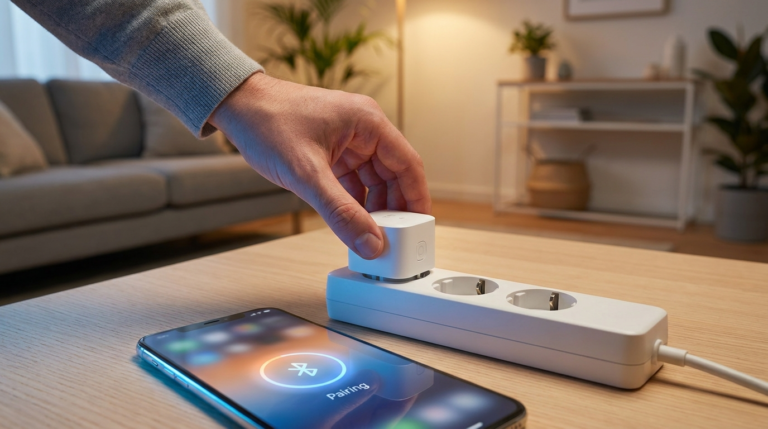
Running two ecosystems side by side is more common than the “pick one” framing admits. An Echo for music and shopping lists, Apple Home for locks and cameras — that split shows up constantly in mixed-phone households, and Matter devices can genuinely serve both hubs at once. Our Matter setup guide covers pairing the same device to multiple platforms.
What Trips People Up
- Assuming Matter means identical features. The protocol is shared; the automation engines aren’t. Apple’s automation editor is still more restrictive for conditional logic than Google’s. Test one device before buying ten.
- Buying non-Matter budget gear. That $12 no-name plug tied to its own Chinese cloud app will never follow you anywhere. The savings aren’t worth it in 2026.
- Subscription surprise. All three platforms now have paid tiers (Prime for Alexa+, Home Premium for Gemini extras, iCloud+ for HomeKit Secure Video recording). Price the subscription you’ll actually need — not just the speaker.
- Ignoring the household’s phones. The hub you love is the one everyone else has to live with. A shared home needs the platform the least technical person can operate.
Decide Tonight, Not Next Week
- ✅ Everyone in the house on iPhone, and privacy matters? Apple Home. Done.
- ✅ Already have Prime? Alexa. You’re paying for Alexa+ anyway.
- ✅ Android household or heavy Nest camera user? Google Home.
- ✅ Mixed phones? Buy Matter-certified devices only, and consider running two hubs deliberately.
- ✅ Whatever you pick: buy one hub speaker and 2-3 devices first. Live with it for a month before committing the whole house.
FAQ
Is Alexa+ worth $19.99/month without Prime?
No — monthly Prime costs less and includes it. If you refuse both, the free limited Alexa tier still handles basic smart home commands; you mainly lose the conversational AI layer.
Did Gemini for Home break old Google/Nest speakers?
The opposite: it rolled out to speakers and displays going back years as a software update. Some owners report differences in how routines trigger, so re-test your automations after the switch.
Can I run two smart home ecosystems at once?
Yes, and with Matter devices it’s practical — the same plug or bulb can answer to both Alexa and Apple Home simultaneously. Keep automations on one platform to avoid conflicting triggers.
Sources & Further Reading
- Amazon — Alexa+ Available to Everyone in the US, Free for Prime
- Google — Gemini for Home Voice Assistant (Official Help)
- Google Store — Google Home Speaker with Gemini
- Apple — Home App and HomeKit Overview
- Connectivity Standards Alliance — Matter Standard
Fact-checked against public sources as of August 6, 2026 — 5 sources referenced above. Subscription pricing and feature tiers change often on all three platforms; confirm current rates before buying.