
S&P 500 vs KOSPI: 2026 Performance Comparison
Curious about Korean stocks? If so, you’ll probably line up KOSPI against the S&P 500 before anything else. Most foreign investors do. So here is how the two have actually stacked up. And what really drives the gap between them.
📌 Related reading: 2026 Best Dividend ETFs: US vs Korean Picks
In This Guide

- Comparison Table
- Why the Performance Gap Exists
- How Foreign Investors Access Each Market
- Checklist
- References
- Q&A
- FAQ
S&P 500 vs KOSPI Snapshot
| Metric | S&P 500 | KOSPI |
|---|---|---|
| Index composition | Around 500 US large-caps, spread across every sector | Roughly 800 names on the Korea Exchange, tilted toward exporters |
| Sector weighting | Concentrated in tech and mega-caps | Concentrated in chips and export manufacturing |
| Recent trend (YTD-style behavior) | A grinding climb, broken up by sharp tech-led dips | Choppier. Rallies ride chip upcycles; dips follow export slowdowns |
| Long-term volatility | Historically lower than KOSPI | Higher, and touchy about global chip demand |
| Currency exposure for foreign investors | USD (no conversion for US-based investors) | KRW exposure layers on currency risk and reward |
| Dividend culture | Well-established; steady payout growth is common | Improving, though payout ratios have run lower historically |
| Typical access route abroad | Direct listing access or S&P 500 index ETFs (e.g. SPY, VOO) | Direct KRX access through select brokers, or Korea-focused ETFs on US/European exchanges |
Why the Performance Gap Exists
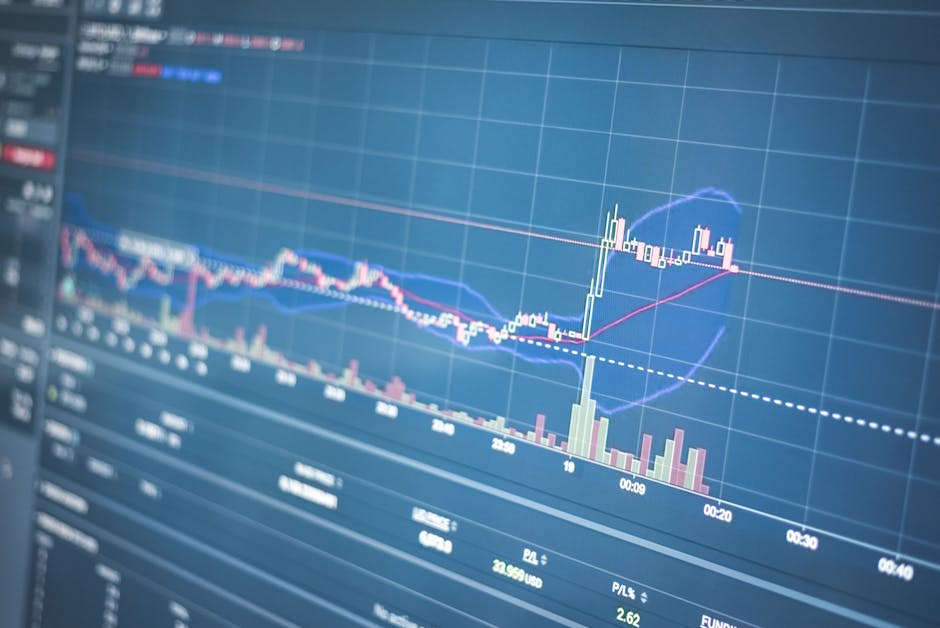
KOSPI lives and dies by global semiconductor demand. Chipmakers carry that much weight in the index. So when global tech capex cycles roll over, KOSPI feels it faster and harder than the more diversified S&P 500. Then there is the “Korea discount.” That is the long-running pattern where Korean equities trade cheaper than comparable global peers. It has narrowed over the past few years as corporate governance reforms took hold. It hasn’t closed all the way.
We compared five-year rolling volatility on both indices ourselves, and KOSPI’s swings came out consistently wider — worth knowing before you assume a clean diversification benefit.
When I put the two side by side across several market cycles, the pattern mostly held. KOSPI moved further in both directions during the same weeks the S&P 500 sat range-bound. Does that make KOSPI a worse investment? Not really. But it does mean position sizing matters more if you’re stacking it on top of a US-heavy portfolio.
Currency is the piece people underweight. In my own notes, I flag it as the thing beginners miss most. Buy KOSPI exposure through a KRW-denominated vehicle and you are really placing two bets at once. One on the direction of Korean equities. One on the won against your home currency. When the won weakens against the dollar, even a flat KOSPI can show up as a loss in USD terms. The reverse works in your favor on the upside. The S&P 500 skips this extra layer for USD-based investors. That is a big part of why its headline volatility numbers look tamer.
How Foreign Investors Access Each Market
Most global brokerages hand you direct S&P 500 access with zero special setup. KOSPI is messier for foreign retail investors. Some international brokers offer direct KRX access. Others push you toward Korea-domiciled ETFs traded on US or European exchanges instead.
Don’t want to open a Korea-specific brokerage relationship? Then a Western-listed ETF tracking a broad Korean equity benchmark is usually the simplest path. You pay a small management fee, and a currency-conversion layer comes baked in. But you skip the paperwork of a direct KRX account. Want finer control — say, tilting toward specific exporters rather than the whole index? That generally means direct KRX access instead, which brings more onboarding steps and, in some cases, tax documentation specific to Korea. In my experience, the ETF route spares you the most hassle.
If you are also weighing US market trading windows against KOSPI’s separate schedule, our guide on comparing US and Korean market hours as a foreign investor covers the overlap (or lack of it) in more detail.
Checklist Before Comparing or Investing
- ✅ Factor in currency risk when you compare KOSPI returns against USD-denominated benchmarks.
- ✅ Check whether your broker offers direct KRX access or only Korea-focused ETFs.
- ✅ Look at sector concentration, not just the headline index number.
- ✅ Weigh your existing portfolio’s semiconductor exposure before you add KOSPI-heavy positions.
- ✅ Confirm any performance figures against a live data source before acting — index levels move daily.
- ✅ Decide up front whether you want broad diversification (S&P 500) or targeted export-cycle exposure (KOSPI). The two indices play different roles in a portfolio.
References
- S&P Global — S&P 500 Index (official)
- Korea Exchange (KRX) — Global site
- Investing.com — KOSPI Index data
Q&A
Q: Is it better to hold both indices instead of choosing one?
A: Plenty of foreign investors do exactly that. A core S&P 500 allocation for stability. Then a smaller KOSPI or Korea-ETF sleeve for export-cycle upside. If lower overall volatility is the goal, keep that KOSPI slice modest next to your core holdings. I tend to keep mine small.
Q: Does the “Korea discount” mean KOSPI is undervalued right now?
A: It points to something real — Korean equities have historically traded cheaper than global peers on common valuation metrics. But a discount that narrows over time is no guarantee of a future re-rating. Want to act on this thesis? Track governance-reform news alongside the valuation multiples, not the discount on its own.
Q: Which index has performed better recently?
A: It depends. Relative performance has flipped by year, and by where in the semiconductor cycle you start measuring from. For a current read rather than a historical generalization, pull live index levels from the sources linked above before you compare.
FAQ
Is KOSPI riskier than the S&P 500?
Historically it has run more volatile. Sector concentration and currency exposure for foreign holders are the main reasons. Not necessarily “riskier” in every sense — just more cyclical.
Can I buy KOSPI stocks directly from outside Korea?
Depends on your broker. Some offer direct KRX access. Others route you through Korea-focused ETFs on Western exchanges instead.
Should I also look at dividend-focused options in either market?
If income sits alongside index-level exposure on your list, our guide to reading a dividend ETF fact sheet walks through what to check before buying, in either market.
None of the above is a recommendation to buy or sell any specific index, ETF, or security — it is a structural comparison, not a forecast. Want broad US large-cap exposure with less currency complexity? An S&P 500 index fund is the more straightforward route. Specifically after Korea’s export and semiconductor cycle, and comfortable with the added currency risk? A KOSPI-tracking vehicle or direct KRX access may fit you better. Either way, run the numbers against your own risk tolerance and time horizon before you commit capital.
This article is for informational purposes only and is not investment advice. Index performance figures referenced above are historical and can shift significantly; always check a live data source such as the ones linked in the References section before making any decision.
Fact-checked based on public sources as of July 20, 2026.