Jupiter Physical Card: What Ordering One Really Costs
The Jupiter physical card costs $13.13 plus shipping. Worked totals for tracked and untracked shipping, the $1,500 discount rule, cashback payback and ATM fees by issuer.

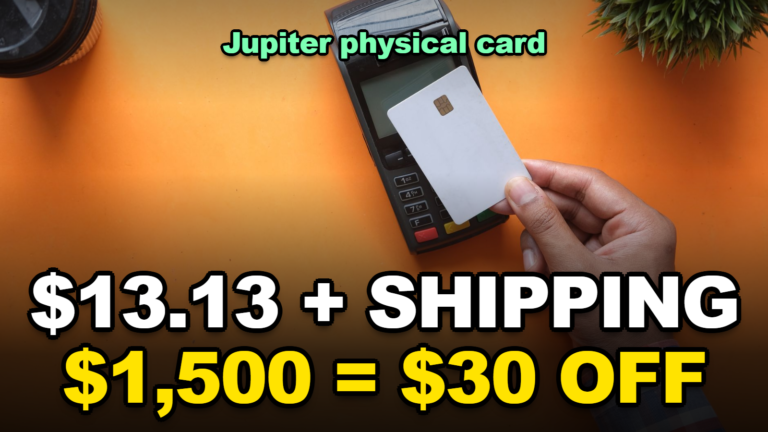
The Jupiter physical card costs $13.13 plus shipping. Worked totals for tracked and untracked shipping, the $1,500 discount rule, cashback payback and ATM fees by issuer.

Short answer: A whale’s position tells you direction, not size. If you copy it late and at higher leverage, your liquidation price can sit above the whale’s own entry. In the worked example, a 40x copy opened 1.5% higher is liquidated about 1.27% lower. A small dip back to the whale’s price is enough. Size…

Short answer: In the US, paying with crypto counts as disposing of it. Each card purchase funded by crypto can create a gain or loss. With USDT the amounts are usually cents. With ETH or BTC they can be hundreds of dollars on the same $1,000 of shopping. Which tax lot you use matters as…

Short answer: A TradingView backtest charges no commission unless you set it. That can hide the whole result. In the worked example below, 300 hypothetical trades show +$600 at zero fees. The same trades at Bybit’s list taker fee, plus 0.02% slippage per fill, come out at -$300. Enter your real per-fill fee and a…

Short answer: You cancel DashPass under Manage DashPass in the app or on doordash.com. Do it at least one day before the renewal date. In the US the fee is normally not refunded, but your benefits run to the end of the period you paid for. A refund is possible in the first 48 hours…

Short answer: On a card with a monthly cashback cap, the month a big purchase lands in can matter more than the card. In the example below, a $1,500 purchase earns $12.50 on ether.fi Cash Core in a month where you’ve already spent $2,000. Move it to a quiet month and it earns $45.00. On…

Short answer: Treat a demo profit as a before-fees number until you prove otherwise. In the worked example below, a +$150.00 demo record over 40 round trips keeps +$90.00 at Bitget’s effective taker rate on the FuturesAI table. At Binance’s rate it becomes −$30.00. Add a modest slippage allowance and only the two cheapest rows…
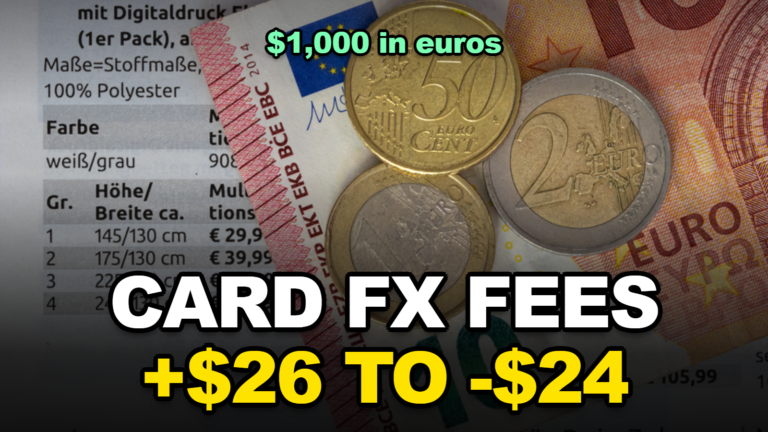
Short answer: On $1,000 of euro spending, the free tiers of four crypto cards land between about +$26.00 and −$24.18 once FX fees and cashback are netted. ether.fi Cash charges no FX markup on euro purchases. Jupiter’s 2% cashback beats its own FX fee. Bybit’s Asia Pacific card loses the most, because its cashback stops…
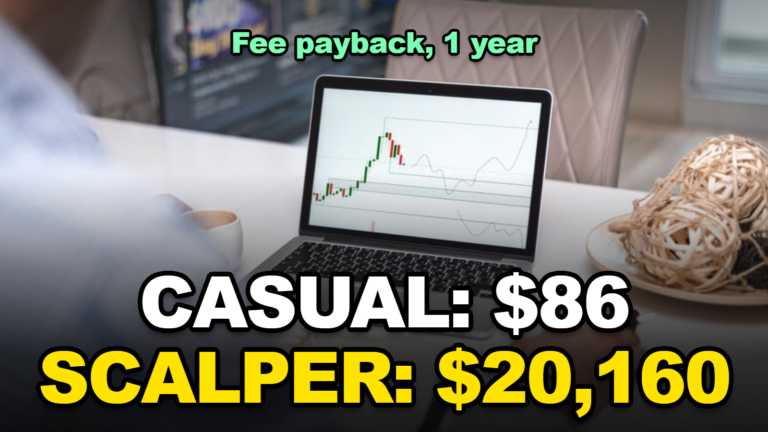
Short answer: Fee payback is worth what your trading style makes it worth. A casual trader doing four small market-order round trips a month keeps about $86.40 a year at the best rate on the FuturesAI table. A scalper doing 400 a month keeps about $20,160. The exchange you pick matters more than the payback…

Short answer: Replacing a USDT card costs from $0 to over $100, depending on the issuer and on whether the card is virtual or physical. Bybit lists no fee for virtual cards. RedotPay charges $5 for the first virtual replacement and $10 after that. A lost physical card is the expensive case. Freeze the card…