Bybit US Stocks: Zero Commission, but Who Holds Them?
Short answer: Since October 12, 2026, eligible Bybit users can buy more than 1,000 US stocks and ETFs with USDC and pay no trading commission. The shares are real securities, not perpetual contracts. Alpaca executes the orders and holds the shares. Voting rights are not live yet. Zero commission is not the same as zero cost, so check the terms before moving money.
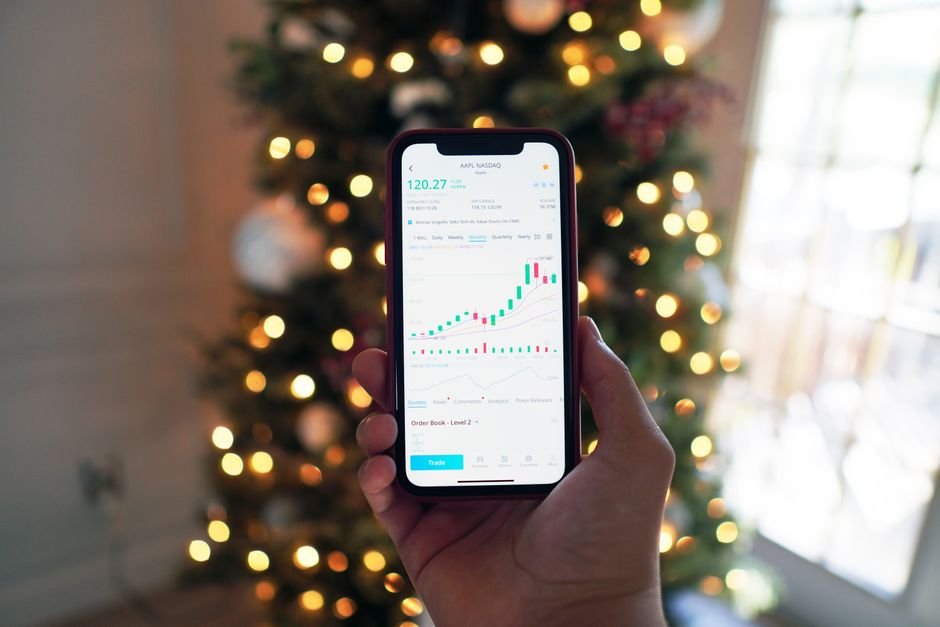
Bybit is an exchange most people know for perpetual futures. As of this month, you can also buy Apple shares on it.
The launch is easy to misread. It is not another synthetic stock contract. It is a brokerage product bolted onto a crypto account, and the fine print explains who is actually on the other end of your trade.
Jump to a Section
- What did Bybit launch on October 12, 2026?
- Who actually holds the shares you buy?
- How is this different from stock perps and tokenized stocks?
- Is zero commission really zero cost?
- What do you get as a shareholder?
- What should you check before you buy?
- Tips
- Warnings
- FAQ
- Sources
What did Bybit launch on October 12, 2026?
On October 12, 2026, Bybit began offering eligible users in permitted jurisdictions more than 1,000 US-listed stocks and ETFs, including Apple, NVIDIA, Tesla, Micron and the Invesco QQQ ETF, bought with USDC, according to Bybit’s press release.
Key launch features, in Bybit’s words or close to them:
- Fractional shares on eligible securities
- 24/5 trading across US pre-market, regular and after-hours sessions, subject to product availability
- Zero commission on eligible stock purchases and sales
- Cash dividends credited in USDC, stock dividends and splits reflected in your position
You need to have finished KYC, and Bybit does not say in the release which jurisdictions count as permitted. That gap matters. Check your own country before you get excited.
Who actually holds the shares you buy?
Alpaca Securities LLC, a US self-clearing broker-dealer and FINRA/SIPC member, executes Bybit Stocks orders and holds the underlying securities in custody, per Bybit’s October 12, 2026 disclosure.
The same disclosure says the service itself is provided by Infra Capital Limited, an introducing broker regulated by the Financial Services Commission of Mauritius. So there are three parties in the chain: Bybit as the interface, Infra Capital as the introducing broker, and Alpaca as the clearing and custody firm.
When I checked the disclaimer, I found that access and ownership are “subject to the Bybit Stocks Terms & Conditions” and that some corporate actions may be restricted at this time. Those terms are where the real answers live.
SIPC membership matters, but only so far. SIPC covers the loss of securities and cash when a member brokerage fails, not losses from the market falling, as explained on SIPC’s website. Whether your account qualifies is a question for the terms.

How is this different from stock perps and tokenized stocks?
Bybit Stocks gives eligible users an economic interest in the underlying securities, while stock perpetuals and CFDs track a price with no ownership, according to Bybit’s own press release.
| Product on Bybit | What you hold | Funding | Dividends |
|---|---|---|---|
| Bybit Stocks (new) | Economic interest in the real security | USDC | Cash paid in USDC; stock dividends in position |
| TradFi perpetuals | A derivative tracking a price | Margin | Not shareholder dividends |
| Stock CFDs on TradFi | A contract for difference | Margin | Not ownership |
Compiled from Bybit’s October 12, 2026 press release. The release lists tokenized equities and MT5 access as separate products without detailing their terms.
The practical difference shows up on a bad day. A perp can be liquidated when your margin runs out. A share you bought outright and hold in full cannot be liquidated by a funding rate. I covered how stock perps behave after hours in Why Your Stock Perp Moves When the Stock Market Is Closed.
Is zero commission really zero cost?
No. Bybit says it charges no trading commission on eligible stock purchases and sales, but the release says nothing about spreads, USDC conversion costs or other fees, so total cost is not stated.
Honestly, that is the part to test with a small order. Three places a “free” trade can still cost you:
- The spread. The gap between the buy and sell price is paid on every trade, commission or not.
- Currency conversion. You fund purchases in USDC while stocks are priced in USD. Check whether USD to USDC is exactly 1:1 on your screen at the moment you trade.
- After-hours pricing. Thin pre-market and after-hours books can move prices more than the regular session.
If you’ve ever bought a “commission-free” stock and seen it fill a few cents off the quote, you know what I mean.
What do you get as a shareholder?
Bybit Stocks holders can receive cash and stock dividends and have stock splits applied to their positions, but voting rights are only planned for a future phase, per Bybit’s announcement.
Cash dividends are converted from USD to USDC and credited to your Unified Trading Account. That conversion is another place to look at the actual rate you receive.
I noticed that the release also says “subject to applicable security and corporate-action terms.” Translation: some actions, such as rights offerings or spin-offs, may not be supported at all.
What should you check before you buy?
Before buying US stocks on Bybit, confirm your country is eligible, read the Bybit Stocks Terms and Conditions and Risk Disclosures, and place one small test trade to see the real fill price.
- Eligibility. Look for your country in the Bybit Stocks terms, not in a headline.
- Terms and Conditions. Search for custody, insolvency and corporate-action language.
- Tax reporting. Ask how you will get a statement for your own tax return. The release does not say.
- Test trade. Buy a small amount of a liquid ETF during regular hours and compare the fill to the quote.
- Exit. Confirm how sales settle and where the cash lands.
Tips
- Compare against a regular brokerage that offers fractional shares if you live in a supported country. Lower friction may beat convenience.
- Keep stock holdings and perpetual margin in clearly separate mental buckets.
- Try a broad ETF first. It tests the product with less single-stock noise.
- Save a copy of the terms on the day you sign up.
Warnings
- This is not investment advice. Bybit’s own disclaimer says capital is at risk and you may get back less than you invested.
- Not available in every country, and the list of permitted jurisdictions is not published in the release.
- Voting rights are not live yet, and some corporate actions may be restricted.
- Details are as of October 19, 2026 and can change.
FAQ
Does Bybit charge commission on US stocks?
Not on eligible stock purchases and sales, according to Bybit’s October 12, 2026 announcement. The announcement does not describe spreads or other charges, so check the terms for the full cost.
Can I trade US stocks on Bybit outside regular market hours?
Yes, subject to product availability. Bybit says Stocks trading runs 24/5, covering US pre-market, regular and after-hours sessions.
Are Bybit Stocks the same as tokenized stocks?
No. Bybit describes Stocks as an economic interest in the underlying securities, executed through Alpaca. It lists tokenized equities and TradFi perpetuals as separate products.
Sources
- Bybit Press — Bybit Supports Stocks Trading (October 12, 2026)
- SIPC — Securities Investor Protection Corporation
🔗 Related guides
Fact-checked against Bybit’s October 12, 2026 press release. Investing involves risk and this is not investment advice. Terms and availability may change after publication.